Have you ever considered what keeps aircraft flying safely? Modern aviation depends on specialized manufacturing. Aerospace grade casting makes flight possible.This process creates crucial aircraft components. It demands extreme precision and quality. Every part must withstand incredible stress.Aerospace casting affects aircraft performance directly. It ensures reliability in extreme conditions. Safety standards depend on proper manufacturing.Our guide explains aerospace grade casting thoroughly. You will learn about materials and processes. We cover applications and quality requirements.
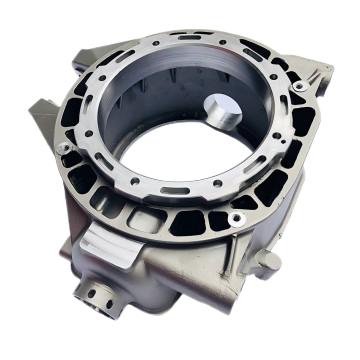
Understanding Aerospace Grade Casting: Basic Definition
What Makes Casting "Aerospace Grade"?
Aerospace casting meets extreme standards. It requires exceptional precision and quality. These components handle incredible stress daily.
Commercial casting differs significantly. Aerospace standards are much stricter. Precision affects aircraft safety directly.
Every aviation component must perform perfectly. Even small defects cause big problems. Quality cannot be compromised ever.
The Evolution of Aerospace Casting Technology
Manufacturing methods evolved greatly over time. Early aviation used simpler techniques. Modern demands require advanced solutions.
Technology improved dramatically in recent decades. New materials enabled better performance. Production methods became more precise.
Current standards demand absolute reliability. Industry requirements continue increasing. Manufacturers must adapt constantly.
The Aerospace Casting Manufacturing Process
Investment Casting: The Preferred Method
Step-by-Step Process Breakdown
Workers create wax patterns first. They inject wax into metal dies. Each pattern matches the final product exactly.
Ceramic shells form around wax patterns. Multiple dipping cycles build thickness. The shell becomes strong and precise.
Dewaxing removes the wax interior. Molten metal fills the empty shell. Cooling happens under controlled conditions.
Final steps include shell removal. Quality control checks every component. Finishing touches complete the process.
Why Investment Casting Dominates Aerospace
This method creates complex geometries easily. It produces near-net-shape parts efficiently. Material waste reduces significantly.
Precision remains consistently high. Repeatability ensures reliable results. Aerospace applications benefit greatly.
Alternative Casting Methods in Aerospace
Other techniques serve specific needs. Each method has unique advantages. Some work better for certain applications.
Limitations exist for every approach. Manufacturers choose methods carefully. Application requirements guide selection.
Key Materials Used in Aerospace Grade Casting
High-Performance Alloys for Extreme Conditions
Nickel-Based Alloys
These alloys resist heat excellently. Corrosion cannot damage them easily. Turbine components use them extensively.
Inconel Series Alloys
Inconel handles extreme temperatures perfectly. Specialized variants offer unique benefits. Critical systems depend on them.
Aluminum Alloys for Aerospace
Aluminum provides great strength-to-weight ratio. It offers cost-effective solutions. Both military and commercial planes use it.
Material Selection Criteria for Aerospace Components
Temperature resistance is crucial always. Strength requirements are very high. Durability must be exceptional.
Corrosion factors matter greatly. Environmental conditions affect material choice. Weight optimization is essential.
Critical Applications of Aerospace Grade Casting
Turbine Engine Components
Airfoil castings manage airflow optimally. Turbine blades withstand extreme forces. Rotating components handle high stress.
Structural Airframe Parts
Load-bearing structures support the aircraft. Wing components experience constant stress. Fuselage parts maintain structural integrity.
Landing gear handles immense impact forces. These components must be absolutely reliable. Safety depends on their performance.
Systems and Subassemblies
Fuel System Components
Fuel nozzles require precise dimensions. Pump impellers move fuel efficiently. Flow control elements manage distribution.
Exhaust and Combustion Systems
Heat-resistant materials are essential here. Combustion chambers face extreme temperatures. Thermal management is critical.
Control and Hydraulic Systems
Landing gear components need perfect reliability. Flight control mechanisms require precision. Hydraulic parts handle high pressure.
Advantages of Aerospace Investment Casting
Precision and Complexity Benefits
Intricate designs become possible. Tight tolerances are achievable consistently. Complex internal features form perfectly.
Performance and Reliability Advantages
Mechanical properties exceed requirements. Quality assurance processes ensure consistency. Long-term reliability is proven.
Economic and Efficiency Benefits
Material waste reduces dramatically. Machining needs minimize significantly. Production scales cost-effectively.
Quality Standards and Certifications in Aerospace Casting
Industry Regulatory Requirements
AS9100 certification is essential. ISO 9001 compliance is mandatory. Aviation authorities set strict rules.
Quality Control Processes
Non-destructive testing finds hidden defects. Dimensional verification ensures accuracy. Material certification provides guarantees.
Traceability and Documentation
Lot tracking follows every component. Comprehensive documentation records everything. Regulatory compliance requires full evidence.
Advanced Technologies in Modern Aerospace Casting
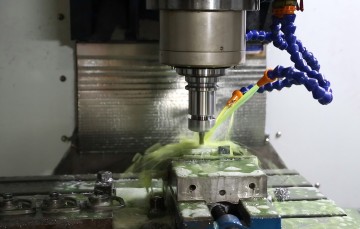
Digital Manufacturing Innovations
Solidification Modeling
Computers simulate the casting process. They predict potential defects early. Process optimization improves results.
CAD/CAM Integration
Digital designs flow to production seamlessly. Rapid prototyping accelerates development. Design validation happens efficiently.
Material Science Advancements
New alloys offer better performance. Enhanced characteristics meet new challenges. Future trends point to innovation.
Process Optimization Technologies
Automated systems increase consistency. Real-time monitoring detects issues immediately. Data analytics drive quality improvement.
Choosing an Aerospace Casting Manufacturer
Key Selection Criteria
Industry experience matters greatly. Technical capabilities determine possibilities. Quality certifications are non-negotiable.
Engineering support makes difference. The right partner like Zeren Aerospace Casting Manufacturer understands needs. They deliver solutions effectively.
Aerospace Casting Consulting Services
Design optimization improves performance. Material selection guidance prevents problems. Process consulting enhances efficiency.
Cost reduction strategies help budgets. Expert advice adds significant value. Professional support ensures success.
Manufacturing Partnership Benefits
Long-term collaboration builds understanding. Technical expertise becomes accessible. Production scalability provides flexibility.
Continuous improvement maintains competitiveness. Good partnerships create mutual success. Reliability builds over time.
Design Considerations for Aerospace Castings
Engineering Design Principles
Stress analysis predicts performance. Load calculations ensure safety. Thermal expansion affects fit.
Vibration resistance is crucial. Fatigue life determines longevity. Weight optimization saves fuel.
Manufacturing Design Guidelines
Draft angles facilitate mold release. Wall thickness affects strength. Feature placement considers accessibility.
Machining allowance compensates for variations. Assembly interfaces must match perfectly. Design for manufacturing simplifies production.
Cost Optimization in Design
Manufacturability affects price significantly. Material choice impacts budget. Production volume influences costs.
Lifecycle analysis considers long-term value. Smart design reduces expenses. Efficiency improvements save money.
Testing and Validation of Aerospace Castings
Non-Destructive Testing Methods
X-ray inspection reveals internal flaws. Ultrasonic testing checks integrity. Dye penetrant finds surface defects.
Magnetic particle inspection detects cracks. Every method serves specific purposes. Comprehensive testing ensures quality.
Mechanical Property Testing
Tensile testing measures strength. Yield strength determines load capacity. Fatigue testing simulates long-term use.
Creep testing evaluates high-temperature performance. Impact resistance matters for safety. Hardness testing checks wear resistance.
Microstructure analysis examines material quality. All tests verify component reliability. Standards require thorough validation.
Performance Validation
Environmental testing simulates conditions. Operational testing proves functionality. Service life predictions guide maintenance.
Failure analysis improves future designs. Validation ensures real-world performance. Safety depends on proper testing.
Industry Trends and Future Developments
Emerging Technologies
Additive manufacturing offers new possibilities. Advanced simulation improves accuracy. Smart manufacturing increases efficiency.
Sustainable methods reduce environmental impact. Technology continues evolving rapidly. Innovation drives progress forward.
Market Evolution
Performance demands keep increasing. Global supply chains become more complex. Regulations change frequently.
Competition pushes improvement constantly. Markets demand better solutions. Adaptation is necessary for survival.
Innovation Opportunities
New applications emerge regularly. Material science creates breakthroughs. Process efficiency improves continuously.
Cost reduction remains important always. Innovation addresses industry challenges. Progress never stops.
Conclusion: The Future of Aerospace Grade Casting
Aerospace casting enables modern flight. It creates strong, precise components. These parts handle extreme conditions safely.
The industry continues growing rapidly. New technologies improve manufacturing. Demand for quality castings increases.
Choose experienced manufacturers carefully. Verify their certifications and capabilities. Ensure they meet aerospace standards.
Next Steps: Partnering for Aerospace Success
ZR Investment Casting offers expert services. We provide comprehensive casting solutions. Our team ensures quality results.
Request a consultation today. Discuss your specific project needs. Receive accurate quotes promptly.
Our engineers support your projects. We guarantee strict quality control. Partner with us for success.
Frequently Asked Questions (FAQ)
Q: What makes aerospace casting different from regular casting?
A: Aerospace casting requires extreme precision and quality. Materials must withstand high stress and temperatures. Every component undergoes rigorous testing protocols.
Q: How long does the aerospace casting process typically take?
A: The process duration varies by complexity. Simple components take several weeks. Complex parts may require months for completion.
Q: What are the most common materials used in aerospace casting?
A: Nickel-based alloys handle extreme heat best. Aluminum offers excellent weight-to-strength ratio. Inconel variants serve specialized high-temperature applications.
Q: How do you ensure quality in aerospace castings?
A: We implement strict quality control processes. All castings meet AS9100 and ISO 9001 standards. Continuous testing occurs throughout production.
Q: Can aerospace castings be used for prototype development?
A: Yes, investment casting works perfectly for prototypes. It allows design validation before full production. Rapid prototyping services are available.


