微信图片_20250303172844
Home Capabilities Heat Treatment Services for Investment Cast and CNC Machined Parts
Heat Treatment Services for Investment Cast and CNC Machined Parts
Heat treatment is an important step for improving the mechanical performance of investment cast and CNC machined metal parts. By controlling heating, holding and cooling conditions, we help optimize hardness, strength, toughness, wear resistance and dimensional stability based on your drawing requirements and application environment.

At Zeren, heat treatment can be coordinated with investment casting, CNC machining, surface finishing and final inspection, helping customers receive parts that meet both dimensional and performance requirements.
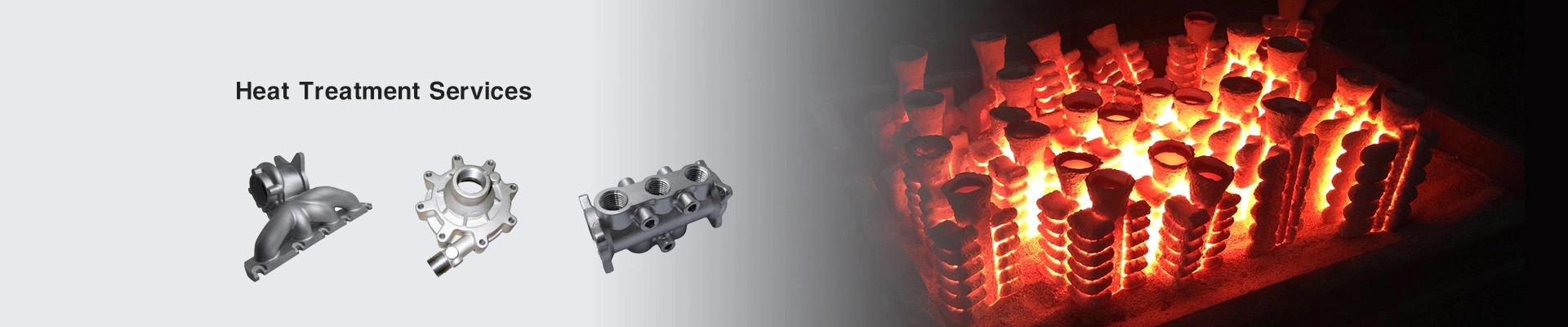
Heat treatment furnace with investment cast and CNC machined metal parts prepared for improved hardness and strength
Why Heat Treatment Matters After Casting and Machining

Investment casting can produce complex metal parts with good shape accuracy, but many components still require heat treatment to achieve the required mechanical properties. For carbon steel, alloy steel and some stainless steel parts, heat treatment can improve hardness, tensile strength, toughness, fatigue resistance and wear performance.


Heat treatment is also important for controlling internal stress. Depending on the part structure and machining requirements, the process may be arranged before CNC machining, after rough machining, or after final machining. Proper sequencing helps reduce deformation risk and supports more stable dimensional control.

Heat treated investment cast and CNC machined parts with hardness testing equipment for strength and wear resistance verification
Improve Hardness and Strength
Suitable heat treatment helps parts meet drawing requirements for hardness, strength and load-bearing performance.
Improve Wear Resistance
Quenching, tempering, carburizing or nitriding can improve surface or overall wear resistance for moving and contact parts.
Relieve Internal Stress
Annealing or stress relieving can reduce residual stress from casting, cooling or machining.
Support Dimensional Stability
A controlled process helps reduce distortion risk before or after CNC machining.
Common Heat Treatment Processes We Support

Different materials and applications require different heat treatment methods. Based on your material grade, drawing requirements and working conditions, we can help select or coordinate suitable processes such as annealing, normalizing, quenching, tempering, carburizing and nitriding.

Annealing
Used to soften material, improve machinability and relieve internal stress before further machining or forming.
Normalizing
Used to refine grain structure, improve uniformity and support more stable mechanical properties.
Quenching
Used to increase hardness and strength through rapid cooling after heating.
Tempering
Usually performed after quenching to reduce brittleness and balance hardness with toughness.
Carburizing
Used to create a hard, wear-resistant surface layer while maintaining a tougher core.
Nitriding
Used to improve surface hardness, wear resistance and fatigue performance with relatively low distortion risk.
Heat Treatment Process Comparison
ProcessMain PurposeTypical BenefitCommon Use
AnnealingStress relief / softeningBetter machinabilityCast or machined parts before further processing
NormalizingGrain refinementMore uniform propertiesCarbon steel and alloy steel parts
QuenchingHardeningHigher hardness and strengthWear or load-bearing parts
TemperingToughness adjustmentReduced brittlenessAfter quenching
CarburizingSurface hardeningHard surface + tough coreGears, shafts, wear parts
NitridingSurface hardeningWear and fatigue resistancePrecision parts with lower distortion needs
Materials Suitable for Heat Treatment

Heat treatment response depends strongly on material grade, carbon content, alloying elements and part geometry. We commonly support heat treatment planning for carbon steel, alloy steel, stainless steel and selected wear-resistant or heat-resistant steel castings.


For each project, material selection and heat treatment requirements should be reviewed together with the drawing, working environment and required hardness or mechanical properties.

heat-treatment-materials-cast-steel-parts.jpg
Carbon Steel
Often heat treated to improve strength, hardness, toughness and wear resistance for structural or mechanical parts.
Alloy Steel
Suitable for applications requiring higher strength, impact resistance, fatigue performance or controlled hardness.
Stainless Steel
Some stainless steel grades may require solution treatment, aging or stress relief depending on grade and application.
Heat-Resistant / Wear-Resistant Steel
Used for parts exposed to abrasion, elevated temperature or demanding industrial working conditions.
Typical Heat-Treated Components We Produce

Heat treatment is commonly used for cast and machined parts that require improved strength, hardness, impact resistance, fatigue performance or wear resistance. We can coordinate heat treatment according to the part material, drawing requirements and final application.

Valve and Pump Components
Heat treated valve and pump components with machined sealing surfaces for improved strength and wear resistance
Heat treatment can improve strength, wear resistance and service reliability for pump and valve components.
Industrial Machinery Parts
Heat treated industrial machinery parts including brackets housings and support components
Used for brackets, housings, arms and mechanical parts that need stable mechanical performance.
Gear and Transmission Components
Heat treated gear and transmission components for hardness wear resistance and dimensional stability
Used for gears, sprockets, splined parts and transmission components requiring hardness, wear resistance and reliable load-bearing performance.
Shafts and Connecting Parts
heat-treated-shafts-connecting-parts.jpg
Heat treatment helps balance surface hardness, core toughness and dimensional stability.
Wear-Resistant Components
Heat treated wear-resistant castings for improved hardness impact resistance and service life
Suitable for components exposed to friction, abrasion or repeated mechanical contact.
Custom Drawing-Based Parts
Custom heat treated cast and CNC machined parts produced according to customer drawings
For custom parts, heat treatment requirements can be reviewed together with material grade, tolerance and working conditions.
Heat Treatment Across Different Industries

Heat treatment requirements vary by industry, working load, corrosion environment, wear condition and dimensional tolerance. Zeren supports heat-treated cast and machined parts for pump and valve, industrial machinery, petrochemical and marine, transportation, power engineering and other industrial applications.

Heat treated cast and CNC machined components for pump, valve, machinery, marine, transportation and power engineering applications
Pump & Valve
For components requiring strength, sealing stability, corrosion resistance or wear resistance.
Industrial Machinery
For mechanical parts exposed to load, friction, impact or repeated operation.
Petrochemical & Marine
For parts requiring material stability, toughness and performance in demanding environments.
Transportation
For components requiring strength, wear resistance and fatigue performance.
Power Engineering & Instrumentation
For precision metal parts requiring stable mechanical performance and reliable inspection.
Process Control from Casting to Machining

Heat treatment should not be considered as an isolated process. For custom cast and machined parts, the sequence of casting, heat treatment, machining, surface finishing and inspection needs to be planned according to the drawing and final application.


Some parts may require heat treatment before CNC machining to improve material stability. Others may require stress relief after rough machining or controlled treatment before final inspection. Our team reviews the material, structure, tolerance and surface requirements to help reduce deformation risk and support consistent production.

Step 1
Drawing Review
Review material grade, tolerance, hardness and working condition.
Step 2
Casting Production
Produce near-net-shape parts through investment casting.
Step 3
Heat Treatment
Apply suitable heat treatment based on required mechanical properties.
Step 4
CNC Machining
Machine critical surfaces, holes, threads and assembly dimensions.
Step 5
Surface Finishing
Apply finishing when required for corrosion protection, appearance or function.
Step 6
Final Inspection
Verify hardness, key dimensions, visual condition and customer-specified requirements before packing and shipment.
Inspection After Heat Treatment

After heat treatment, inspection helps confirm whether the parts meet drawing and application requirements. Depending on the project, inspection may include hardness testing, dimensional inspection, visual inspection, material verification or additional customer-specified checks.


For parts that require CNC machining after heat treatment, dimensional control and deformation risk should also be considered during process planning.

Hardness testing and dimensional inspection for heat treated investment cast and CNC machined parts
Hardness Testing
Check whether the heat-treated part meets the required hardness range.
Dimensional Inspection
Verify key dimensions after heat treatment and machining.
Visual Inspection
Check surface condition, oxidation, deformation or visible defects.
Material and Process Review
Confirm material grade, process route and inspection requirements according to the drawing.
Related Manufacturing Capabilities

Heat treatment is often combined with investment casting, CNC machining, surface finishing and quality control. Explore our related manufacturing capabilities to understand how we support custom metal parts from drawing review to final shipment.

Investment casting CNC machining heat treatment surface finishing and quality control capabilities
Investment Casting
Near-net-shape casting for complex stainless steel, carbon steel and alloy steel parts.
CNC Machining
Machining of holes, threads, sealing surfaces and assembly dimensions after casting or heat treatment.
Surface Finishing
Finishing options for corrosion protection, appearance and functional surface requirements.
Quality Control
Drawing review, process control, in-process inspection and final verification.
FAQ About Heat Treatment for Cast and Machined Parts
Q1: Do all investment cast parts need heat treatment?
A: No. Heat treatment depends on the material grade, mechanical requirements and application environment. Some parts can be used after casting and machining, while others require heat treatment to improve hardness, strength, toughness or wear resistance.
Q2: Should heat treatment be done before or after CNC machining?
A: It depends on the part structure, tolerance and material. Some parts are heat treated before CNC machining to improve material stability, while others may require stress relief after rough machining or final inspection after heat treatment.
Q3: Can you meet specific hardness requirements?
A: We can review the required hardness range based on your drawing, material grade and heat treatment method. Hardness testing can be arranged according to project requirements.
Q4: Will heat treatment cause deformation?
A: Heat treatment may create deformation risk, especially for thin-wall, long or complex parts. Proper process planning, fixture control, machining allowance and inspection can help reduce this risk.
Q5: What information should I provide for heat treatment review?
A: Please provide the drawing, material grade, required hardness or mechanical properties, application environment, tolerance requirements and any customer-specific heat treatment standard.
banner
Zeren Heat Treatment Support


Need Heat-Treated Cast or CNC Machined Parts?


Send us your drawing, material grade, hardness requirement and application details. Our team can review whether heat treatment is needed and how it should be coordinated with casting, CNC machining, surface finishing and final inspection.


·  Review material grade, hardness range and drawing requirements.
·  Coordinate heat treatment with investment casting and CNC machining.
·  Support annealing, normalizing, quenching, tempering, carburizing and nitriding when suitable.
·  Plan machining allowance and inspection to help reduce deformation risk.
·  Provide hardness testing, dimensional inspection and final quality verification.
·  Support custom cast and machined parts based on your application needs.
Request a Heat Treatment Quote
Please send us your drawing, material grade, required hardness, quantity and application details. We will review your project and respond as soon as possible.
Request a Quote