Metal casting is a fundamental manufacturing process that has been utilized for centuries to create complex metal components. The advent of high-accuracy metal casting has revolutionized this traditional process, offering unprecedented precision and quality. This article delves into the intricacies of high-accuracy metal casting, exploring its methodologies, applications, and the technological advancements that have propelled it to the forefront of modern manufacturing.
Understanding Metal Casting
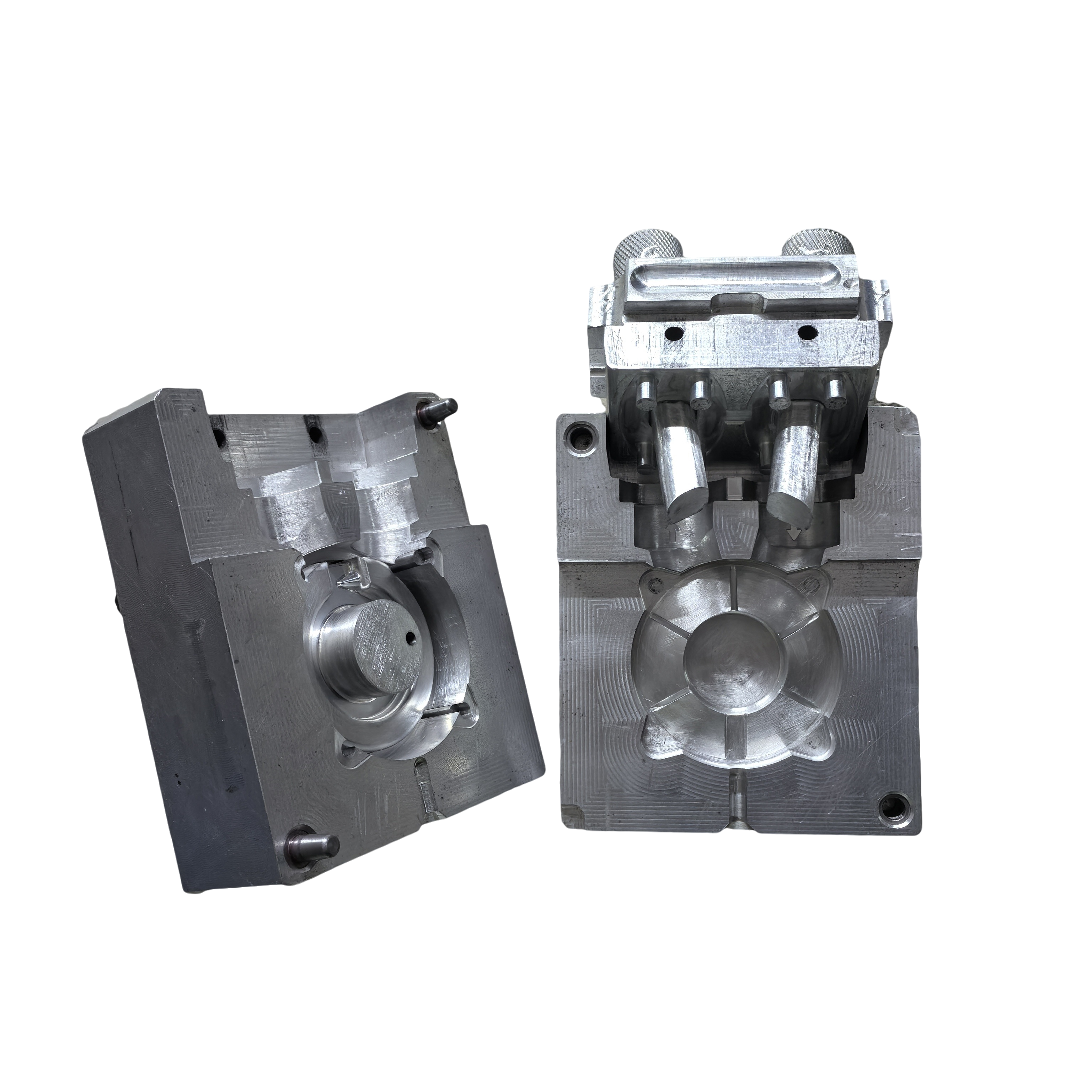
Metal casting involves pouring molten metal into a mold to create a desired shape. This process is pivotal in manufacturing industries, allowing for the production of complex geometries that would be challenging to achieve through other methods. Traditional metal casting techniques, such as sand casting, investment casting, and die casting, have laid the groundwork for more advanced methods.
The evolution of metal casting has been driven by the need for higher precision and better material properties. High-accuracy metal casting addresses these needs by employing advanced technologies and refined processes. This ensures that the final products meet stringent specifications and quality standards.
The Role of Precision in Metal Casting
Precision is a critical factor in metal casting, influencing the dimensional accuracy and surface finish of the cast components. High-accuracy metal casting techniques utilize state-of-the-art equipment and methodologies to achieve tight tolerances and superior surface quality. This is particularly important in industries such as aerospace, automotive, and medical devices, where even minor deviations can lead to significant performance issues.
For instance, in the aerospace industry, components must withstand extreme conditions and stresses. High-accuracy metal casting ensures that these components meet the necessary safety and performance standards. Similarly, in the medical field, precision is paramount to ensure the functionality and safety of implants and surgical instruments.
Technological Advancements in High-Accuracy Metal Casting
The advancements in high-accuracy metal casting are largely attributed to the integration of computer-aided design (CAD) and computer-aided manufacturing (CAM) technologies. These tools allow for precise control over the casting process, from the initial design phase to the final product. CAD software enables engineers to create detailed models of the components, which are then used to generate accurate molds.
Additionally, the use of simulation software has become increasingly prevalent in high-accuracy metal casting. These programs allow manufacturers to predict potential issues in the casting process, such as shrinkage or porosity, and make necessary adjustments before production begins. This proactive approach minimizes defects and enhances the overall quality of the cast components.
Innovations in Mold Materials and Techniques
The development of new mold materials and techniques has also contributed to the advancement of high-accuracy metal casting. Traditional sand molds have been supplemented by ceramic and graphite molds, which offer superior thermal properties and dimensional stability. These materials are particularly beneficial for casting metals with high melting points, such as titanium and nickel-based alloys.
Furthermore, additive manufacturing, or 3D printing, has emerged as a game-changer in mold production. This technology allows for the creation of highly intricate and customized molds, reducing lead times and costs. By leveraging 3D printing, manufacturers can produce molds with complex geometries that would be impossible to achieve through conventional methods.
Applications of High-Accuracy Metal Casting
High-accuracy metal casting finds applications across a wide range of industries, each with its unique requirements and challenges. In the automotive sector, this process is used to produce engine components, transmission parts, and structural elements. The precision and reliability of high-accuracy metal casting ensure that these components meet the demanding performance standards of modern vehicles.
In the aerospace industry, high-accuracy metal casting is essential for manufacturing turbine blades, structural components, and landing gear parts. The ability to produce lightweight and durable components is crucial for improving fuel efficiency and reducing emissions in aircraft.
Medical and Dental Applications
The medical and dental fields also benefit significantly from high-accuracy metal casting. Implants, prosthetics, and surgical instruments require exceptional precision to ensure proper fit and function. High-accuracy metal casting enables the production of these critical components with the necessary accuracy and biocompatibility.
In dentistry, high-accuracy metal casting is used to create crowns, bridges, and orthodontic appliances. The precision of this process ensures that these dental devices fit comfortably and function effectively, enhancing patient outcomes and satisfaction.
Challenges and Future Directions
Despite the numerous advantages of high-accuracy metal casting, the process is not without its challenges. One of the primary concerns is the cost associated with advanced equipment and materials. While these investments can lead to significant improvements in quality and efficiency, they may be prohibitive for smaller manufacturers.
Another challenge is the need for skilled personnel to operate and maintain the sophisticated machinery used in high-accuracy metal casting. As the industry continues to evolve, there is a growing demand for training programs and educational initiatives to develop the next generation of casting professionals.
Sustainability and Environmental Considerations
Sustainability is becoming an increasingly important consideration in high-accuracy metal casting. Manufacturers are exploring ways to reduce waste and energy consumption throughout the casting process. This includes the use of recyclable materials, energy-efficient equipment, and optimized production techniques.
The future of high-accuracy metal casting lies in the continued integration of digital technologies and sustainable practices. By embracing these innovations, the industry can achieve greater efficiency, reduce environmental impact, and meet the evolving needs of its diverse clientele.
Conclusion
High-accuracy metal casting represents a significant advancement in the field of manufacturing, offering unparalleled precision and quality. Through the integration of advanced technologies and innovative materials, this process has transformed the production of complex metal components across various industries. As the demand for precision and sustainability continues to grow, high-accuracy metal casting will play an increasingly vital role in shaping the future of manufacturing.
FAQs
1. What is high-accuracy metal casting?
High-accuracy metal casting is a manufacturing process that utilizes advanced technologies and refined methodologies to produce metal components with tight tolerances and superior surface quality.
2. How does high-accuracy metal casting differ from traditional casting methods?
Unlike traditional methods, high-accuracy metal casting employs state-of-the-art equipment and techniques to achieve greater precision and quality, making it suitable for industries with stringent requirements.
3. What industries benefit from high-accuracy metal casting?
Industries such as aerospace, automotive, medical, and dental benefit significantly from high-accuracy metal casting due to the precision and reliability it offers.
4. What are the challenges associated with high-accuracy metal casting?
Challenges include the high cost of advanced equipment and materials, as well as the need for skilled personnel to operate and maintain the machinery.
5. How does sustainability play a role in high-accuracy metal casting?
Sustainability is increasingly important, with manufacturers focusing on reducing waste and energy consumption through recyclable materials and energy-efficient practices.
6. What technological advancements have impacted high-accuracy metal casting?
Technological advancements such as CAD/CAM software, simulation tools, and 3D printing have significantly enhanced the precision and efficiency of high-accuracy metal casting.
7. What is the future of high-accuracy metal casting?
The future lies in the continued integration of digital technologies and sustainable practices, enabling the industry to meet the evolving needs of its diverse clientele.


