Ever wondered why some metal components fail while others last for decades? The secret often lies in their initial casting design.Precision blank castings form the crucial foundation of your final machined parts. A well-designed blank ensures superior quality and cost-effectiveness throughout manufacturing.In this guide, you'll discover essential design principles for perfect blank castings. We'll explore wall thickness, draft angles, and tolerance control. Partner with ZR Investment Casting to transform your complex designs into reliable, high-performance components.
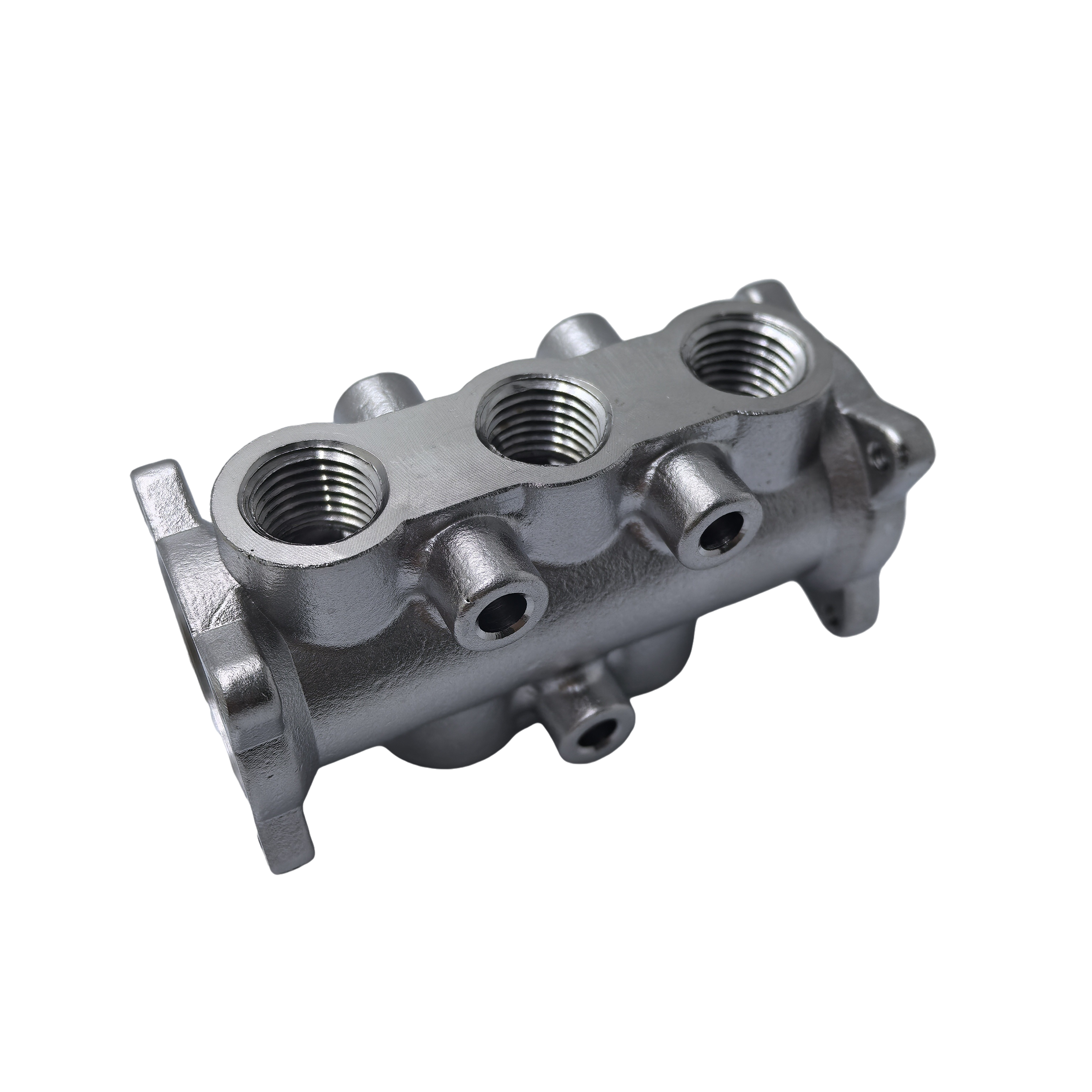
What is a Precision Blank Casting?
A precision blank casting is your part's first shape. We create it before any final machining happens. Think of it like a rough diamond. It needs careful preparation.
Good blank design minimizes your machining work. It also reduces material waste significantly. This approach saves you both time and money. The casting itself becomes strong and defect-free.
Investment casting makes excellent blanks. It captures complex details easily. You get superb surface finish and accuracy. This process is ideal for intricate components.
Core Principles for Designing Blank Castings
Prioritize Simplicity and Streamlined Shapes
Complex designs raise production risks. They often increase your costs too. Simple shapes are easier to cast.
Use rounded edges everywhere. Avoid sharp corners completely. Design smooth transitions between features. Your mold quality will improve greatly. This prevents cracks and inclusions.
Maintain Uniform Wall Thickness
Uneven walls cause many problems. They can warp or sink during cooling. Weak spots may develop in these areas.
Design consistent thickness throughout your part. Use gradual transitions when changes are needed. Your casting's structure will be much stronger. The process becomes more reliable.
Strategically Apply Draft Angles
Draft angles are slight tapers. They help remove patterns from molds. Vertical faces need this feature.
Investment casting has a nice advantage. Wax shrinkage often eliminates draft needs. But deep features still require it. Ceramic cores also need draft angles.
Choose from three draft types:
Type I: Increases dimensions, safest for machining
Type II & III: Modify dimensions, save material in high volumes
Incorporate Proper Casting Radii and Fillets
Sharp corners concentrate stress. They frequently lead to cracking. Radii solve this problem completely.
Replace all sharp internal corners. Use generous radii instead. Determine size by wall thickness. Consider your pouring temperature too. Proper radii prevent tearing failures.
Select the Right Machining Allowance
Machining allowance is extra material. We remove it during final machining. It ensures your part meets specifications.
Allowance depends on several factors:
Investment casting needs minimal allowance. This saves machining time and cost. Your stainless steel parts benefit greatly.
Understand Dimensional Tolerances (CT Class)
CT Class defines casting accuracy. It's a standardized measurement system. Tighter tolerances mean better precision.
Choose based on your part's function. Consider material and production volume. Stainless steel often uses CT8-CT9. This reduces your machining needs. Parts become more consistent.
The Blank Casting Design Process
Follow these steps for success:
First, define your part's function. Identify critical dimensions clearly. Know which surfaces need machining.
Choose your mold parting line carefully. This affects draft angles and gating. A flat parting plane works best.
Apply all design principles together. Integrate walls, radii, and drafts. Build everything into your 3D model.
Select allowances and tolerances wisely. Base them on your material choice. Consider stainless steel grades.
Finally, review with your casting partner. This step is absolutely crucial. It ensures your design will work.
Why Collaborate Early with Your Caster
Expert input creates flawless output. We cannot stress this enough. Early collaboration prevents problems.
ZR Investment Casting adds great value. We provide Design for Manufacturability analysis. Our team identifies issues early.
We use mold flow simulation in-house. This predicts filling issues perfectly. We correct them before making tooling.
You save both time and money. Redesigns become unnecessary. Your time to market accelerates quickly.
Material Selection for Blank Castings
Choose materials that suit your needs. Consider these common options:
Stainless Steel 304 (CF8) works for commercial use. It offers good corrosion resistance.
Stainless Steel 316 (CF8M) serves marine environments. It provides superior corrosion protection.
17-4 PH Alloy delivers high strength. It has excellent weldability too.
ZR Investment Casting: Your Perfect Partner
We offer complete in-house capabilities. Our services cover the entire process. We handle everything for you.
Our production line specializes in stainless steel. We work with all common alloys. Your parts will meet highest standards.
We serve demanding industries worldwide. Aerospace and marine sectors trust us. Petrochemical and medical too.
Our experience ensures your success. We deliver precision you can count on. Your components will perform perfectly.
Conclusion
Great blank casting design follows key rules. Keep shapes simple and walls uniform. Use proper radii and correct allowances.These principles maximize investment casting benefits. You achieve precision and reliability. Cost-effectiveness improves significantly.Ready to perfect your casting designs? Contact ZR Investment Casting today. Let's create exceptional parts together.
Frequently Asked Questions (FAQ)
Q: What is the most common mistake in blank casting design?
A: Inconsistent wall thickness. This causes defects like warping and porosity during cooling.
Q: Do I always need a draft angle in investment casting?
A: Not always. Wax shrinkage often helps. But deep features or ceramic cores need slight drafts for easy ejection.
Q: How does a well-designed blank casting save me money?
A: It reduces machining time and material waste. It also lowers the risk of scrapping defective parts.
Q: Can you help me with the design of my precision blank casting?
A: Absolutely! We offer full engineering support. Contact us early for a flawless, cost-effective outcome.


