In the modern industrial landscape, the demand for durable and resilient materials is ever-increasing. One such material that has gained prominence is high-strength steel. This guide delves into the intricacies of steel casting, with a particular focus on high-strength variants. The versatility and strength of these materials make them indispensable in various sectors, from automotive to construction. Understanding the nuances of high-strength steel casting is crucial for industries aiming to enhance their product durability and performance.
The Fundamentals of Steel Casting
Steel casting is a specialized process where molten steel is poured into molds to create specific shapes. This process allows for the creation of complex geometries that would be challenging to achieve through other manufacturing methods. The casting process involves several steps, including mold preparation, melting, pouring, and cooling. Each step requires precision and expertise to ensure the final product meets the desired specifications.
One of the primary advantages of steel casting is its ability to produce components with intricate designs and superior mechanical properties. This makes it an ideal choice for industries where precision and strength are paramount. The use of high-strength steel in casting further enhances these properties, providing components that can withstand extreme conditions and heavy loads.
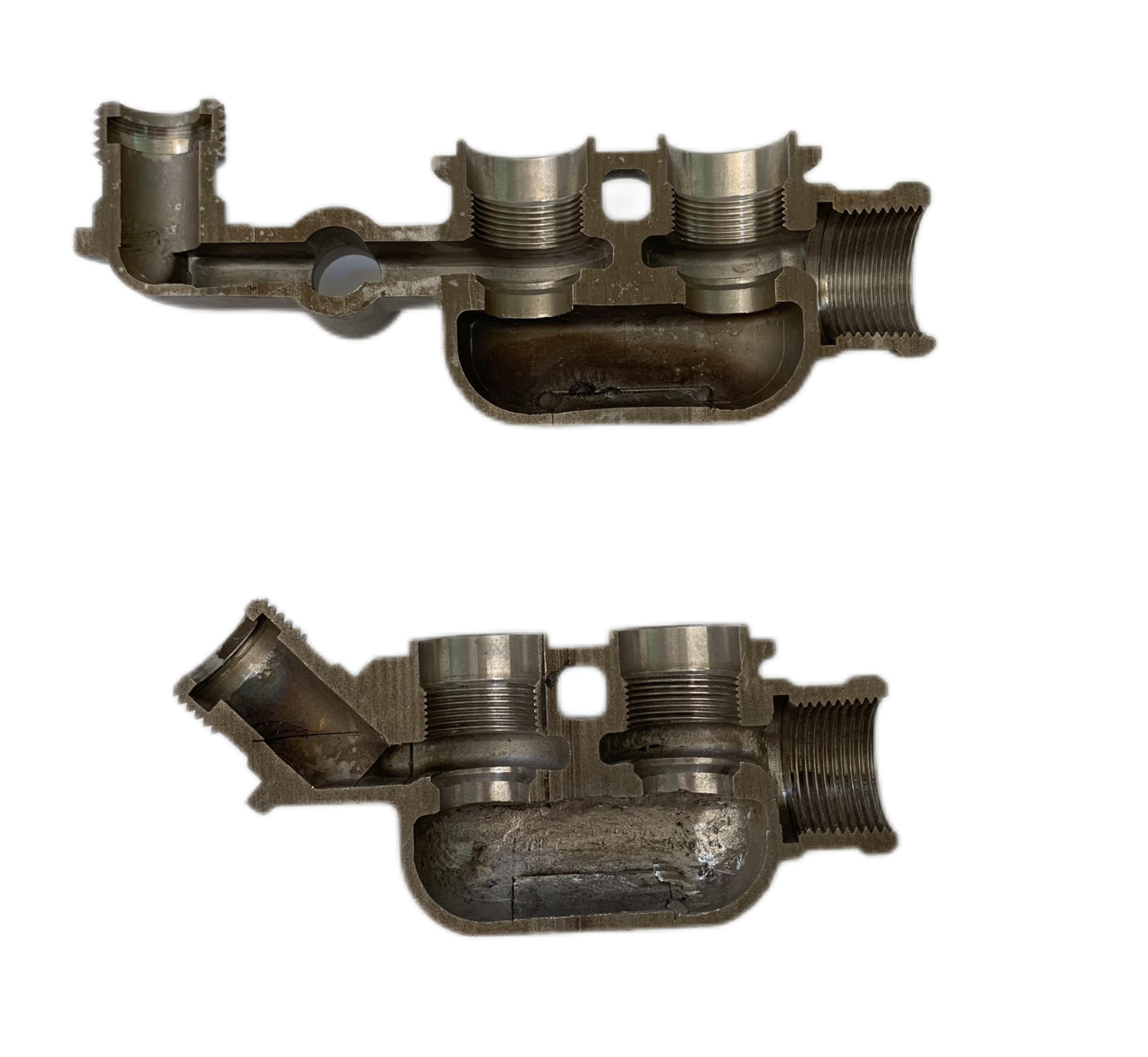
Types of Steel Used in Casting
Various types of steel are used in casting, each offering distinct properties. Carbon steel, alloy steel, and stainless steel are among the most common. Carbon steel is known for its strength and affordability, making it a popular choice for many applications. Alloy steel, on the other hand, contains additional elements such as chromium, nickel, and molybdenum, which enhance its strength and resistance to wear and corrosion.
Stainless steel is prized for its corrosion resistance, making it suitable for environments exposed to moisture and chemicals. High-strength steel casting often involves the use of alloy and stainless steels due to their enhanced mechanical properties. The choice of steel depends on the specific requirements of the application, including factors like load-bearing capacity, environmental conditions, and cost considerations.
The Process of High-Strength Steel Casting
High-strength steel casting involves several critical steps that ensure the final product meets stringent quality standards. The process begins with the selection of the appropriate steel alloy, followed by the preparation of the mold. The mold must be designed to accommodate the thermal expansion of the steel and to facilitate the removal of the final casting.
Once the mold is prepared, the steel is melted in a furnace. The melting process requires precise control of temperature to ensure the steel reaches the correct viscosity for pouring. After melting, the molten steel is poured into the mold, where it begins to cool and solidify. The cooling process is critical, as it affects the microstructure and mechanical properties of the final casting.
After cooling, the casting is removed from the mold and undergoes finishing processes such as machining, heat treatment, and surface coating. These steps enhance the performance and appearance of the casting, ensuring it meets the required specifications.
Challenges in High-Strength Steel Casting
Despite its advantages, high-strength steel casting presents several challenges. The high melting point of steel requires specialized equipment and expertise. Additionally, the cooling process must be carefully controlled to prevent defects such as warping, cracking, and internal stresses.
Another challenge is the potential for impurities and inclusions in the steel, which can weaken the final product. To mitigate these issues, rigorous quality control measures are implemented throughout the casting process. This includes the use of advanced testing techniques such as ultrasonic testing and X-ray inspection to detect defects and ensure the integrity of the casting.
Applications of High-Strength Steel Casting
High-strength steel castings are used in a wide range of applications across various industries. In the automotive sector, they are used to manufacture components such as engine blocks, transmission cases, and suspension parts. The strength and durability of high-strength steel make it ideal for these applications, where components are subjected to high stress and wear.
In the construction industry, high-strength steel castings are used in the fabrication of structural components such as beams, columns, and connectors. These components must withstand significant loads and environmental conditions, making high-strength steel an ideal choice. The oil and gas industry also relies on high-strength steel castings for components such as valves, pumps, and pipeline fittings, where reliability and resistance to corrosion are critical.
Innovations in High-Strength Steel Casting
Recent innovations in high-strength steel casting have focused on improving the efficiency and quality of the casting process. Advanced computer simulations are now used to model the casting process, allowing engineers to optimize mold design and cooling rates. This reduces the likelihood of defects and improves the overall quality of the casting.
Additionally, new alloy compositions are being developed to enhance the mechanical properties of high-strength steel castings. These alloys offer improved strength, toughness, and resistance to wear and corrosion, expanding the range of applications for high-strength steel castings.
Conclusion
High-strength steel casting is a vital process in modern manufacturing, offering components with exceptional strength and durability. Despite the challenges involved, advancements in technology and materials continue to enhance the quality and efficiency of the casting process. For industries seeking to improve their products' performance and longevity, understanding the intricacies of high-strength steel casting is essential. As innovations continue to emerge, the potential applications for high-strength steel castings will undoubtedly expand, driving further advancements in various sectors.
FAQs
1. What is high-strength steel casting?
High-strength steel casting involves pouring molten high-strength steel into molds to create components with superior mechanical properties, suitable for demanding applications.
2. What are the benefits of using high-strength steel castings?
They offer enhanced strength, durability, and resistance to wear and corrosion, making them ideal for industries like automotive, construction, and oil and gas.
3. What challenges are associated with high-strength steel casting?
Challenges include managing high melting points, controlling cooling processes, and preventing impurities, requiring advanced equipment and quality control.
4. How are innovations improving high-strength steel casting?
Innovations include computer simulations for process optimization and new alloy compositions for improved mechanical properties.
5. What industries benefit most from high-strength steel castings?
Industries such as automotive, construction, and oil and gas benefit significantly due to the demanding nature of their applications.
6. How does high-strength steel casting impact product performance?
It enhances product performance by providing components that can withstand extreme conditions and heavy loads.
7. What future trends are expected in high-strength steel casting?
Future trends include further advancements in alloy development and casting technology, expanding applications and improving efficiency.


