Have you ever wondered how complex metal parts are made? Investment casting is the answer. This ancient technique, known for its precision, is crucial in industries like aerospace and automotive.
In this article, we’ll explore what investment casting is and why it’s called that. You’ll learn about its significance in modern manufacturing and the process behind creating high-quality casting parts. Get ready to dive into the fascinating world of investment casting!
Overview of the Investment Casting Process
Investment casting is a sophisticated manufacturing technique that transforms raw materials into intricate and precise metal components. This method is highly valued in industries such as aerospace, automotive, and medical devices due to its ability to produce complex geometries with exceptional accuracy. Let’s delve deeper into the key steps involved in this meticulous process.
Step 1: Creating the Wax Pattern
The journey of investment casting begins with the creation of a wax pattern, which serves as the model for the final casting.
● Precision is Key: The wax pattern must be created with utmost precision. Any deviation can lead to defects in the final casting parts, impacting performance and safety.
● Manufacturing Techniques: Companies like Foshan Zeren Precision Casting Co., Ltd. utilize advanced metal dies to manufacture these wax patterns. This process ensures high fidelity to the original design, allowing for consistent production across multiple units.
● Material Choice: The wax used is typically a type of paraffin or a specialized blend designed for easy removal during the dewaxing stage. This choice of material is crucial for maintaining the integrity of the mold.
Step 2: Assembling the Wax Tree
Once the wax patterns are created, they are assembled into a structure known as a wax tree.
● Structure and Efficiency: The wax tree consists of multiple wax patterns connected to a central sprue. This design allows molten metal to flow efficiently into each pattern, optimizing the casting process.
● Mass Production Benefits: Using a wax tree significantly enhances production efficiency. It reduces material waste and allows for the simultaneous production of multiple casting parts, making it ideal for large-scale manufacturing.
● Design Flexibility: The wax tree structure can be customized to accommodate various designs, enabling manufacturers to produce a wide range of components, from simple shapes to complex geometries.
Step 3: Building the Ceramic Shell
Next, a ceramic shell is created around the wax tree, which is crucial for forming the final mold.
● Creation Process: The wax tree is repeatedly dipped in a ceramic slurry, followed by a coating of fine sand. This layering process builds a robust shell that can withstand the intense heat during metal pouring.
● Importance of Thickness: The thickness of the ceramic shell is critical. A well-constructed shell ensures minimal deformation during the pouring process, leading to high-quality castings. Typically, the shell thickness can range from 5 to 10 millimeters, depending on the size and complexity of the casting.
● Material Composition: The ceramic shell is usually made from a mixture of silica, zircon, and other refractory materials. These materials are chosen for their ability to withstand high temperatures and provide excellent surface finishes.
Step 4: Dewaxing the Shell
After the ceramic shell is formed, the wax must be removed to create a hollow mold.
● Dewaxing Methods: Techniques such as flash fire dewaxing are commonly employed. This method involves heating the shell to melt away the wax quickly, allowing it to drain out effectively.
● Comparison with Traditional Methods: Unlike traditional high-temperature water dewaxing, which can risk damaging the shell, flash fire dewaxing preserves the integrity of the mold. This step is crucial for ensuring that the mold can withstand the pouring of molten metal.
Step 5: Pouring the Molten Metal
Now, it’s time to pour the molten metal into the shell.
● Types of Metals Used: Common materials include carbon steel, stainless steel, and various alloys, chosen for their strength and durability in specific applications. For instance, stainless steel is often used in medical devices due to its corrosion resistance.
● Temperature Control: Maintaining the right temperature during pouring is vital. Typically, the molten metal is poured at temperatures ranging from 1,500°C to 1,600°C (2,732°F to 2,912°F). This ensures that the metal flows smoothly into every crevice of the mold, resulting in precise casting parts.
Step 6: Cooling and Shell Removal
Once the metal is poured, it needs to cool and solidify.
● Cooling Process: The cooling time can vary based on the thickness of the casting. This step is critical for achieving the desired structural integrity. Cooling times can range from several minutes to hours, depending on the material and size of the casting.
● Shell Removal Techniques: After cooling, the ceramic shell is broken away. Techniques such as water jet cutting or vibration may be used to ensure minimal damage to the casting parts. This careful removal is essential for maintaining the quality of the finished product.
Step 7: Finishing the Casting Parts
Finally, the casting parts undergo a series of finishing processes.
● Common Finishing Techniques: Techniques such as CNC machining, polishing, and surface treatments enhance the appearance and performance of the final product. These finishing steps can significantly improve surface quality, often achieving tolerances of ±0.1 mm.
● Quality Assurance: Finishing is essential for meeting industry standards, such as ISO9001:2015 and RoHS compliance. These standards ensure that each part not only meets the required specifications but also adheres to safety and environmental regulations.
Step | Description | Importance |
Creating Wax Pattern | High-precision models made from metal dies | Ensures accuracy in final casting |
Assembling Wax Tree | Multiple patterns connected for efficient pouring | Reduces waste and increases production efficiency |
Building Ceramic Shell | Layered construction for strength | Critical for maintaining shape during pouring |
Dewaxing | Removal of wax using flash fire method | Preserves mold integrity |
Pouring Metal | Filling the mold with molten metal | Ensures detailed and precise casting |
Cooling | Solidifying the metal | Achieves structural integrity |
Finishing | Final touches to enhance quality | Meets industry standards and improves performance |
This overview provides a comprehensive look at the intricate world of investment casting. Each step plays a vital role in ensuring the production of high-quality casting parts that meet the demands of various industries. With its precision and versatility, investment casting continues to be a preferred choice for manufacturers looking to produce complex and reliable components.

Advantages of Investment Casting
Investment casting is a highly regarded manufacturing method, especially for producing complex and precise casting parts. It offers several advantages that make it a preferred choice in various industries, including aerospace and medical. Let’s explore these benefits in detail.
Precision and Complexity
One of the standout features of investment casting is its ability to create intricate designs with exceptional dimensional accuracy.
● High Dimensional Accuracy: This process allows manufacturers to produce components that meet tight tolerances, often within ±0.1 mm. For instance, Zeren’s casting parts demonstrate how investment casting can achieve intricate designs while maintaining precision.
● Comparative Precision: When compared to other casting methods like sand casting and die casting, investment casting excels in surface quality and detail. Sand casting often requires extensive machining to achieve the desired finish, while die casting may limit design complexity. Investment casting minimizes these issues, providing a superior surface finish directly from the mold.
Material Versatility
Investment casting accommodates a wide range of materials, making it versatile for various applications.
● Types of Materials: Common materials used include stainless steel, carbon steel, and nickel-based alloys. Each of these materials has unique properties suited for specific applications. For example, stainless steel is ideal for medical devices due to its corrosion resistance.
● Application Benefits: Using different alloys enhances performance in critical sectors. In aerospace, nickel-based alloys are preferred for their strength at high temperatures. In contrast, carbon steel is often used in automotive applications for its durability and cost-effectiveness.
Cost Efficiency
Investment casting is not only about precision; it also offers significant cost advantages.
● Initial Costs vs. Long-Term Savings: While the initial setup costs for investment casting can be higher than some other methods, the long-term savings are substantial. By reducing the need for secondary machining processes, manufacturers can save both time and money. This efficiency is particularly beneficial for small-batch production where setup costs are spread over fewer units.
● Production Efficiency: The impact on production efficiency is notable, especially for complex R&D castings. Investment casting allows for rapid prototyping and quick iterations, which is essential in fast-paced industries. This efficiency helps businesses respond swiftly to market demands and reduces lead times for new products.
Summary of Advantages
Advantage | Description | Impact |
Precision and Complexity | High dimensional accuracy and intricate designs | Reduced need for post-processing |
Material Versatility | Wide range of materials, including alloys | Tailored solutions for specific industry needs |
Cost Efficiency | Lower long-term costs due to reduced machining | Increased production efficiency and faster turnaround |
Investment casting stands out for its precision, versatility, and cost-effectiveness. By leveraging these advantages, manufacturers can produce high-quality casting parts that meet the rigorous demands of various industries. This method not only enhances product quality but also supports innovation and efficiency in manufacturing processes.
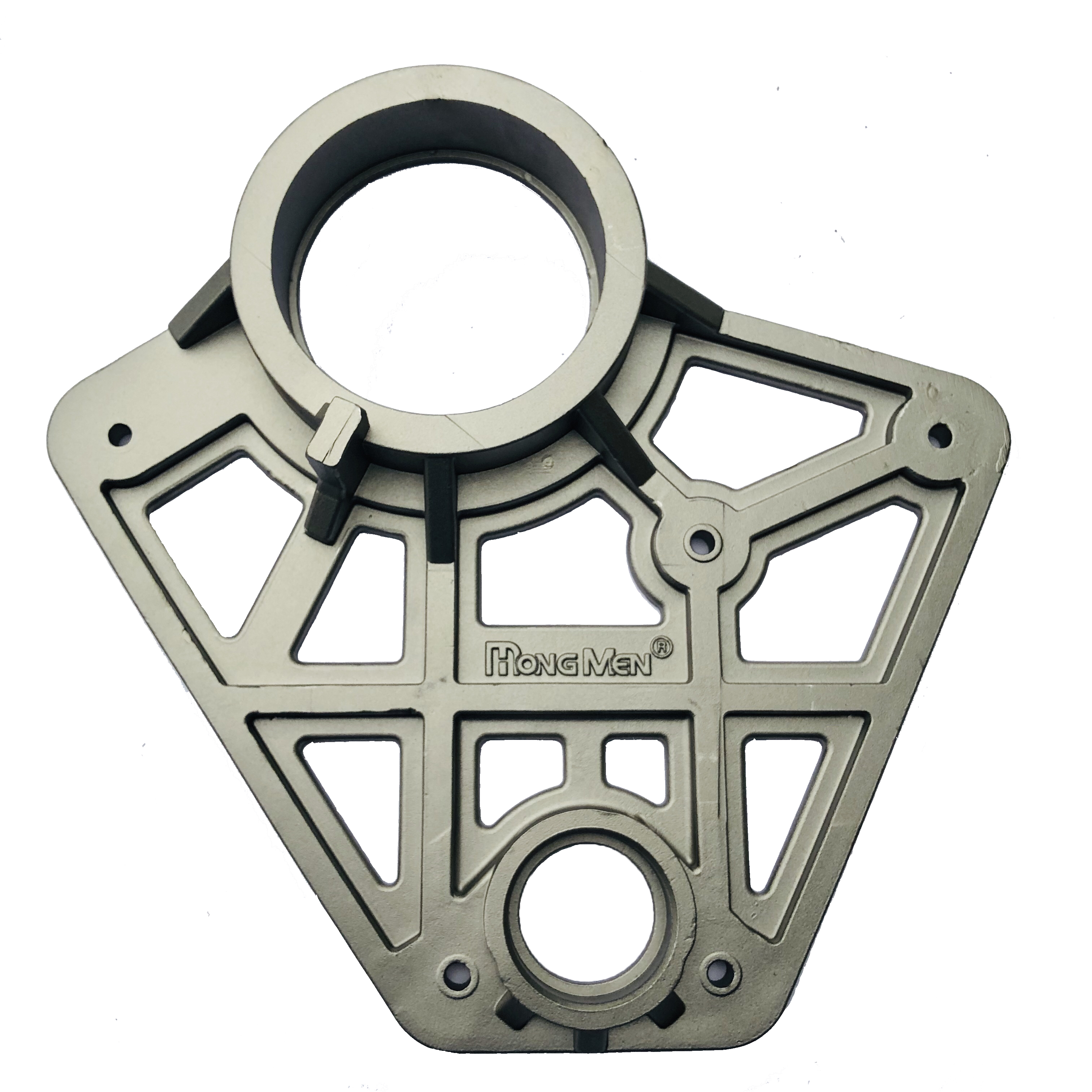
Applications of Investment Casting
Investment casting is widely recognized for its versatility and precision, making it an ideal choice for various industries. From aerospace to medical applications, this process enables the production of high-quality casting parts that meet stringent performance standards. Let’s explore some of the key industries benefiting from investment casting and examine specific examples of parts produced.
Industries that Benefit from Investment Casting
Investment casting finds applications across multiple sectors, each requiring unique specifications and high-quality components.
● Aerospace: This industry demands lightweight yet strong components. Investment casting is used to create critical parts such as turbine blades, which must withstand extreme conditions. The precision of investment casting ensures these components meet strict safety and performance standards.
● Automotive: In the automotive sector, investment casting is used for producing complex parts like valve bodies and engine components. These parts benefit from the method's ability to create intricate shapes while maintaining dimensional accuracy, crucial for engine efficiency and performance.
● Medical: The medical industry relies on investment casting for surgical instruments and implants. The ability to produce complex geometries with high precision is vital for ensuring the reliability and safety of medical devices. For instance, custom surgical instruments made through investment casting can significantly enhance surgical outcomes.
● Industrial Applications: Various industrial applications utilize investment casting for producing components such as pump housings and valve bodies. These parts often require high durability and corrosion resistance, which investment casting can provide through the selection of appropriate materials.
Specific Examples of Casting Parts Produced
Investment casting enables the production of a wide range of specialized components across these industries.
Industry | Casting Parts | Applications |
Aerospace | Turbine Blades | High-performance engines that operate at extreme temperatures |
Automotive | Valve Bodies | Essential for engine operation and efficiency |
Medical | Surgical Instruments | Instruments designed for precision in surgical procedures |
Industrial | Pump Housings | Components that require durability and reliability |
Case Studies
Examining successful applications of investment casting highlights its effectiveness across industries.
● Zeren Precision Casting: This company has made significant contributions to the aerospace sector by producing turbine blades that meet stringent aerospace standards. Their ability to create complex geometries with high precision has positioned them as a key player in the market.
● Automotive Innovations: A leading automotive manufacturer partnered with investment casting specialists to develop lightweight valve bodies. This collaboration resulted in components that improved engine performance while reducing overall vehicle weight, showcasing the benefits of investment casting in automotive design.
● Medical Advancements: In the medical field, a company specializing in surgical instruments utilized investment casting to produce custom tools for orthopedic surgeries. The high precision of these instruments improved surgical outcomes and reduced recovery times for patients.
Investment casting not only meets the demands of various industries but also drives innovation by enabling the design of complex and high-performance components. Its applications are vast, and the ongoing advancements in casting technologies continue to expand its potential across sectors.
Conclusion
Investment casting offers numerous benefits for manufacturing.
It enables high precision and complex designs, making it ideal for various industries.
Emerging trends, such as automation and smart manufacturing, are shaping the future of investment casting.
Explore investment casting options for your projects.
Consider companies like Foshan Zeren for their expertise in producing quality casting parts.
FAQ
Q: What materials can be used in investment casting?
A: Investment casting can utilize various materials, including stainless steel, carbon steel, and nickel-based alloys.
Q: How does investment casting compare to other casting methods?
A: Investment casting offers higher precision and better surface quality than sand casting and die casting.
Q: What are the typical lead times for investment casting projects?
A: Lead times vary but generally range from a few weeks to several months, depending on complexity.
Q: What quality standards should I look for in an investment casting provider?
A: Look for providers that meet standards like ISO9001:2015 to ensure quality and reliability.
Q: Can investment casting be used for small batch production?
A: Yes, investment casting is suitable for small batch production, especially for complex designs.


