Surface-Treatment-Services
Home Capabilities Surface Finishing Services for Investment Cast Parts

Surface Finishing Services for Investment Cast Parts


Zeren provides surface finishing solutions for investment cast and CNC machined steel parts to improve corrosion resistance, wear performance, surface appearance and protection in service.


From blasting, pickling and passivation to polishing, plating, powder coating and black finish options, we help select a practical finishing process based on material, part geometry, dimensional requirements and working environment.

Request a Quote

Upload Drawing

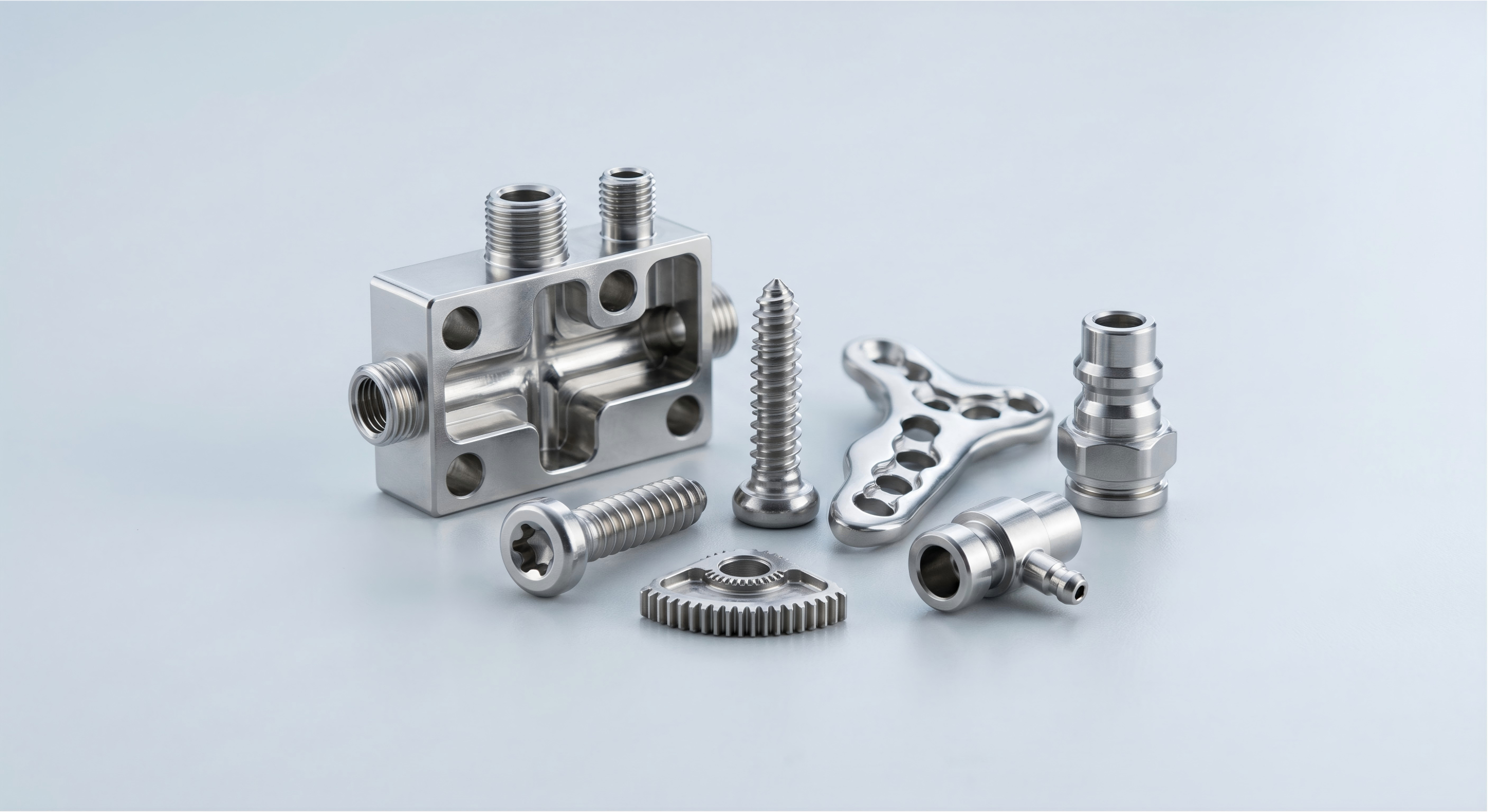
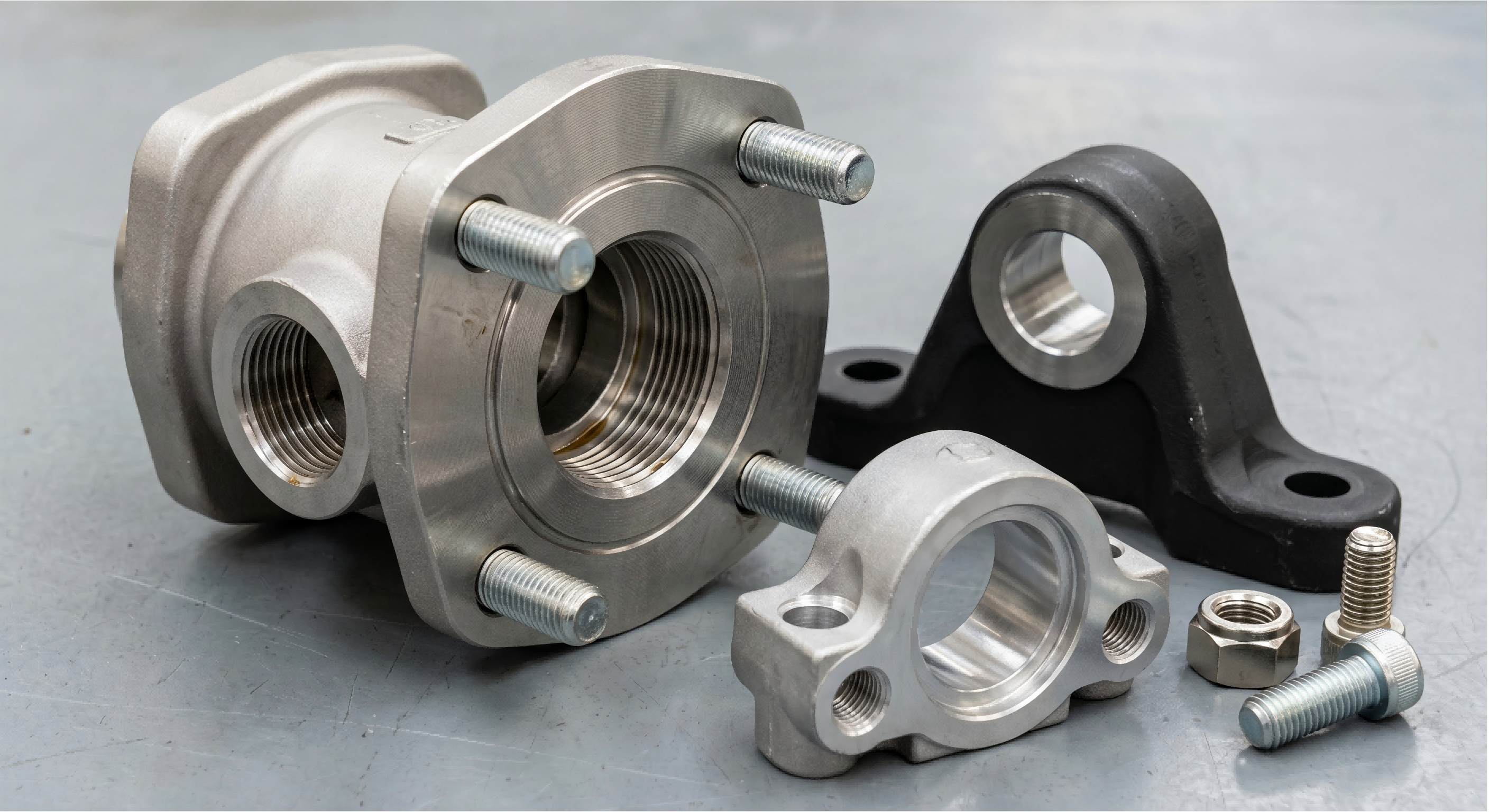
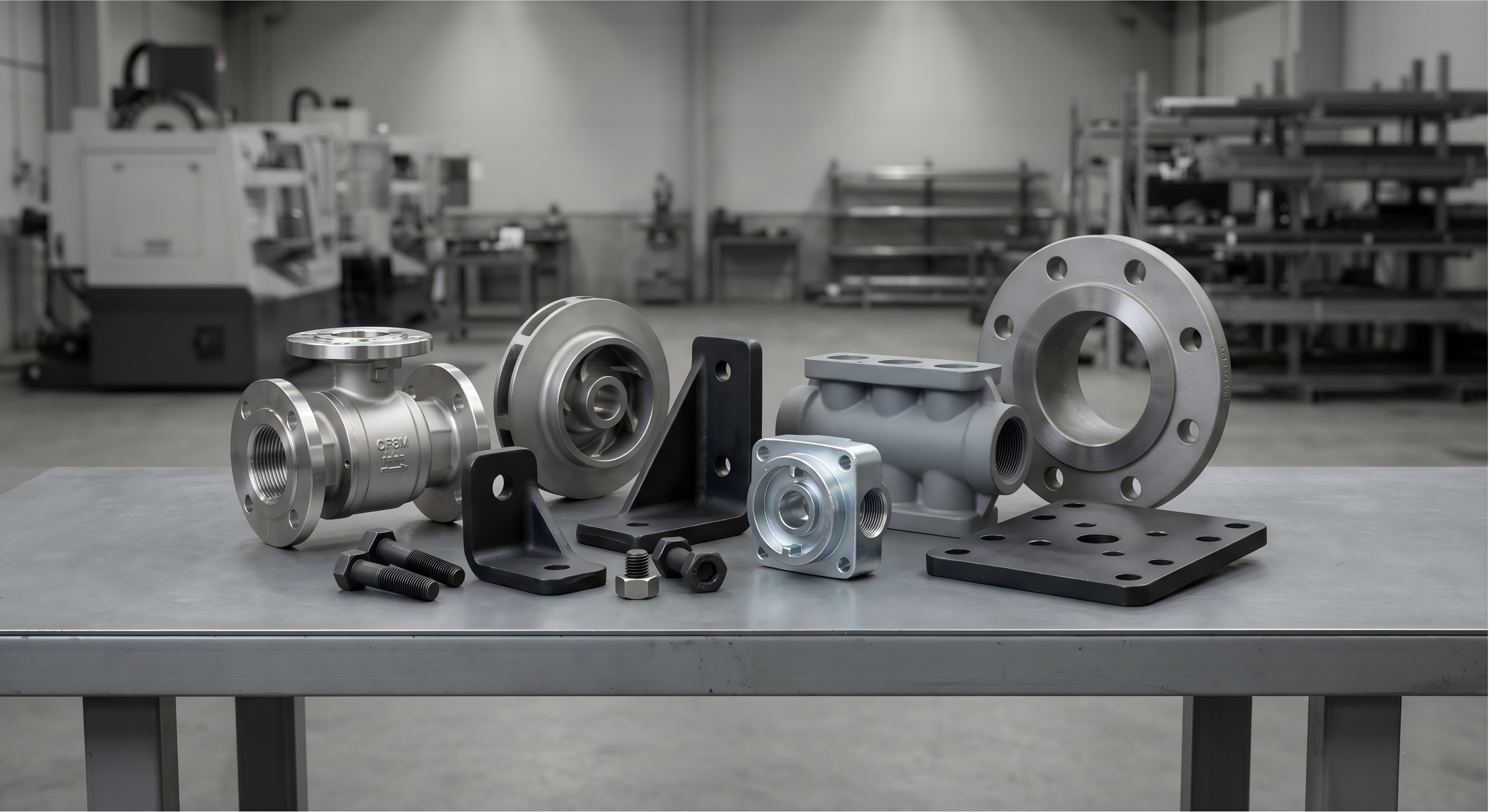
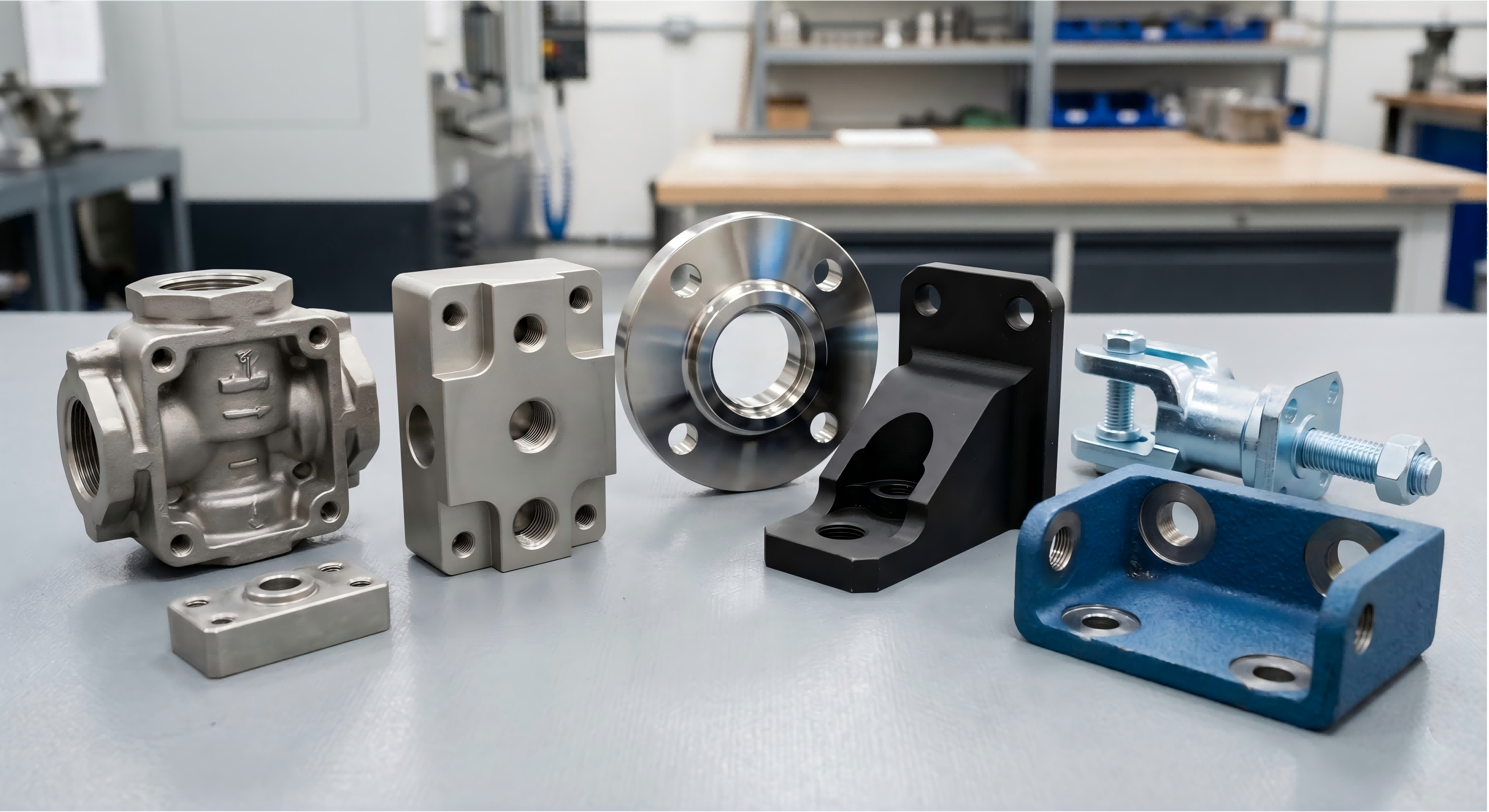
Surface finished investment cast and CNC machined metal parts with different finishing options

Why Surface Finishing Matters After Casting and Machining

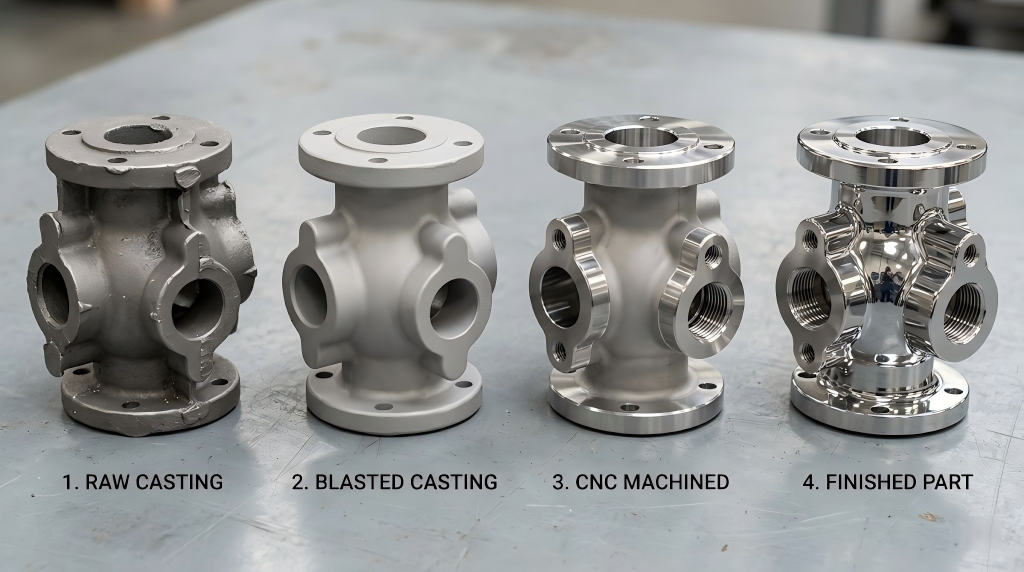
Investment cast part from raw casting to machined and surface finished condition
Surface finishing is an important final manufacturing step that can influence corrosion protection, wear resistance, surface cleanliness, appearance and long-term performance.

For investment cast and CNC machined parts, finishing requirements should be considered together with material grade, machined features, dimensional tolerances and the actual service environment. Threads, sealing faces, bores and other critical surfaces may also require masking or special protection during finishing.

At Zeren, surface finishing is reviewed as part of the complete manufacturing process so that casting, machining, finishing and final inspection requirements are coordinated before production.

Surface Finishing Options We Support

Different materials and applications require different surface treatments. We help customers select practical finishing options based on base material, corrosion resistance, wear requirements, appearance, dimensional tolerance, cost and working environment.

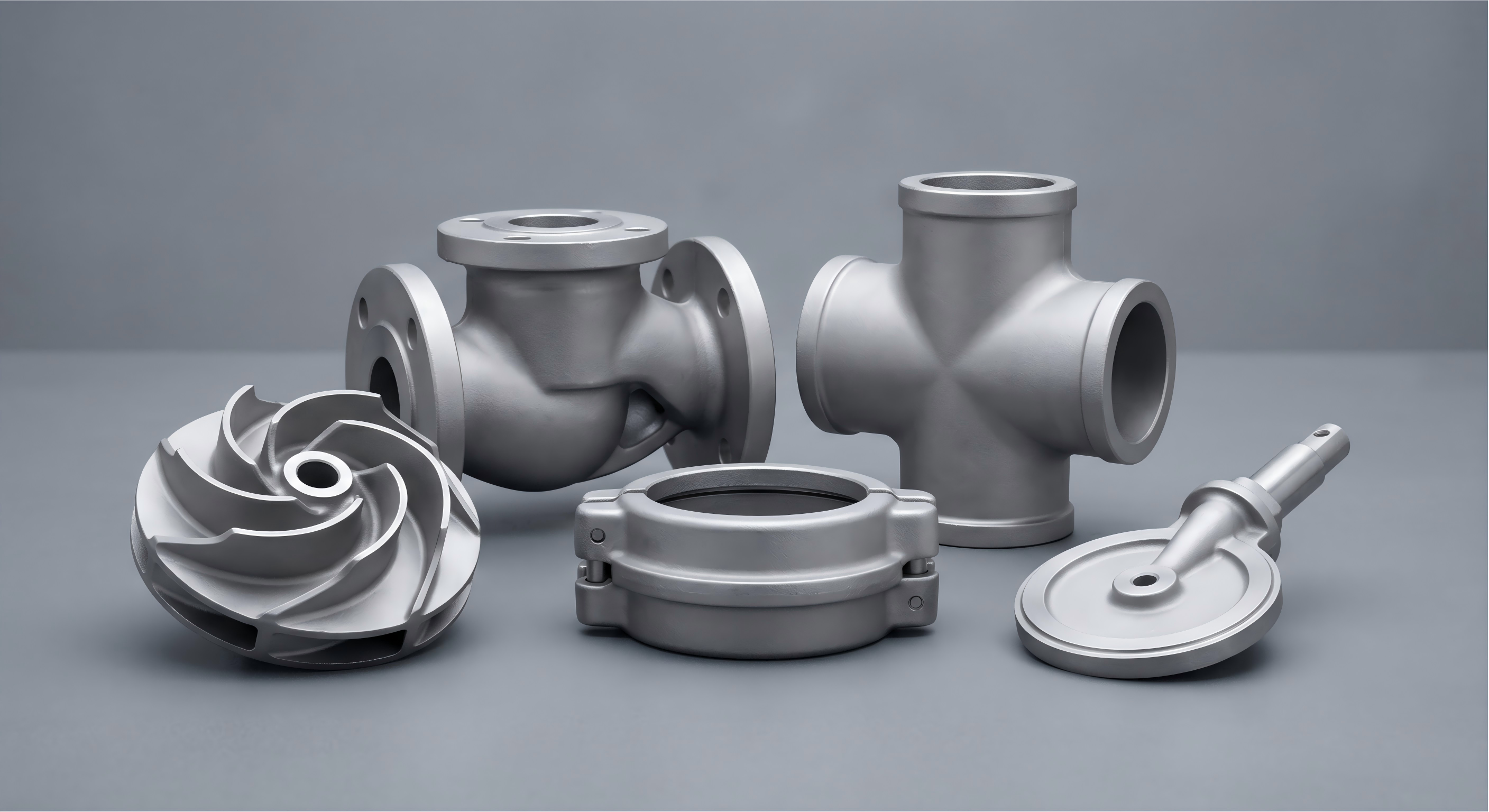
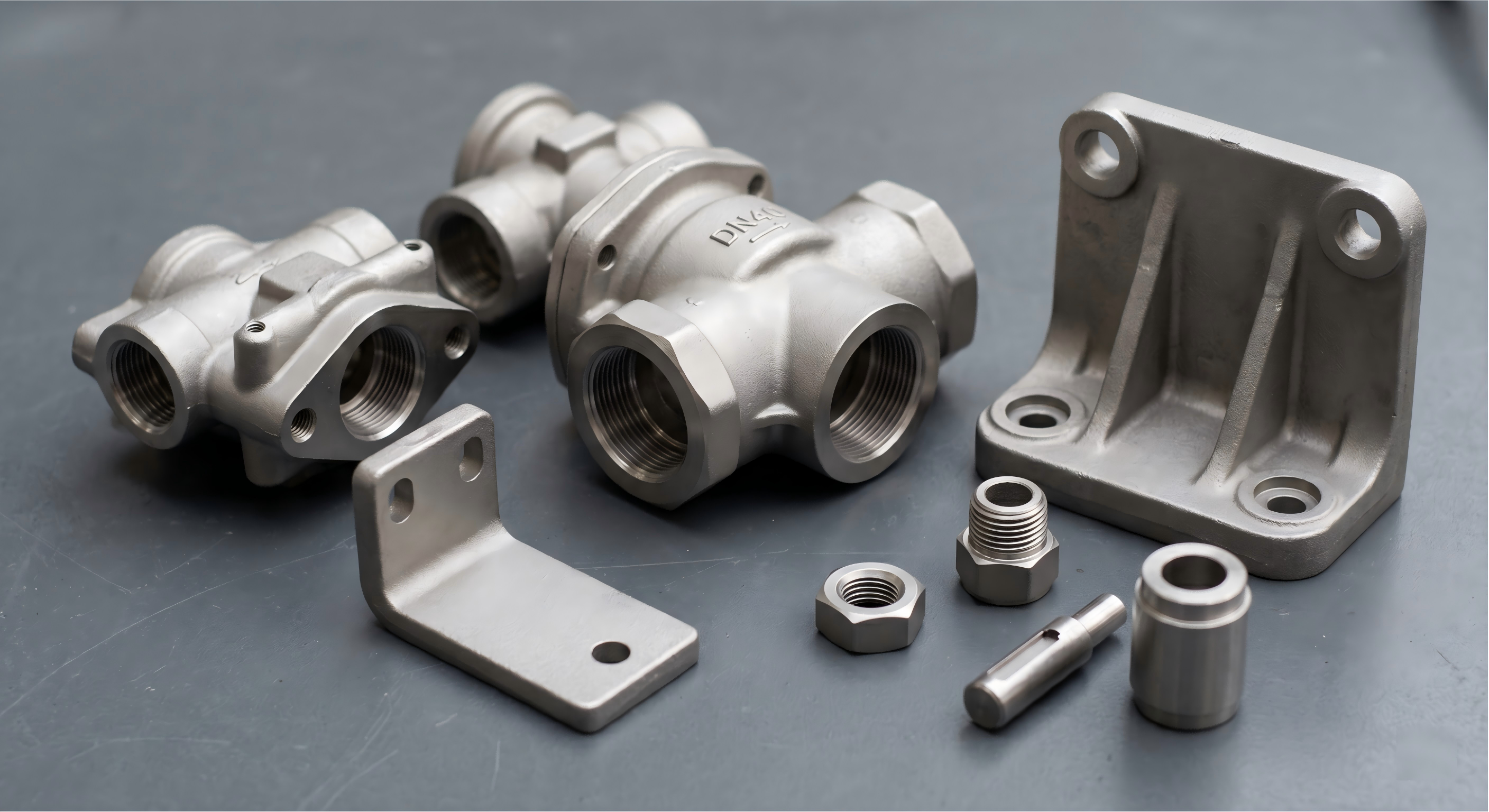
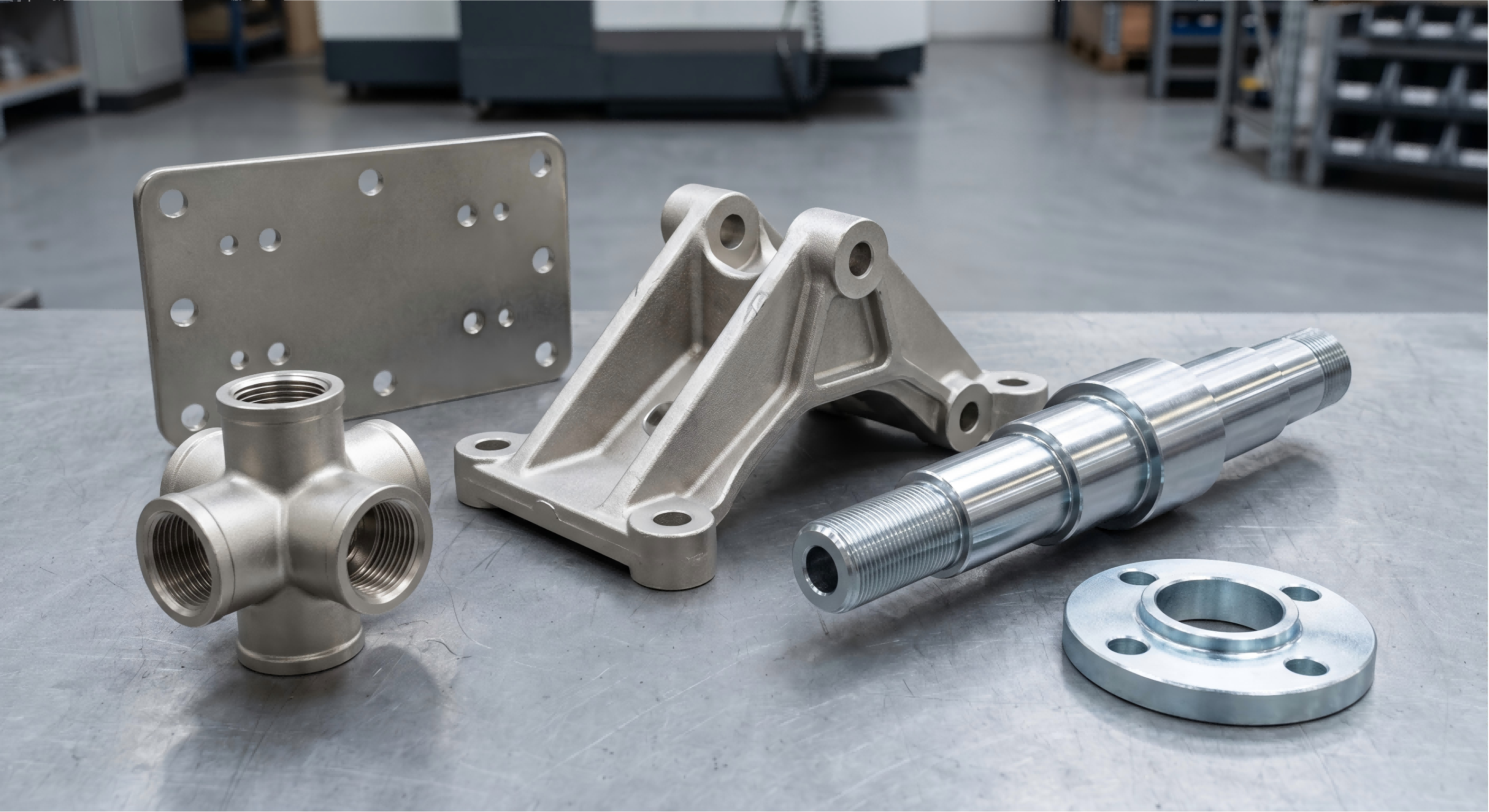
Bead blasted stainless steel investment cast parts with uniform matte surface

Shot Blasting & Bead Blasting

Shot blasting and bead blasting are commonly used to remove oxide scale, residual shell material and surface contamination from investment cast parts while producing a cleaner and more uniform surface.

The required blasting media and surface condition can be selected according to the base material and subsequent machining, passivation or coating requirements.
Best for: stainless steel castings, carbon steel castings, alloy steel parts, pump and valve components, brackets and industrial machinery parts.
Pickled and passivated stainless steel investment cast components

Pickling & Passivation

Pickling and passivation are commonly used for stainless steel and duplex stainless steel parts to remove heat tint, scale, free iron and surface contamination while helping restore corrosion resistance.

These processes are particularly useful for components exposed to moisture, chemicals or corrosive operating environments.
Best for: stainless steel, duplex stainless steel, pump and valve components, marine parts and petrochemical applications.
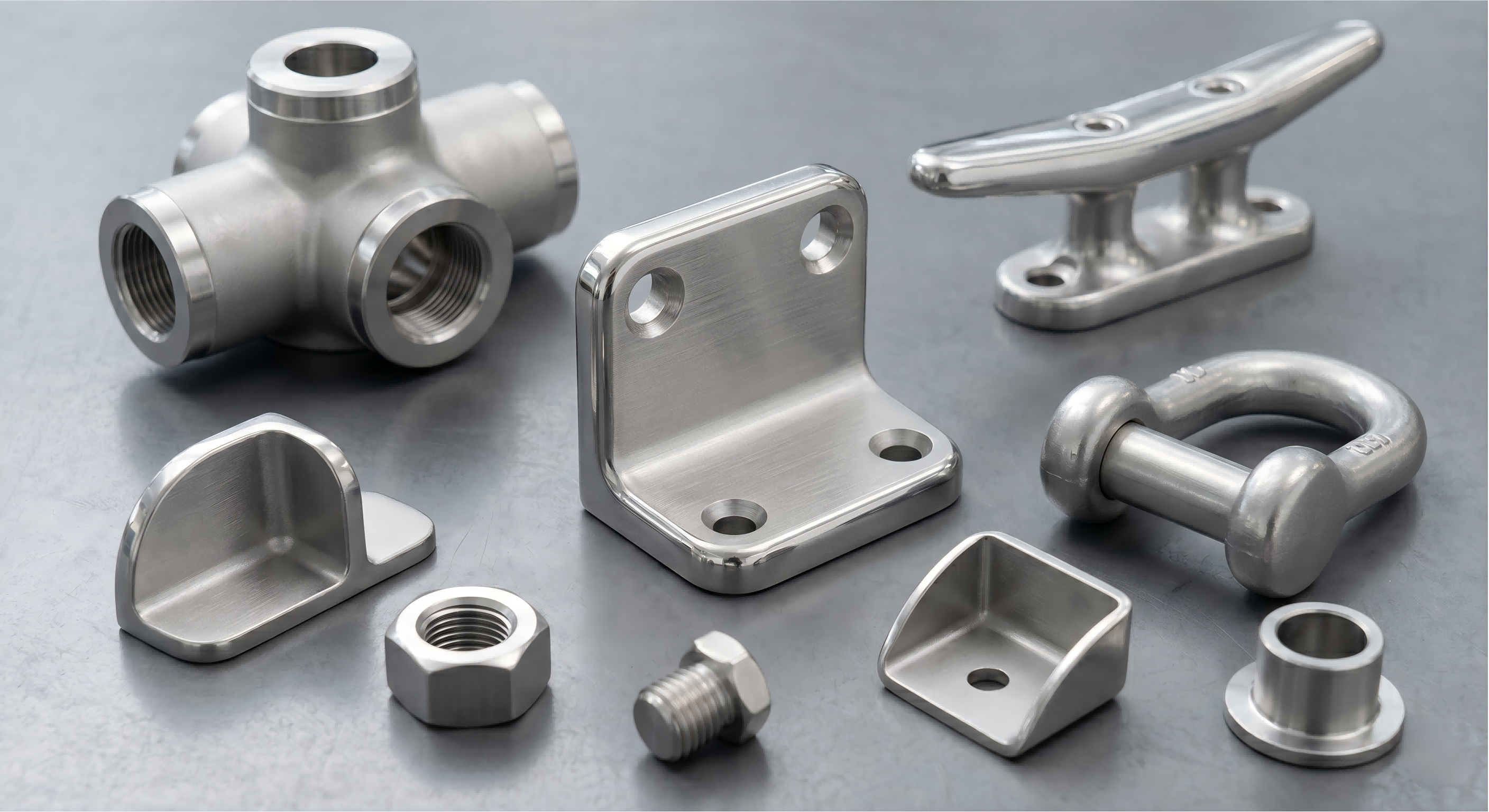
Polished and brushed stainless steel investment cast parts

Polishing & Brushing

Polishing and brushing improve surface smoothness, cleanliness and appearance for visible stainless steel cast and machined parts.

Depending on the required finish, options may range from general mechanical polishing and directional brushing to higher-grade polishing or electropolishing for stainless steel components.
Best for: stainless steel hardware, architectural fittings, visible machinery components, instrument parts and exposed machined surfaces.
Electroplated and electroless nickel plated steel cast and machined parts

Plating & Electroless Nickel

Metal plating can provide additional corrosion protection, wear resistance, surface hardness or decorative appearance depending on the coating system.

Zinc plating, nickel plating and electroless nickel plating may be considered for carbon steel, alloy steel and precision machined components according to functional and environmental requirements.
Best for: carbon steel parts, alloy steel parts, shafts, brackets, fasteners and mechanical components.
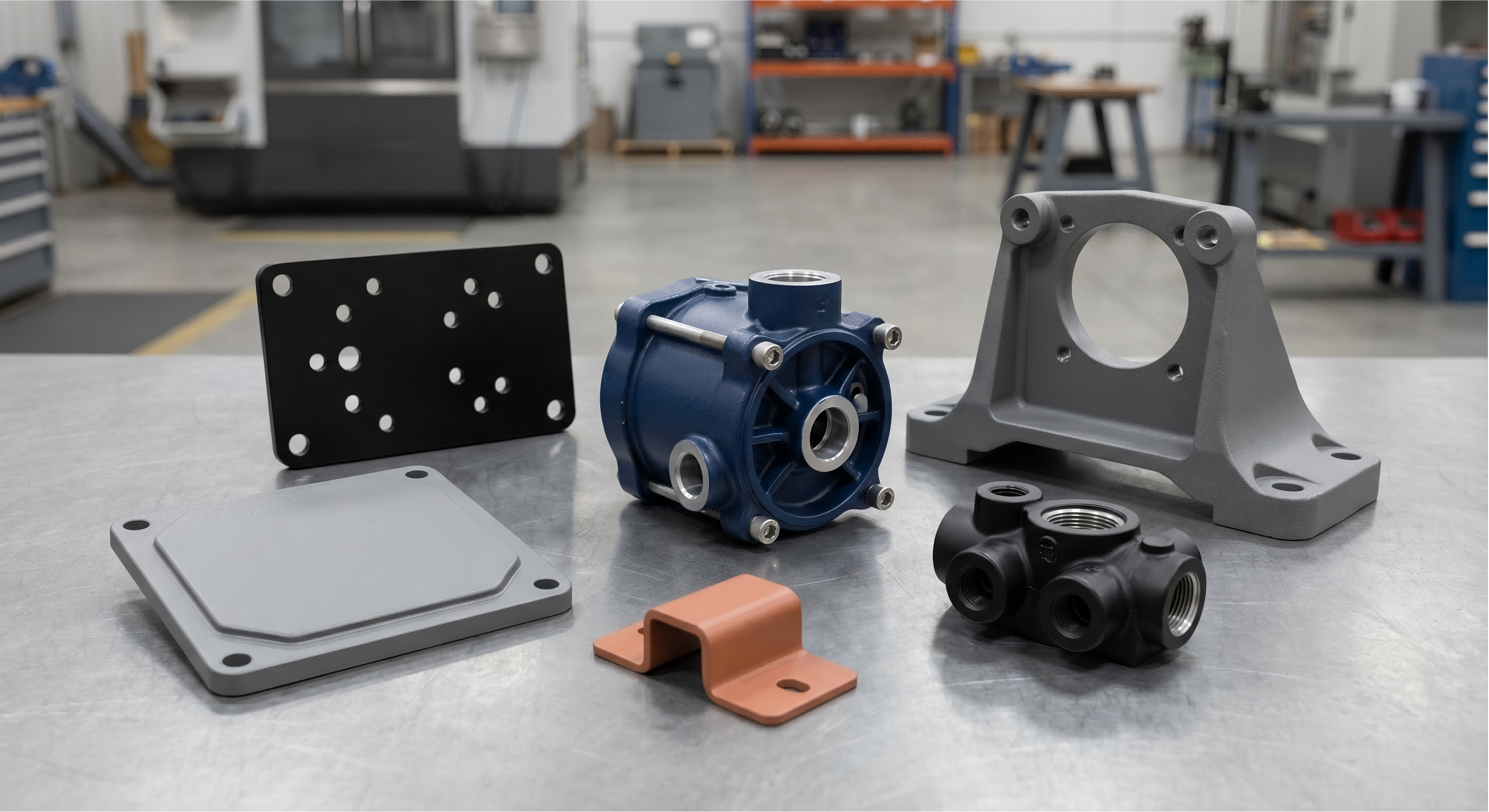
Powder coated cast and machined metal parts in black, blue, grey and orange finishes

Powder Coating & E-Coating

Powder coating provides a durable colored surface for components requiring corrosion protection, outdoor durability or a specific appearance.

E-coating may also be considered where more uniform coating coverage is required on complex steel parts, recessed areas or production components.
Best for: carbon steel parts, alloy steel parts, steel hardware, brackets, machinery components and outdoor applications.
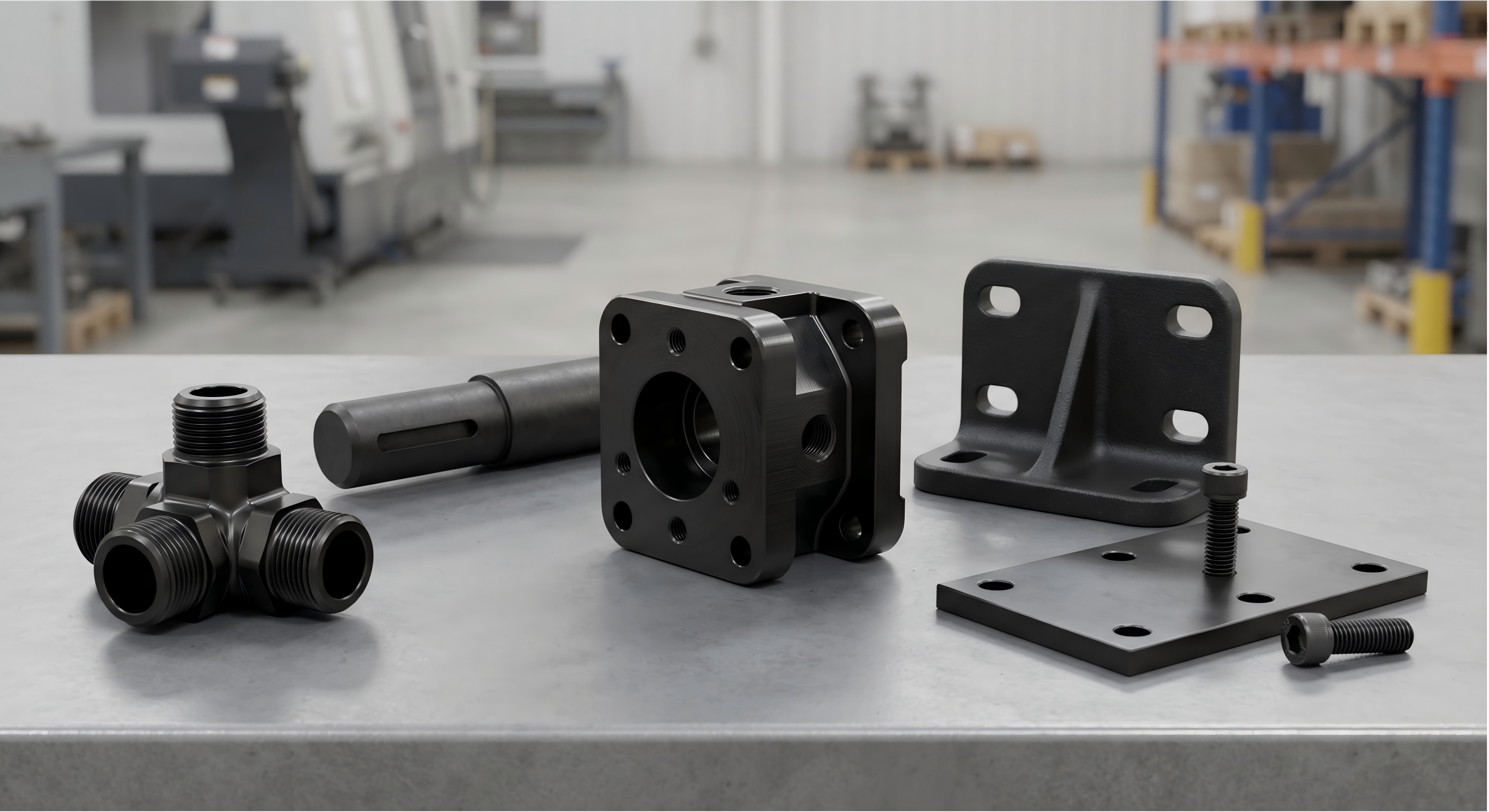
Black finished investment cast and CNC machined metal parts

Black Oxide, PVD & DLC Finish Options

Black surface finishes can be selected according to appearance, corrosion resistance, wear performance, dimensional sensitivity and cost requirements.

Options may include black oxide, black PVD, DLC and other black coating systems depending on the base material and application. For functional parts, the required wear resistance and service environment should be evaluated together with appearance requirements.
Best for: stainless steel parts, carbon steel parts, hardware components, visible assemblies, custom black finished components.
Not Sure Which Finish Is Suitable?
Send us your drawing, material grade, working environment, appearance requirement and any critical surfaces that need protection. Our team can review the available finishing options together with your casting and machining requirements.

How to Choose the Right Surface Finish

The best surface finish depends on the base material, part geometry, required appearance, tolerance sensitivity, corrosion environment and final application. The table below provides a practical starting point for selecting a finishing direction.

RequirementRecommendedMaterialsNotes
Remove casting scale / uniform matte finishShot blasting, bead blastingStainless steel, carbon steel, alloy steelCommon surface preparation before machining, passivation or coating
Stainless steel corrosion protectionPickling, passivation, electropolishingStainless steel, duplex stainless steelCommonly used for corrosive, marine and fluid-handling environments
Smooth or decorative stainless steel appearancePolishing, brushing, bead blasting, PVDStainless steelAppearance-critical finishes should be confirmed using approved samples
General black appearanceBlack oxide, E-coating, black PVDCarbon steel, stainless steel, alloy steelSelection depends on material, appearance and corrosion requirements
Higher wear-resistant black finishBlack PVD, DLCStainless steel, alloy steel and suitable steel componentsSuitable where wear performance is more important than decorative appearance alone
Corrosion or surface protectionZinc plating, nickel plating, electroless nickel, protective coatingsCarbon steel, alloy steelCoating thickness and critical dimensions should be considered before production
Colored or outdoor finishPowder coating, E-coatingCarbon steel, alloy steel and steel hardwareSuitable for larger visible surfaces and protective finishes

Surface Finishing by Material

Different casting materials respond differently to finishing processes. Selecting the right finish together with the right material helps avoid poor appearance, unnecessary cost, coating failure or corrosion issues.

Stainless Steel

Common finishing options include passivation, bead blasting, polishing, brushing, electropolishing and PVD. The appropriate finish depends on corrosion resistance, appearance, cleanliness and service requirements.

Duplex Stainless Steel

Duplex stainless steel parts used in marine, petrochemical and corrosive environments often require controlled cleaning, pickling and passivation to maintain a clean surface and corrosion performance.

Carbon Steel

Carbon steel normally requires additional surface protection where rust resistance is important. Options may include black oxide, zinc plating, nickel plating, powder coating, E-coating or other protective coatings depending on the application.

Alloy Steel

Alloy steel components may require protective, wear-resistant or black finishing after heat treatment and machining. Suitable options can include black oxide, plating, coating, PVD or DLC depending on the alloy grade and operating conditions.

Heat-Resistant Steel

Heat-resistant steel parts are mainly selected for elevated-temperature applications. Surface finishing should therefore be selected according to alloy grade, operating temperature and oxidation conditions rather than appearance alone.

Typical options may include controlled blasting, grinding and project-specific protective treatments where appropriate.

Wear-Resistant Steel

Wear-resistant steel components are commonly used where abrasion, impact or repeated mechanical contact is the primary concern.

Surface treatment should be selected together with material hardness, heat-treatment condition and actual wear mechanism. Blasting, grinding and project-specific protective or wear-resistant coatings may be considered when required.

Typical Cast and Machined Parts Requiring Surface Finishing

Surface finishing requirements vary across different industries depending on corrosion exposure, wear conditions, appearance, assembly requirements and operating environment.

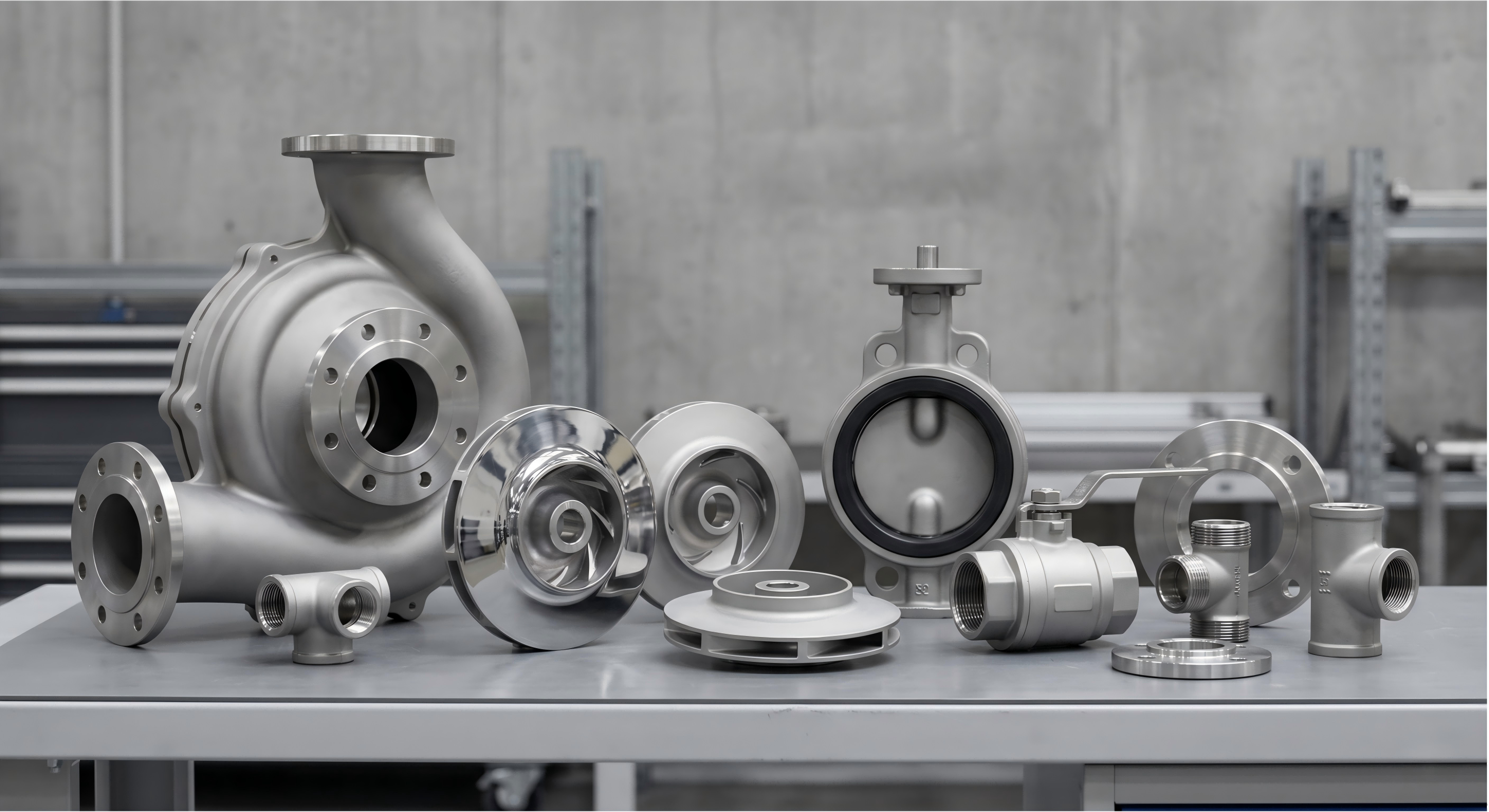
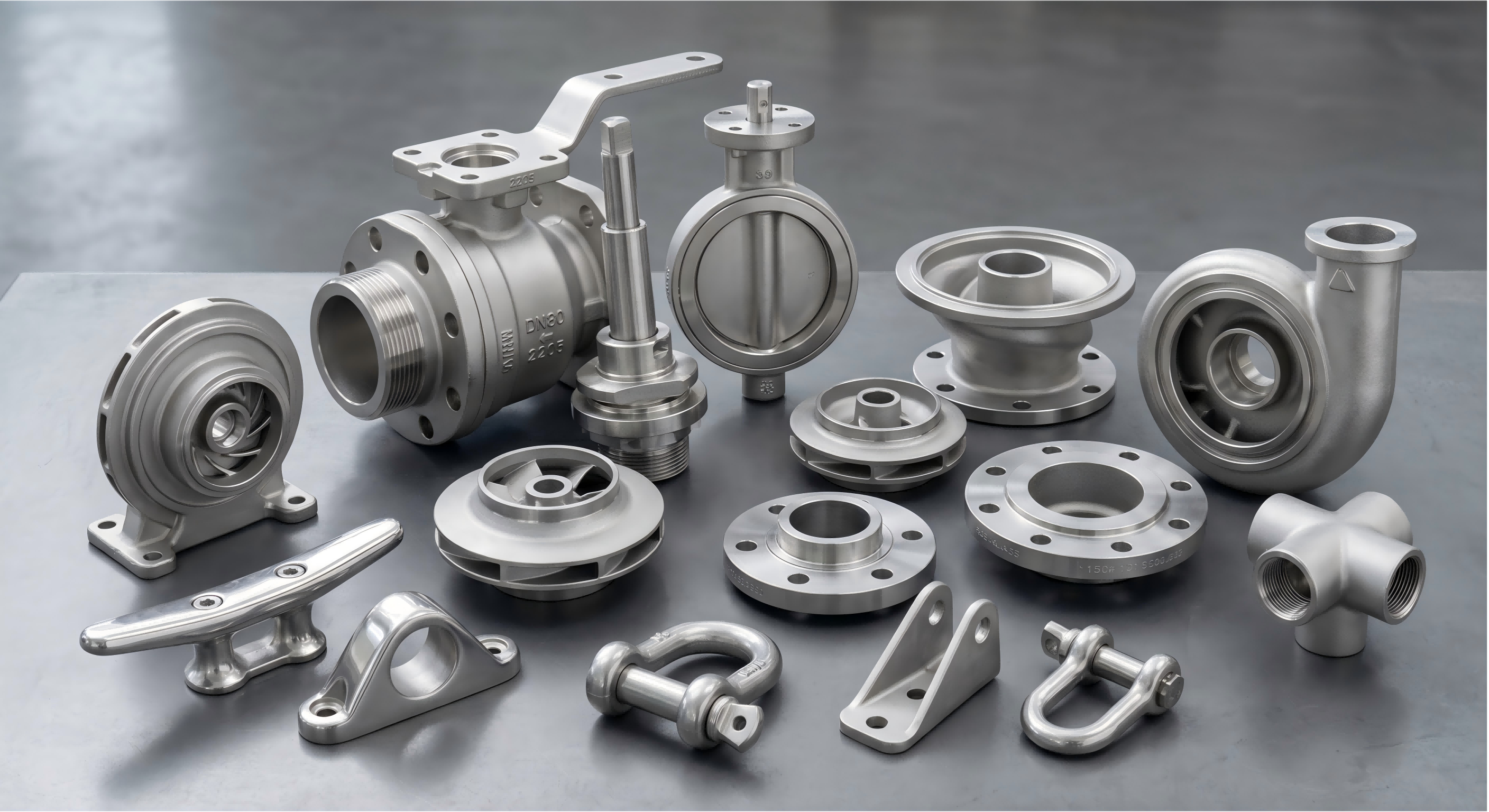
Surface finished pump and valve investment cast components

Pump & Valve Components


Blasting, pickling, passivation, polishing and protective coatings are commonly used for valve bodies, pump housings, impellers, fittings and other fluid-handling components.
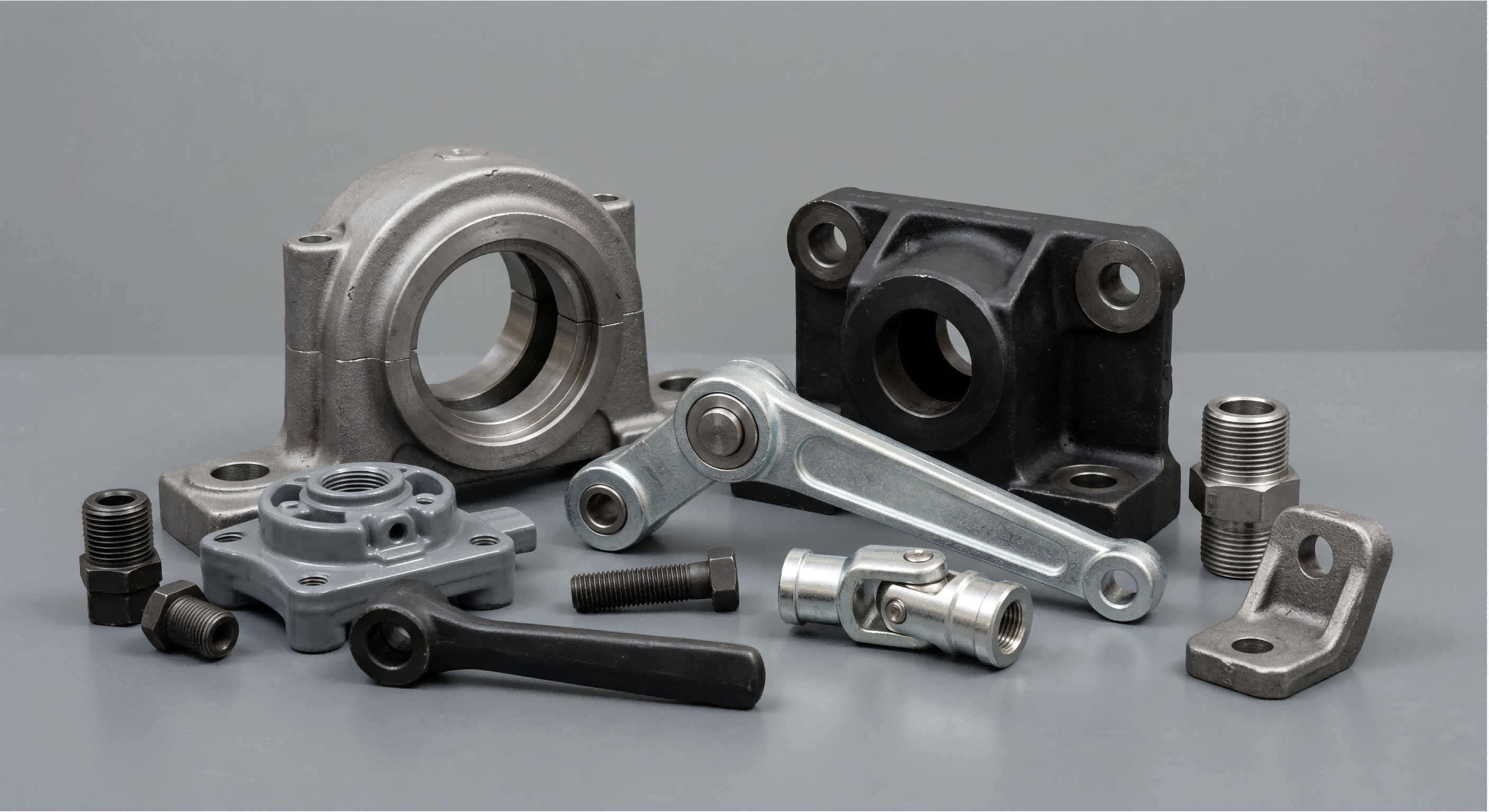
Surface finished industrial machinery cast and machined parts

Industrial Machinery Parts


Machinery components may require blasting, black oxide, plating, coating or wear-resistant finishing to improve surface protection and service performance.
Surface finished marine and petrochemical investment cast parts

Petrochemical & Marine Components

Components exposed to chemicals, moisture, saltwater or corrosive media may require stainless steel passivation, duplex stainless steel surface cleaning or other corrosion-resistant finishing.
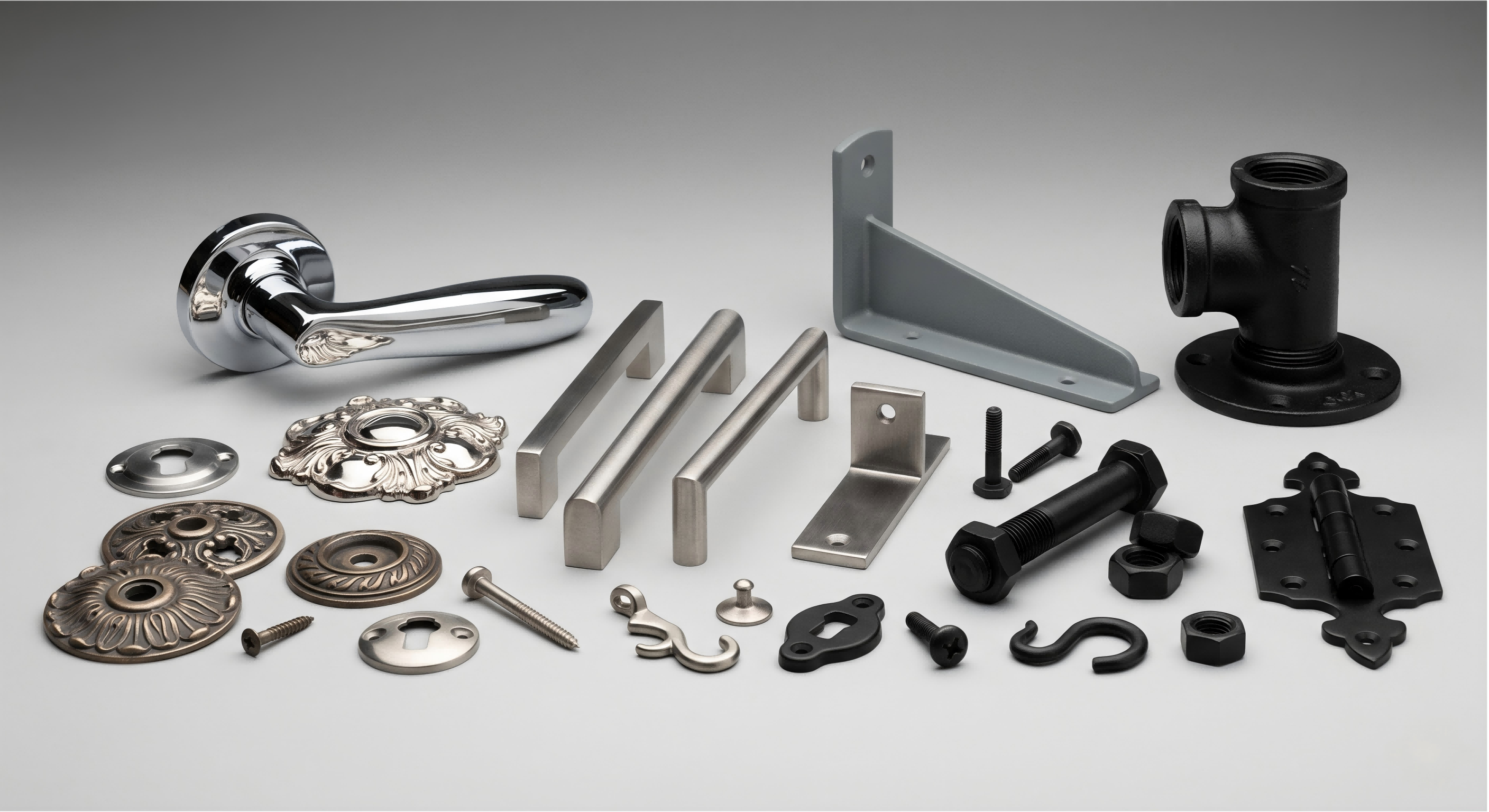
Polished and coated hardware investment cast parts

Hardware & Architectural Parts

Visible hardware and architectural components may require polishing, brushing, plating, powder coating, PVD or other decorative finishes to meet both functional and appearance requirements.
Polished and passivated medical equipment metal components

Transportation Components

Transportation components may require corrosion protection, durable black finishes, plating or coating depending on exposure, assembly conditions and appearance requirements.
Surface finished CNC machined investment cast parts

Power & Instrumentation Components

Power and instrumentation components may require controlled blasting, passivation, plating, polishing or protective coatings where surface cleanliness, corrosion resistance and dimensional control are important.

How Surface Finishing Is Integrated Into Production

Surface finishing examples for stainless steel, carbon steel and alloy steel cast parts
Step 1

Finish Requirement Review

We review the material grade, required finish, appearance standard, corrosion or wear requirement and working environment.
Step 2

Surface Preparation

Cast and machined parts are cleaned, blasted, pickled, polished or otherwise prepared according to the selected finishing process.
Step 3

Critical Surface Protection

Threads, sealing faces, bores, machined datums and tight-tolerance areas are identified and protected where required.
Step 4

Surface Finishing

The selected plating, coating, passivation, polishing, black finish or other surface treatment is applied according to the agreed requirement.
Step 5

Finish & Dimensional Verification

Appearance, color, texture, surface condition and critical dimensional areas are checked against drawings, specifications or approved samples.
Step 6

Packing Protection

Finished components are separated, wrapped or otherwise protected to reduce scratching, contact damage and corrosion risk during transportation.

Quality Control for Surface Finished Parts

Surface-finished parts are inspected against drawings, approved samples and agreed finishing requirements. In addition to overall appearance, inspection focuses on critical machined areas, threads, sealing surfaces, coating coverage, finish consistency and packing protection.

Appearance Check

Surface color, gloss, texture, scratches and visible defects are checked before packing.

Critical Area Protection

Threads, sealing surfaces, bores, machined datums and tight-tolerance areas are protected or controlled during finishing where required.

Coating & Finish Consistency

For plated, coated, polished or black-finished components, approved samples can be used as the visual reference when appearance is critical.

Packing Protection

Finished parts can be individually wrapped, separated or protected using suitable packaging to reduce scratches and contact damage during transportation.

FAQ: Surface Finishing for Investment Cast Parts

Below are common questions customers ask when selecting surface finishing options for investment cast and CNC machined metal parts.

Q1: What surface finishing options can be used for investment cast parts?


A: Common options include shot blasting, bead blasting, pickling, passivation, polishing, brushing, electropolishing, zinc or nickel plating, electroless nickel plating, powder coating, E-coating, black oxide, PVD and other project-specific coatings. The suitable process depends on material, geometry, dimensional tolerance, appearance, corrosion resistance and working environment.

Q2: Can stainless steel investment castings be polished?


A: Yes. Stainless steel investment castings can be polished or brushed when a smoother and cleaner appearance is required. However, the final result depends on the casting surface condition, part geometry, required roughness and whether the surface will be visible in the final product.

Q3: What is the best surface finish for stainless steel castings?


A: There is no single best finish for all stainless steel parts. Passivation is commonly selected for corrosion protection, while bead blasting, polishing and brushing are often used to control appearance. Electropolishing may be considered where a smoother and cleaner surface is required, while PVD or DLC may be considered for specific decorative or wear-performance requirements.

Q4: Can stainless steel castings be made black?


A: Yes. Black finishes for stainless steel may include black PVD, DLC and other suitable coating systems. The best option depends on the required appearance, wear resistance, corrosion environment, dimensional tolerance and cost target.

Q5: Should surface finishing be done before or after CNC machining?


A: In most cases, CNC machining is completed before the final surface finishing process. This helps protect critical machined dimensions, threads, sealing surfaces and mounting areas. However, some cleaning, blasting, pickling or pre-finishing steps may be done before machining depending on the casting condition and process plan.

Q6: What surface finish is suitable for carbon steel cast parts?


A: Carbon steel cast parts usually require protective finishing because they are more prone to rust than stainless steel. Common options include black oxide, zinc plating, nickel plating, powder coating, painting or other protective coatings depending on the corrosion environment and appearance requirement.

Q7: What is the difference between blasting and passivation?


A: Blasting is a mechanical cleaning process used to remove scale, oxide layers and surface residues while creating a uniform matte texture. Passivation is a chemical process mainly used for stainless steel to improve corrosion resistance by removing free iron and supporting the formation of a protective surface layer.

Q8: Can powder coating be used on cast metal parts?


A: Yes. Powder coating is commonly used for carbon steel, alloy steel and steel hardware components where corrosion protection, color consistency and surface durability are required.

Q9: Can surface finishing affect part dimensions?


A: Yes. Some finishing processes add coating thickness or slightly change the surface condition. Plating, powder coating, PVD and other coating processes may affect tight-tolerance areas, threads, bores or sealing surfaces. These areas should be clearly marked on the drawing so they can be protected or controlled during finishing.

Q10: What information should we provide when requesting a surface finish?


A: It is helpful to provide the part drawing, material grade, required finish type, surface roughness if applicable, color or appearance sample, corrosion resistance requirement, working environment and any critical surfaces that must be protected during finishing.

Related Capabilities for Finished Cast Parts

Investment Casting

Precision investment casting for stainless steel, carbon steel, alloy steel, duplex stainless steel, heat-resistant steel and wear-resistant steel components.

Tooling & 3D Printing

Support for production tooling, wax patterns and rapid prototype casting before mass production.

CNC Machining

Machining support for critical dimensions, threads, bores, sealing surfaces and assembly areas.

Heat Treatment

Heat treatment support for hardness, strength, wear resistance and mechanical performance requirements.
banner

Custom Surface Finishing for Cast & Machined Parts


Send us your drawing, material grade, quantity, required finish, working environment or reference sample.


Our team can review the surface finishing requirements together with casting, CNC machining, critical dimensions and final inspection to recommend a practical production solution.


·  Finish selection based on material, application and service environment
• Blasting, passivation, polishing, plating, coating and black finish options
• Protection of threads, sealing surfaces and tight-tolerance machined areas
• Sample confirmation available when color, gloss or appearance is critical.
• Integrated casting, CNC machining, finishing, inspection and packing support


CONTACT US

Send Us Your Finish Requirement

Please share your drawing, material grade, quantity, required finish, working environment and any appearance or critical-surface requirements. Our team will review the casting, machining and surface finishing requirements together.
Request a Quote