Have you ever wondered how complex metal parts are made? Understanding the difference between casting and investment casting is crucial for effective manufacturing and design.
In this article, we’ll explore what sets these two processes apart. You’ll learn about their applications, advantages, and how they impact the quality of casting parts.
Foshan Zeren Precision Casting Co., Ltd. is a leading manufacturer in both methods, ensuring high-quality solutions for various industries.
Understanding Casting
Definition of Casting
Casting is a manufacturing process where molten material is poured into a mold to create a specific shape. This method allows for the production of complex geometries that would be difficult or impossible to achieve through other manufacturing techniques.
There are several types of casting methods commonly used in the industry:
● Sand Casting: This is one of the oldest and most versatile forms of casting. It uses sand as the mold material, which can be reused for multiple castings.
● Die Casting: This method involves forcing molten metal into a mold under high pressure, ideal for high-volume production of small parts.
● Investment Casting: Known for its precision, this method uses a wax pattern that is coated in ceramic to create a mold.
Each method has its unique advantages and is suitable for different applications.
Common Applications of Casting Parts
Casting is widely utilized across various industries due to its versatility. Here are some of the key sectors that rely on casting:
● Automotive: Engine blocks, transmission cases, and other critical components are commonly produced using casting methods. These parts must meet strict specifications for performance and durability.
● Aerospace: Components like turbine housings and structural parts require high precision and reliability, making casting essential in this field.
● Machinery: Large machinery components, such as gears and housings, benefit from casting's ability to create robust parts that can withstand heavy loads.
Industry | Common Casting Parts |
Automotive | Engine blocks, transmission cases |
Aerospace | Turbine housings, structural parts |
Machinery | Gears, housings |
Advantages of Casting
Casting offers several significant advantages, making it a preferred choice for many manufacturers:
● Cost-Effectiveness: For large production volumes, casting is often more economical than other methods. The initial investment in molds can be high, but the cost per part decreases as production increases.
● Material Versatility: Casting can accommodate a wide range of materials, including stainless steel, carbon steel, and various alloys. This flexibility allows manufacturers to choose the best material for their specific needs.
● Simplicity in Production: Casting is particularly effective for producing large and simple shapes. The process can easily scale to create parts of varying sizes without significant changes in tooling.
In summary, casting is a foundational manufacturing process that plays a crucial role in producing high-quality casting parts across various industries. Its versatility, cost-effectiveness, and ability to create complex shapes make it a vital choice for manufacturers like Foshan Zeren Precision Casting Co., Ltd., which specializes in both casting and investment casting solutions.
Understanding Investment Casting
Definition of Investment Casting
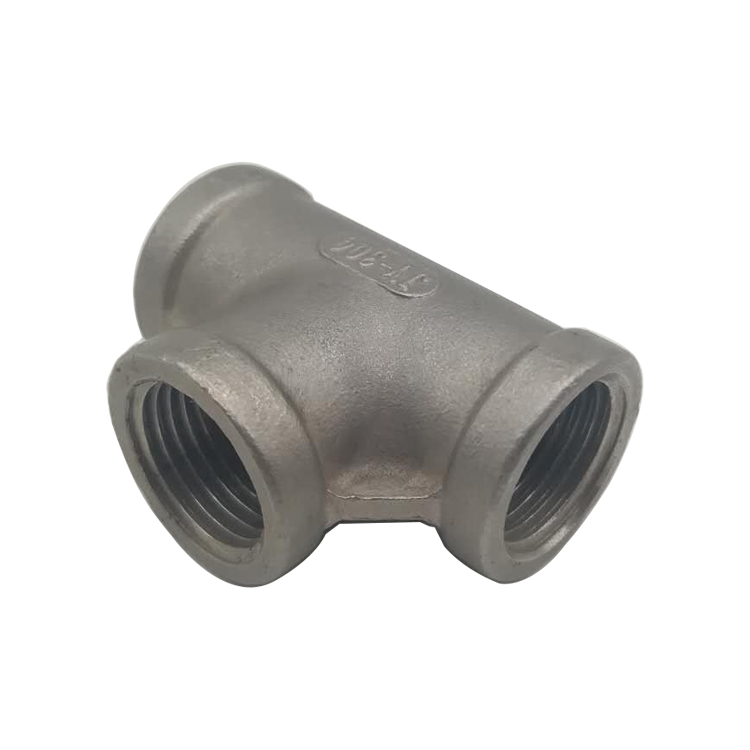
Investment casting, often referred to as the lost wax process, is a precise method for creating complex metal parts. It involves creating a wax model of the desired part, which is then coated in a ceramic material to form a mold. Once the mold is set, the wax is melted away, leaving a hollow cavity in the shape of the part.
Materials Used in Investment Casting:
● Wax Patterns: These are typically made from a high-quality wax that can be easily melted away.
● Ceramic Molds: The ceramic material is used to create a strong and heat-resistant mold that can withstand the pouring of molten metal.
This method allows for exceptional detail and accuracy, making it ideal for intricate designs.
Common Applications of Investment Casting Parts
Investment casting is widely utilized in several industries due to its ability to produce high-precision components. Here are some sectors that benefit significantly:
● Medical: Surgical instruments and implants require high precision and biocompatibility, making investment casting a preferred choice.
● Aerospace: Components like turbine blades and structural parts must meet stringent safety and performance standards, where investment casting excels.
● Precision Machinery: Complex parts such as gears and housings benefit from the intricate designs possible through this process.
Industry | Common Investment Casting Parts |
Medical | Surgical instruments, implants |
Aerospace | Turbine blades, engine components |
Precision Machinery | Gears, housings |
Advantages of Investment Casting
Investment casting offers numerous advantages over traditional casting methods, making it a go-to choice for many manufacturers:
● High Precision and Surface Finish: Parts produced through investment casting can achieve surface finishes as fine as Ra3.2. This level of smoothness is often superior to what traditional methods can offer.
● Intricate Designs: The lost wax process allows for the creation of complex geometries and detailed features. This flexibility means we can produce parts that are not only functional but also aesthetically pleasing.
● Reduced Need for Secondary Machining: Because of the high level of detail and precision, many investment cast parts require little to no additional machining. This reduction in post-processing enhances overall production efficiency.
Manufacturers like Foshan Zeren Precision Casting Co., Ltd. leverage these advantages to deliver high-quality casting parts tailored to meet specific industry needs. The combination of precision, material versatility, and cost-effectiveness makes investment casting an essential process in modern manufacturing.
Key Differences Between Casting and Investment Casting
Process Comparison
Understanding the processes behind casting and investment casting is essential for manufacturers. Each method has its unique steps that cater to different production needs. Here's a detailed look at how each method works:
1. Casting Process:
● Mold Creation: A mold is formed using sand or metal, which can be reused multiple times in sand casting.
● Melting: Metal is melted in a furnace and poured into the mold. This step requires careful temperature control to ensure proper flow and solidification.
● Cooling: The metal cools and solidifies within the mold. Cooling times can vary significantly based on part thickness and material type.
● Finishing: After cooling, the casting is removed from the mold. This may require additional machining to achieve desired tolerances and surface finishes.
2. Investment Casting Process:
● Pattern Creation: A wax pattern of the part is made, which accurately reflects the final product's dimensions and details.
● Mold Coating: The wax pattern is coated in a ceramic material, creating a shell that can withstand high temperatures.
● Wax Removal: The mold is heated to melt away the wax, leaving a hollow cavity in the shape of the part. This step is crucial for achieving high precision.
● Metal Pouring: Molten metal is poured into the mold, filling the cavity left by the wax.
● Cooling and Finishing: The metal cools and solidifies. After cooling, the ceramic mold is broken away, revealing the finished part.
Here’s a visual representation to illustrate these differences:
Step | Casting | Investment Casting |
Mold Creation | Sand or metal molds | Wax patterns coated in ceramic |
Melting | Metal poured directly | Wax melted away before pouring |
Cooling | Takes longer due to thickness | Faster cooling due to thin walls |
Finishing | May require extensive machining | Often requires little to no machining |
Advanced Technology: Zeren utilizes advanced silica sol technology in its investment casting process. This innovation enhances both precision and surface finish, allowing for tighter tolerances and better overall quality in casting parts.
Material and Design Flexibility
Material compatibility plays a significant role in the choice between casting and investment casting. Each method has its strengths:
● Casting: Typically uses a variety of metals, including aluminum, iron, and some alloys. While this method is versatile, it may not support high-performance alloys as effectively as investment casting.
● Investment Casting: This method excels in using high-performance alloys, such as titanium and nickel-based alloys. These materials are often required in demanding applications where strength, weight reduction, and corrosion resistance are critical.
Design Complexity: Investment casting shines in accommodating intricate designs and complex geometries. This capability is particularly beneficial in industries like aerospace and medical, where precision is crucial. For example, turbine blades produced through investment casting have complex cooling channels that enhance performance and efficiency.
Cost and Production Considerations
Cost is a major factor when choosing between casting and investment casting. Here’s a breakdown of the financial implications of each method:
● Initial Costs: Investment casting usually has higher upfront costs due to the need for wax patterns and ceramic molds. The initial investment can be significant, especially for custom designs. However, this investment pays off in the long run due to the efficiencies gained.
● Long-Term Savings: While casting may seem cheaper initially, investment casting often results in lower overall costs for precision parts. Fewer secondary operations are required, which means reduced labor and material costs over time.
● Production Volumes:
○ Casting: Ideal for high-volume production of simpler parts, making it suitable for mass manufacturing.
○ Investment Casting: More flexible for low to medium production volumes, making it suitable for specialized applications where quality and precision are paramount.
Cost Factor | Casting | Investment Casting |
Initial Costs | Lower initial investment | Higher upfront costs |
Long-Term Savings | Varies depending on complexity | Generally lower overall costs |
Production Volume | High volume, simple parts | Low to medium volume, complex parts |
Choosing the right method depends on your specific needs and applications. Companies like Foshan Zeren Precision Casting Co., Ltd. provide expertise in both casting and investment casting, ensuring you find the best solution for your casting parts. Their experience in handling diverse materials and complex designs makes them a valuable partner in your manufacturing journey.
Quality and Finish
Surface Finish Comparison
When it comes to casting, the surface finish is a critical factor that can impact both functionality and aesthetics. The expected surface finishes for traditional casting methods and investment casting can differ significantly.
● Casting: Typically achieves a rougher finish, often requiring additional machining or surface treatment to meet specific requirements. The average surface finish in traditional casting can range from Ra 125 to Ra 250, depending on the method used.
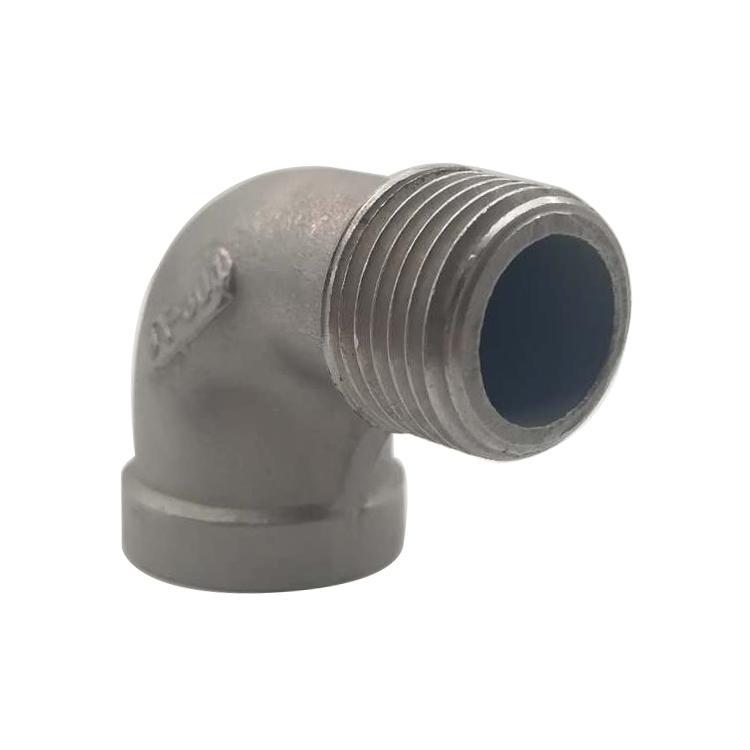
● Investment Casting: Known for its superior surface finish, investment casting can achieve smooth finishes as fine as Ra 3.2. This level of smoothness is particularly beneficial for parts that require a polished appearance or are used in visible applications, such as decorative components or precision instruments.
Zeren’s investment casting technology exemplifies this quality. Their process not only ensures high precision but also results in a surface finish that is ideal for aesthetic applications. This capability allows manufacturers to reduce the need for secondary processing, saving time and costs.
Tolerances and Precision
Dimensional accuracy is another area where investment casting typically outperforms traditional casting methods. Here’s how the two compare:
● Casting: While traditional casting can achieve reasonable tolerances, they usually range from ±0.005 to ±0.010 inches. This can be sufficient for many applications, but may not meet the stringent requirements of high-precision industries.
● Investment Casting: This method excels in achieving tighter tolerances, often within ±0.003 to ±0.005 inches. Such precision is crucial for applications in aerospace, medical devices, and other sectors where even minor deviations can lead to significant issues.
Method | Surface Finish (Ra) | Tolerances (inches) |
Traditional Casting | Ra 125 to Ra 250 | ±0.005 to ±0.010 |
Investment Casting | Ra 3.2 to Ra 32 | ±0.003 to ±0.005 |
The choice of casting method often hinges on the required tolerances. For instance, if a project demands high precision and a smooth finish, investment casting becomes the clear choice. This is particularly true for parts like turbine blades or surgical instruments, where accuracy and surface quality are paramount.
Manufacturers like Foshan Zeren Precision Casting Co., Ltd. leverage these advantages in their investment casting processes to produce high-quality casting parts that meet the rigorous standards of various industries. Their commitment to quality ensures that clients receive components that not only fit perfectly but also perform reliably in their applications.
Conclusion
In summary, casting and investment casting differ significantly in processes, surface finishes, and tolerances.
Investment casting offers tighter tolerances and smoother finishes, making it ideal for precision parts.
Consider your specific needs when choosing a method.
For tailored solutions in casting parts, contact Foshan Zeren Precision Casting Co., Ltd. for expert consultation.
FAQ
Q: What are the main advantages of investment casting over traditional casting?
A: Investment casting offers superior surface finishes, tighter tolerances, and the ability to create complex geometries.
Q: Can investment casting be used for high-volume production?
A: Yes, investment casting is suitable for low to medium production volumes but can be adapted for higher volumes.
Q: What types of materials are best suited for each casting method?
A: Traditional casting works well with aluminum and iron, while investment casting excels with high-performance alloys.
Q: How does the cost compare between casting and investment casting?
A: Investment casting has higher initial costs but can lead to lower overall costs due to reduced machining needs.
Q: Are there any limitations to investment casting?
A: Investment casting can be more expensive initially and may not be ideal for very large parts.
Q: How does Zeren ensure quality in their casting processes?
A: Zeren employs advanced technologies and strict quality control measures throughout their casting processes.


