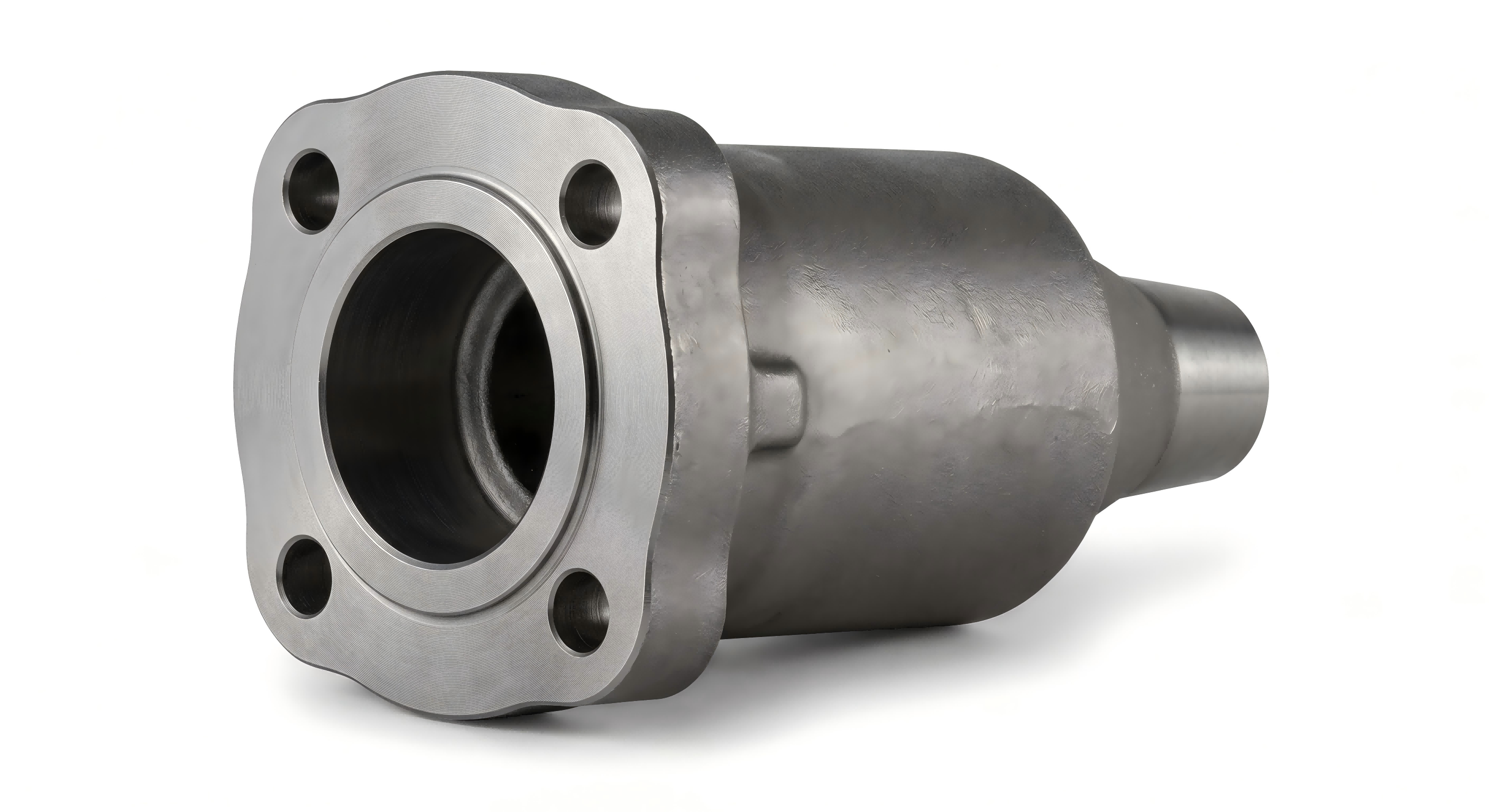
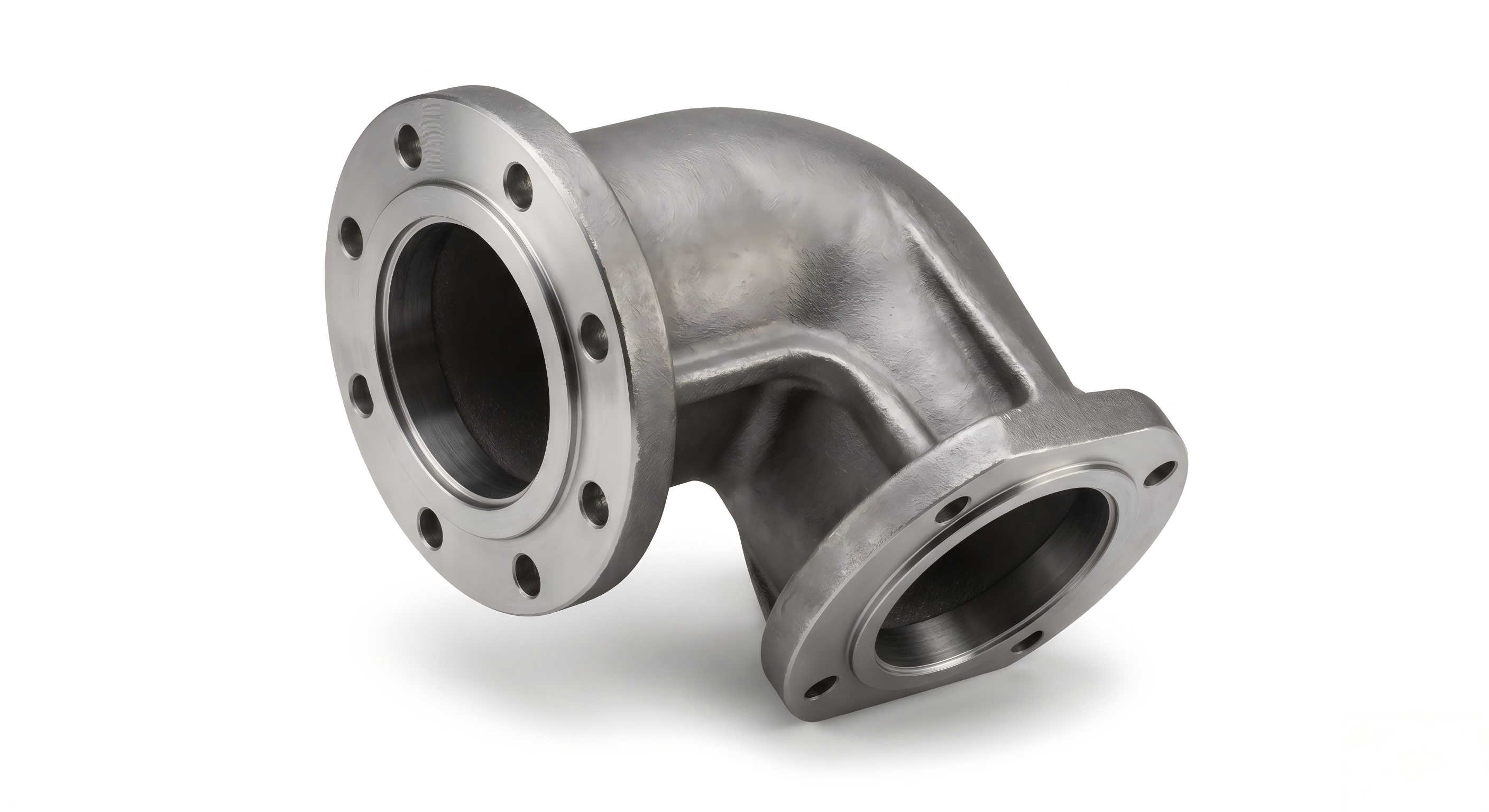
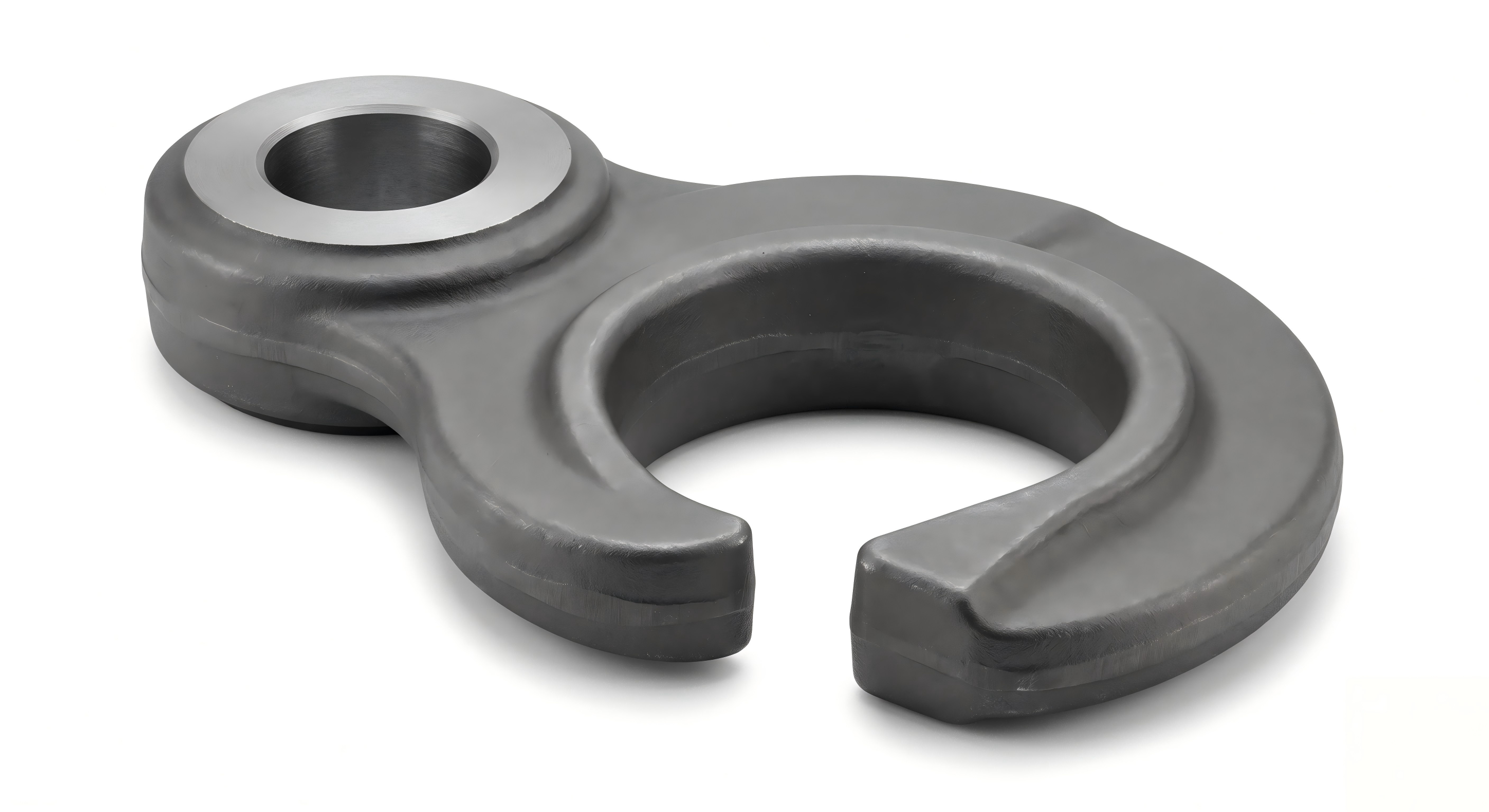
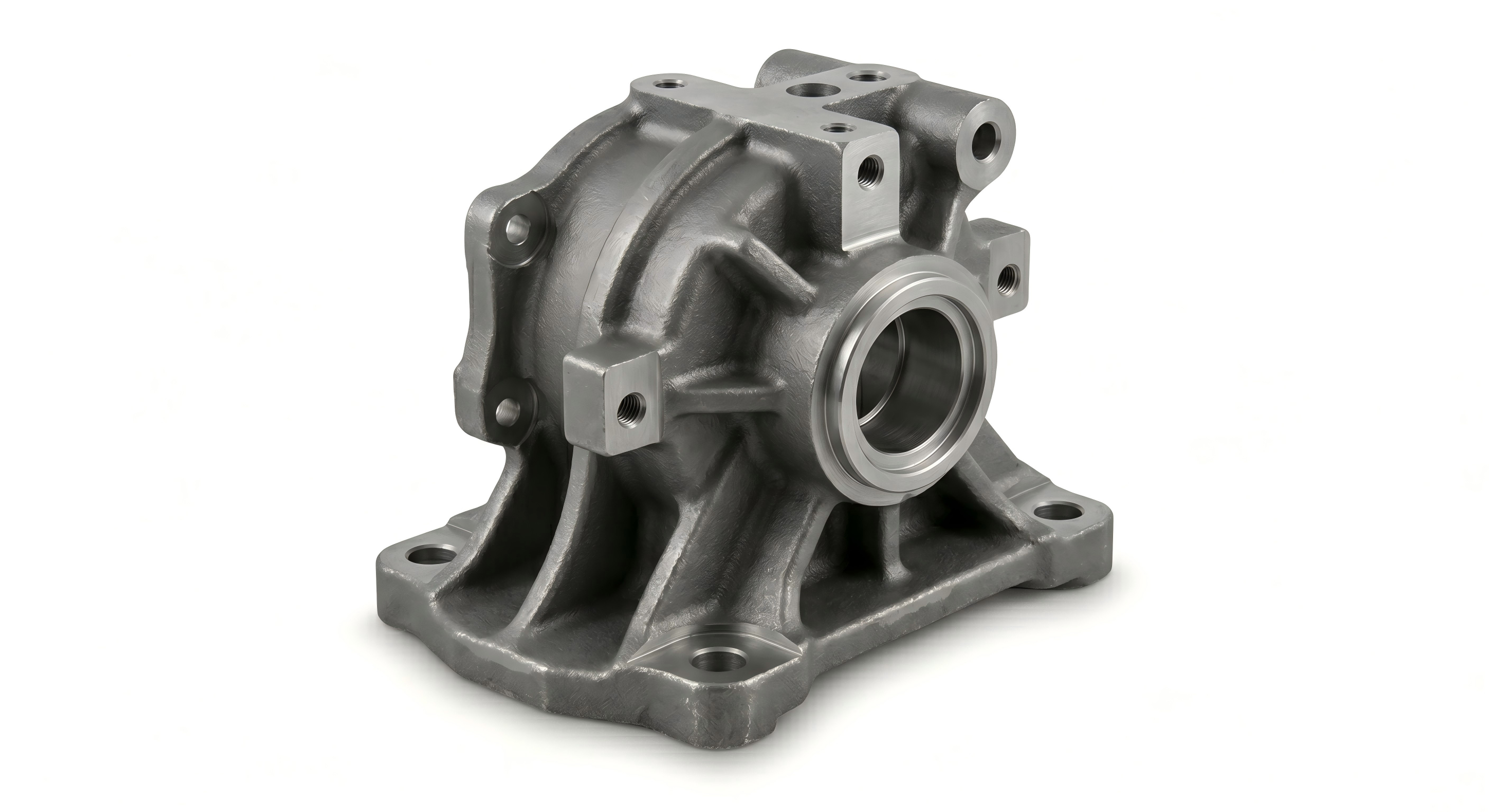
Heat-Resistant Steel Investment Casting


Custom heat-resistant steel investment castings for furnace, burner, exhaust, thermal-processing, and high-temperature industrial applications.


Heat-resistant steel investment casting is suitable for custom metal parts that must work under elevated temperatures, hot gas flow, oxidation, or repeated heating and cooling conditions. At Zeren, we help customers evaluate suitable heat-resistant steel materials according to drawings, working temperature, application environment, machining requirements, and inspection standards.


From casting to CNC machining and surface finishing, we support small and medium-sized custom cast parts used in high-temperature industrial equipment and demanding engineering applications.
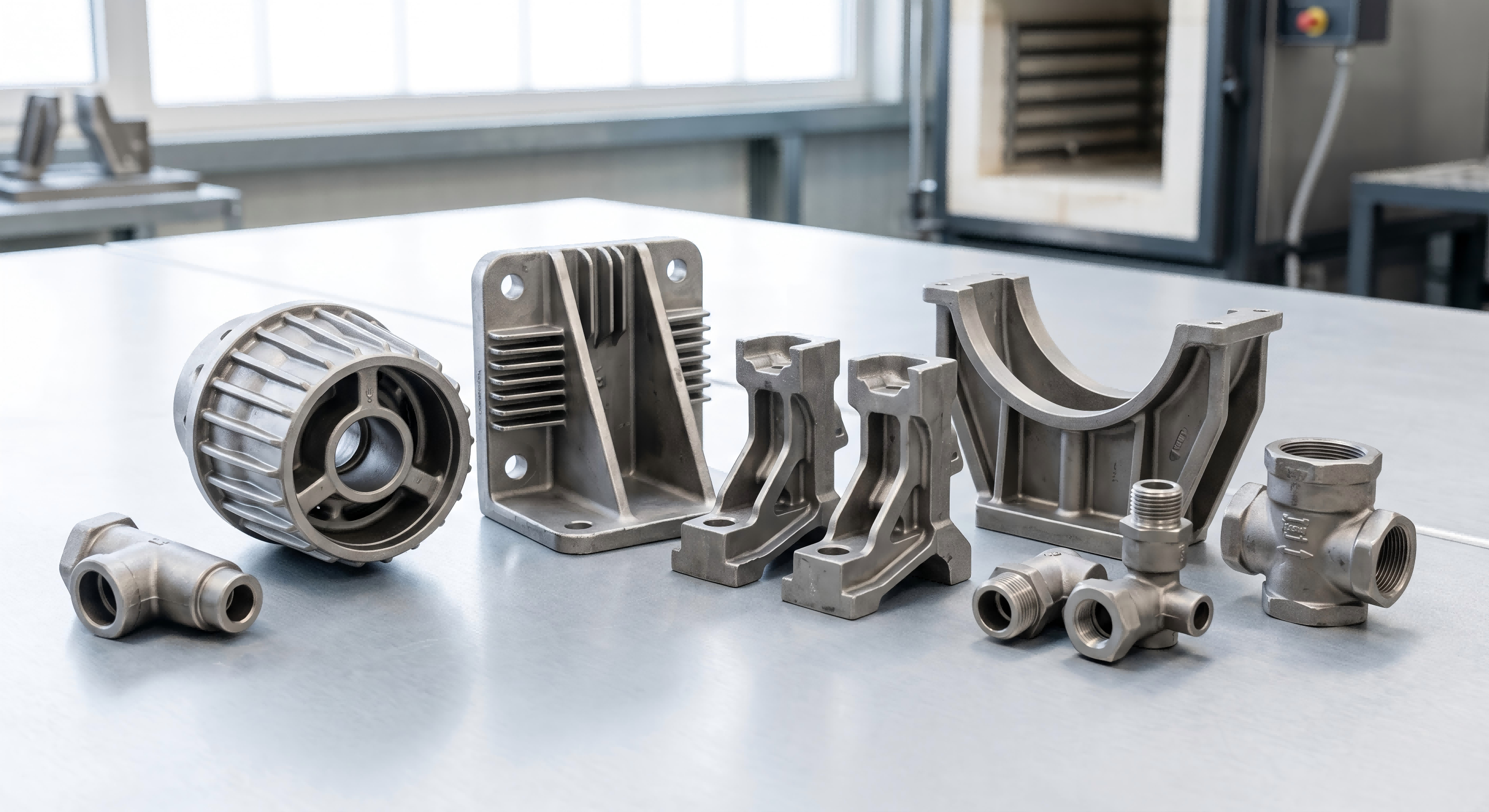
Custom heat-resistant steel investment castings for furnace, burner and high-temperature equipment applications

What Are Heat-Resistant Steel Castings?


Heat-resistant steel castings are metal parts designed for service conditions where ordinary carbon steel or general stainless steel may lose strength, oxidize quickly, deform, or fail due to high temperature exposure. These parts are often used in equipment exposed to hot air, combustion gas, thermal cycling, or continuous elevated-temperature operation.


Compared with standard steel castings, heat-resistant steel parts require more careful material selection, casting process control, machining allowance planning, and inspection. The correct material depends not only on temperature, but also on atmosphere, load, part structure, surface requirement, and whether the component needs further machining after casting.

High-Temperature Exposure
For parts working in elevated-temperature environments.
Oxidation Resistance
For components exposed to hot air or oxidizing atmospheres.
Thermal Cycling
For parts repeatedly heated and cooled during operation.
Complex Cast Geometry
For complex shapes that are difficult to machine from solid material.

Common Applications for Heat-Resistant Steel Castings

Heat-resistant steel investment castings are commonly used in industrial systems where parts are exposed to high temperature, hot gas, oxidation, or repeated thermal loading. Zeren can evaluate custom parts according to drawings, samples, or working conditions.
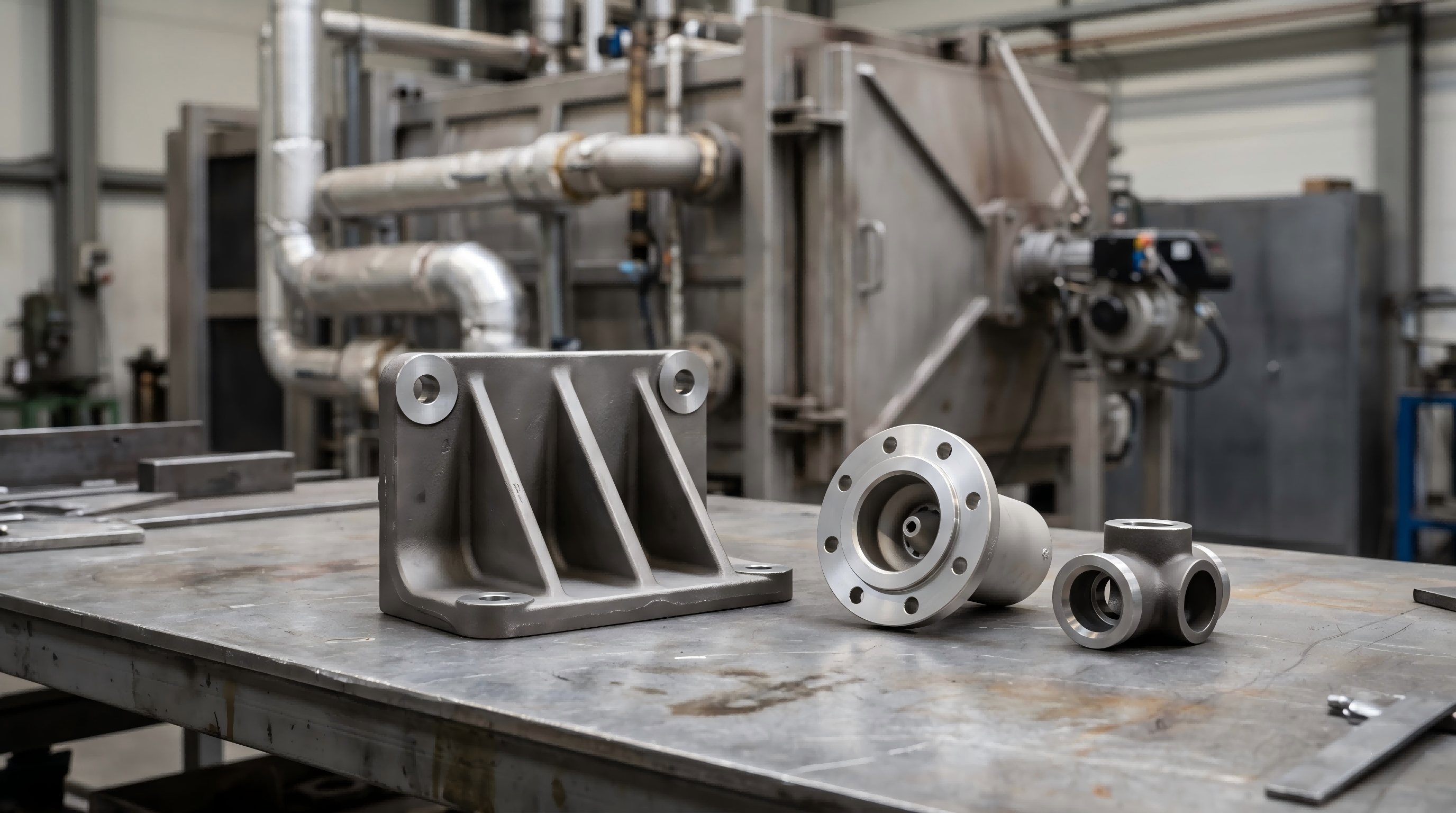
Representative heat-resistant cast steel components used in furnace, burner and hot-gas equipment
Furnace and Heat Treatment Equipment
Heat-resistant cast parts for furnace hardware, heat treatment fixtures, support parts, and components used around high-temperature processing equipment.
Burner and Combustion Components
Custom cast steel parts used in burner assemblies, combustion-related systems, hot gas flow areas, and high-temperature industrial equipment.
Exhaust and Hot Gas Flow Parts
Investment cast parts for exhaust-related components, gas flow parts, brackets, connectors, and custom parts exposed to hot air or thermal cycling.
High-Temperature Power and Thermal Equipment Parts
Non-pressure or drawing-specified cast components can be evaluated according to the applicable project requirements.
Kiln, Oven and Industrial Heating Systems
Custom cast parts for kiln hardware, oven components, heating equipment supports, and industrial thermal processing systems.
Custom High-Temperature Machinery Parts
Heat-resistant cast steel parts for special machinery, fixtures, brackets, and engineered components based on customer drawings.

Key Design and Manufacturing Considerations for Heat-Resistant Steel Castings


Heat-resistant steel casting projects require careful evaluation of both service conditions and manufacturing requirements. Working temperature, working atmosphere, wall thickness and part structure, thermal cycling, machining and tolerance requirements, and inspection requirements all influence material selection, casting feasibility, process planning, and final part quality.

Working Temperature
The continuous service temperature and short-time peak temperature should be provided separately whenever possible. These conditions are important for evaluating material suitability, oxidation resistance, dimensional stability, and expected service performance.
Working Atmosphere
Hot air, combustion gas, steam, carburizing atmospheres, sulfur-containing gas, and other corrosive environments may require different material choices. The operating atmosphere should be evaluated together with temperature and exposure time.
Wall Thickness and Part Structure
Thin walls, sharp corners, sudden section changes, and heavy-to-thin transitions may increase casting and deformation risks. Suitable radii, gradual wall transitions, and machining allowance should be reviewed before production.
Thermal Cycling
Parts exposed to repeated heating and cooling may face thermal fatigue, cracking, distortion, or dimensional changes. Material selection and casting structure should therefore be evaluated according to the expected heating and cooling cycles.
Machining and Tolerance Requirements
Critical machined surfaces, holes, threads, sealing areas, datum features, and tolerance-controlled dimensions should be clearly marked on the drawing. Machining allowance and inspection methods should be confirmed before tooling and production.
Inspection Requirements
Chemical composition, dimensional inspection, hardness testing, visual inspection, and any additional testing or documentation requirements should be confirmed according to the application, drawing, material specification, and order requirements.

Heat-Resistant Steel Materials We Can Evaluate

Material selection for heat-resistant castings should be based on the actual working temperature, atmosphere, mechanical load, thermal cycling, machining requirement, and applicable standard. Zeren can help evaluate suitable heat-resistant steel materials according to customer drawings and project requirements.

Material CategoryExample Grade or SpecificationTypical CharacteristicsApplication Direction
Heat-Resistant Fe-Cr Cast SteelsVerified grades onlyOxidation and scaling resistance at elevated temperaturesFurnace hardware, heat-treatment fixtures
Heat-Resistant Fe-Cr-Ni Cast SteelsASTM A297 grades verified by factoryImproved oxidation resistance and thermal stabilityBurner parts, kiln parts, hot-gas components
25Cr-20Ni Type Cast GradesHK-type or customer-specified equivalentSuitable for high-temperature oxidizing environmentsFurnace and combustion components
Higher-Nickel Heat-Resistant Cast GradesOnly grades confirmed by engineeringImproved thermal cycling and carburization resistanceDemanding thermal-processing equipment
Customer-Specified Heat-Resistant GradesASTM, EN, JIS or drawing specificationEvaluated according to drawings and working conditionsCustom OEM castings
Final material selection should be based on the specified casting standard, continuous and peak service temperature, working atmosphere, mechanical load, thermal cycling, part structure, and inspection requirements. Material availability and casting feasibility are subject to engineering review.

Why Investment Casting Works Well for Heat-Resistant Steel Parts


Investment casting is suitable for many heat-resistant steel components because it can produce complex shapes, near-net cast geometry, and smaller custom parts with reduced machining compared with billet machining or fabrication.

Complex Geometry
Investment casting can produce complex shapes such as nozzles, brackets, supports, flow passages, and irregular high-temperature components.
Reduced Machining from Solid
For heat-resistant steel parts that are difficult or expensive to machine from solid bar or plate, investment casting can reduce material waste and machining time.
Suitable for Custom Parts
The process is suitable for custom parts made according to drawings, samples, or specific industrial equipment requirements.
Good Surface and Detail Capability
Compared with many rough casting methods, investment casting can provide better surface detail and more accurate cast features for small and medium-sized components.
Near-Net Shape and Consistent Features
Near-net casting can reduce excess material, simplify subsequent machining, and help maintain consistent features across repeat production batches.

Representative Heat-Resistant Steel Cast Parts

Zeren supports custom heat-resistant steel investment castings for industrial heating and thermal-processing equipment. The following examples represent typical component types that can be evaluated according to customer drawings, material specifications, service temperature, working atmosphere, part structure, and inspection requirements.
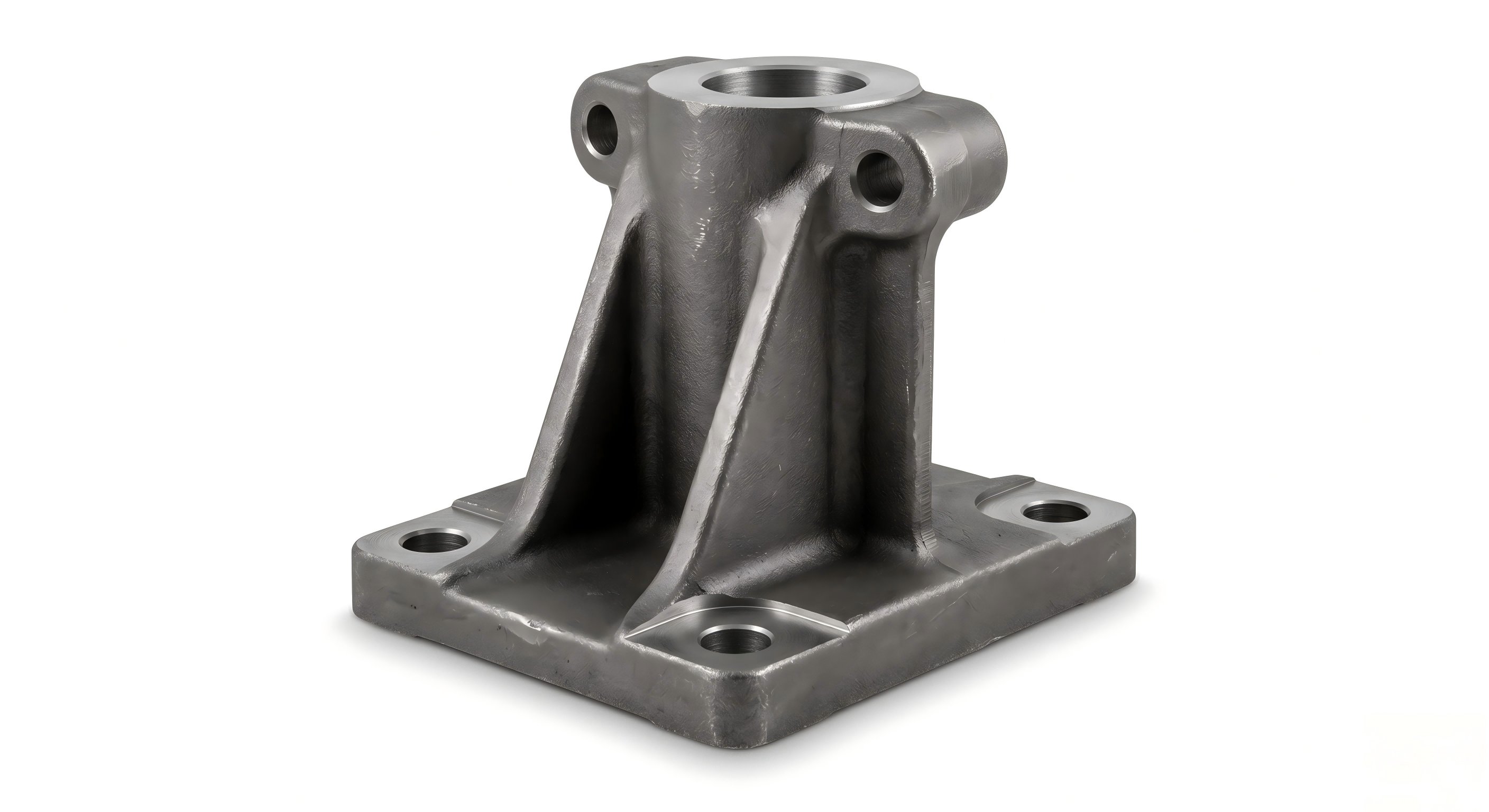
Custom heat-resistant cast steel furnace fixture and reinforced support bracket
Furnace Fixtures and Support Parts
Custom cast steel parts used in furnace systems, heat treatment equipment, and high-temperature support structures.
Custom heat-resistant steel investment cast burner nozzle with machined flange and flow passage

Burner Nozzles and Combustion Parts

Investment cast nozzles, burner tips, fittings, and combustion-related components exposed to flame, hot airflow, combustion gas, oxidation, and repeated temperature changes.
Custom heat-resistant cast steel exhaust and hot-gas flow component with machined flanges

Exhaust and Hot-Gas Flow Components

Custom cast housings, connectors, flow-guiding parts, mounting components, and other parts used in exhaust or hot-gas systems where heat resistance and thermal stability are required.
Custom cast steel heat-treatment fixture hook and hanger for high-temperature processing
Heat-Treatment Fixtures, Hooks and Hangers
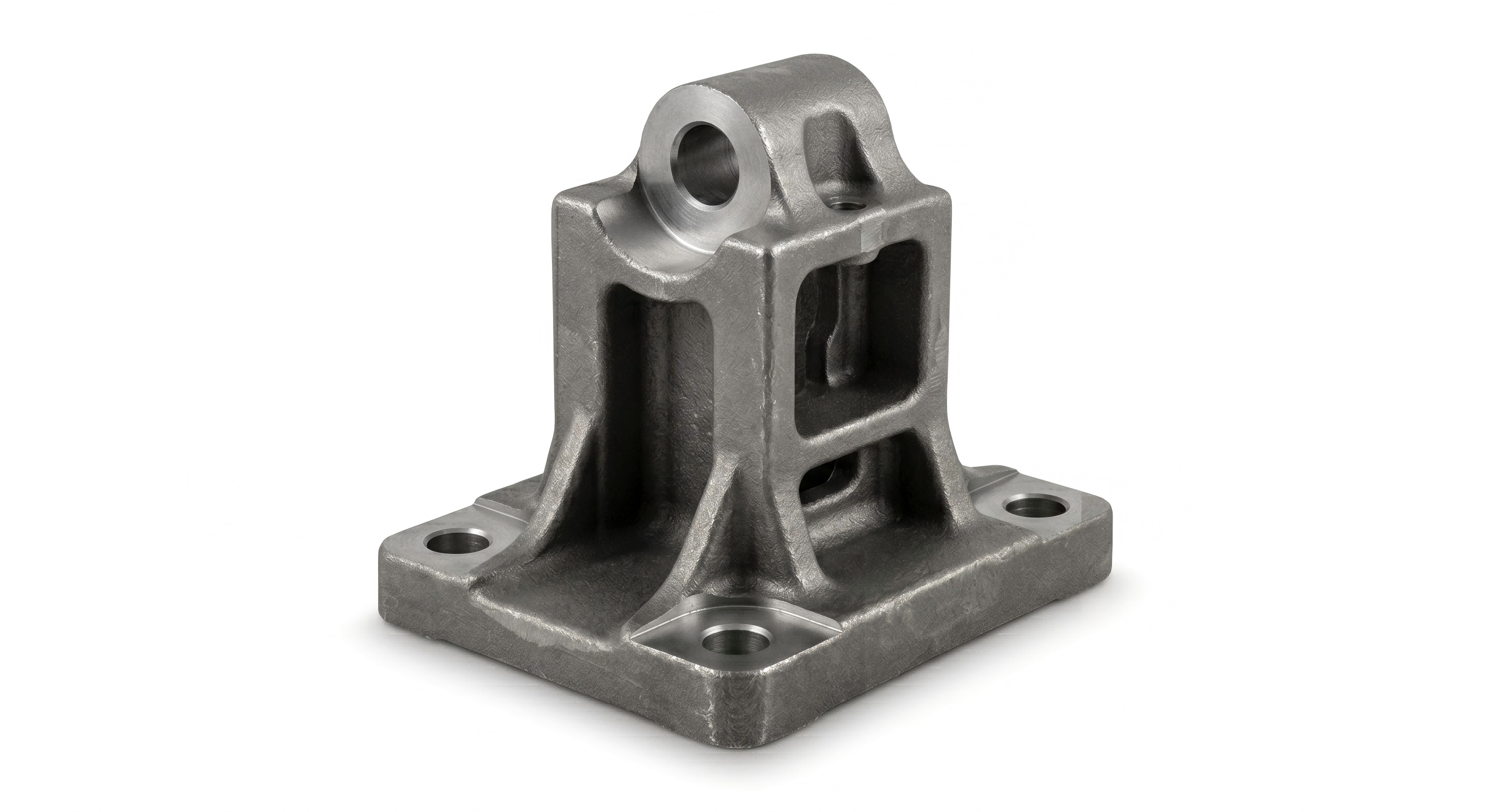
Custom fixture components, hooks, hangers, holders, and loading supports used to position or carry parts during heat-treatment and other high-temperature processing operations.
Custom heat-resistant cast steel kiln and industrial oven mounting hardware

Kiln and Oven Hardware

Custom cast parts for industrial ovens, kilns, heating systems, and thermal processing equipment.
Custom heat-resistant steel investment cast component for high-temperature industrial equipment

Custom High-Temperature Equipment Parts

Drawing-based cast components for specialized thermal machinery, engineered equipment, replacement parts, and custom assemblies requiring evaluation of material, temperature, geometry, machining, and inspection requirements.

Manufacturing Support from Casting to Finished Parts

For many heat-resistant steel components, casting is only the first step. Zeren can support mold making, investment casting, CNC machining, heat treatment coordination, surface cleaning, and dimensional inspection according to project requirements.
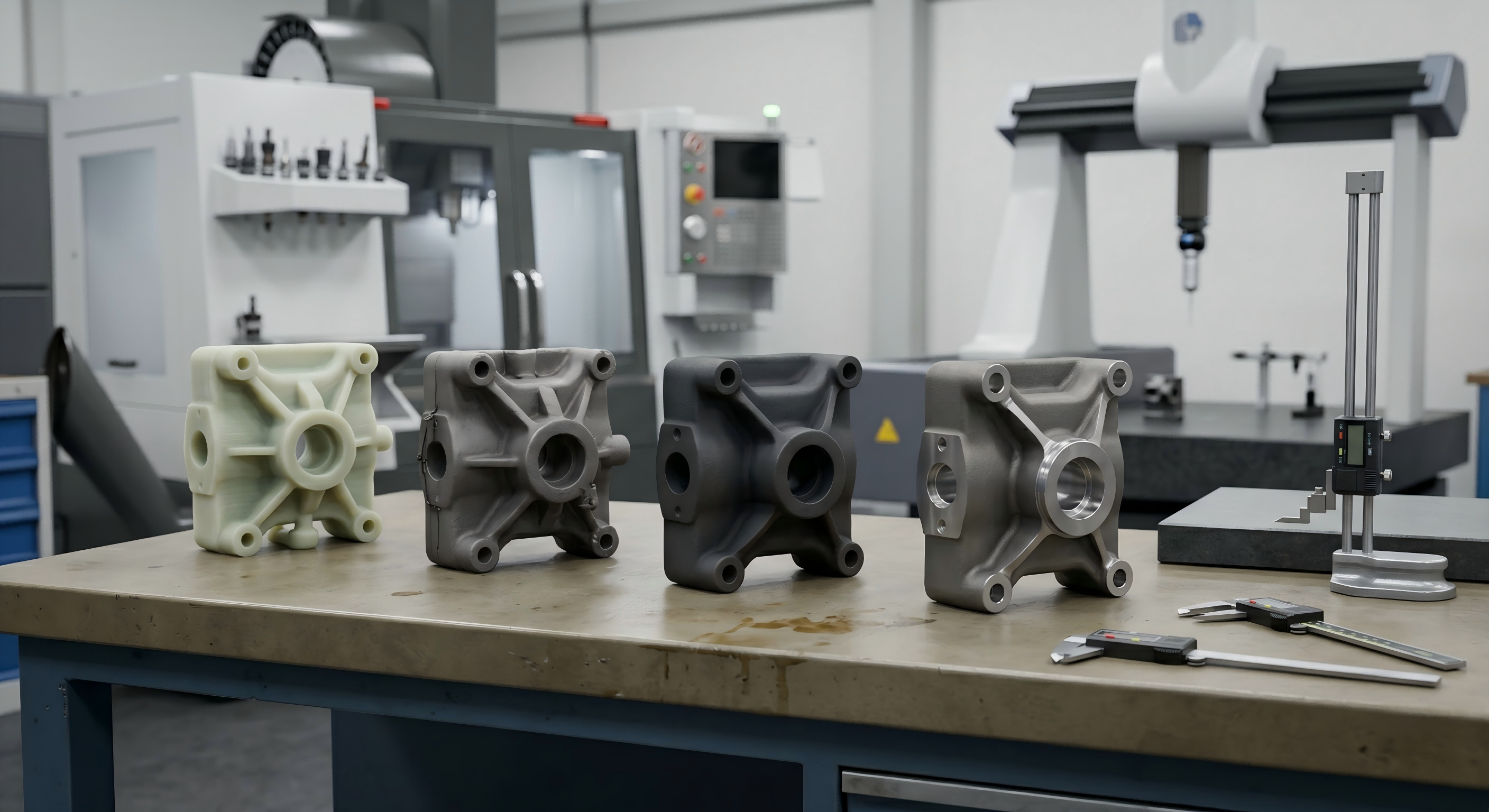
Heat-resistant steel casting, heat treatment, CNC machining and inspection support in a modern workshop
Tooling and Pattern Preparation
We evaluate the part structure and prepare tooling or pattern solutions according to drawings, quantity, and required accuracy.
Silica Sol Investment Casting
The silica sol investment casting process is suitable for small and medium-sized custom steel components requiring better surface finish and detail.
Heat Treatment as Required
Heat treatment, shot blasting, polishing, pickling, passivation, anti-rust protection, or other finishing options can be evaluated according to the material and application.
CNC Machining and Surface Finishing
Critical holes, threads, sealing surfaces, mounting areas, and tolerance-controlled dimensions can be machined after casting.
Inspection and Documentation
Chemical composition, dimensional inspection, hardness testing, and inspection reports can be provided based on project requirements.

Quality Control for Heat-Resistant Steel Investment Castings

Heat-resistant steel parts are often used in demanding working environments, so material control, casting quality, dimensional accuracy, heat treatment records, and machining consistency are important throughout production.
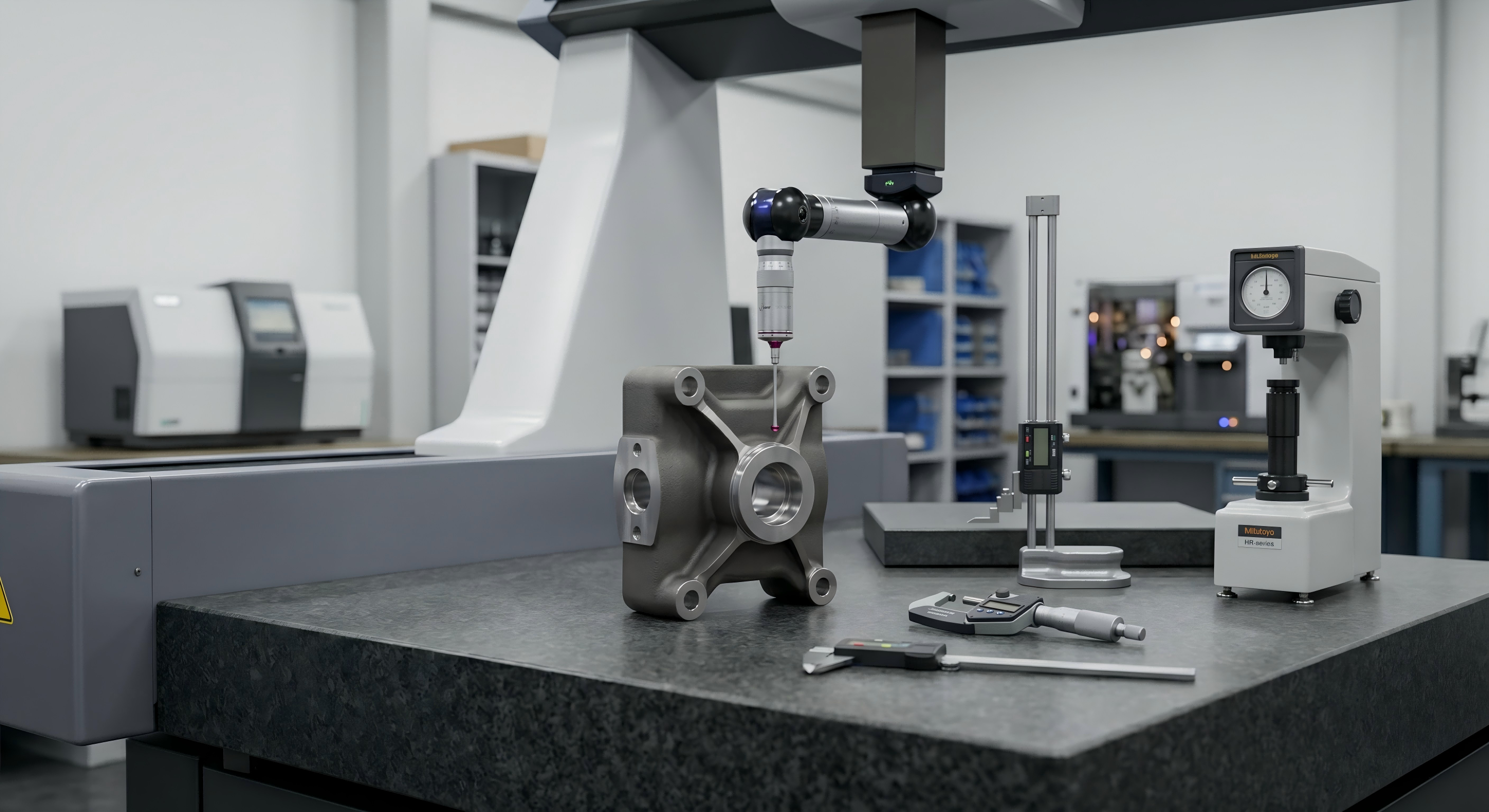
Dimensional, material and hardness inspection of a custom heat-resistant steel investment casting
Material and Heat Verification
Chemical composition can be checked to confirm whether the casting material meets the agreed grade or specification.
Casting Surface Inspection
Castings are visually inspected for surface condition, visible casting defects, cleaning quality, and overall appearance.
Dimensional Inspection
Key dimensions, machining allowance, mounting areas, and critical features can be inspected according to drawings.
CNC Machining Inspection
Machined holes, threads, sealing surfaces, and tolerance-controlled dimensions can be checked after CNC machining.
Heat Treatment and Hardness Records
Hardness testing or heat treatment records can be provided when required by material grade or project specification.
Optional NDT and Documentation
Additional inspection items can be discussed according to customer requirements, part application, and order standard.
Project Information Needed for Quotation
 2D drawing or 3D model
 Critical dimensions and tolerances
 Required material grade and standard
 Machining requirements
 Continuous working temperature
 Heat treatment or surface requirements
 Short-time peak temperature
 Inspection and documentation requirements
 Working atmosphere or media
 Sample or reference part availability
 Estimated order quantity
 Target delivery schedule

FAQ About Heat-Resistant Steel Investment Casting

Q1. What is heat-resistant steel investment casting?


Heat-resistant steel investment casting is used to produce custom steel components intended for elevated-temperature environments. Depending on the selected material and application, the castings may be designed to resist oxidation, hot gas exposure, thermal cycling, deformation, or loss of performance during high-temperature service.

Q2. How is heat-resistant steel different from standard alloy steel or stainless steel?


Standard alloy steel is generally selected for strength, toughness, wear resistance, or heat-treatment response at normal or moderately elevated temperatures. Heat-resistant steel is selected specifically according to service temperature, working atmosphere, oxidation conditions, thermal cycling, mechanical load, and the applicable material standard. Some stainless steel grades offer heat resistance, but not every stainless steel grade is suitable for prolonged high-temperature service.

Q3. Can you select a heat-resistant steel grade based only on working temperature?


Working temperature is important, but it is not the only factor. Material evaluation should also consider continuous and peak temperature, working atmosphere, exposure time, mechanical load, thermal cycling, part structure, machining requirements, and the applicable material specification. Customers should provide as much service-condition information as possible for engineering review.

Q4. What heat-resistant steel grades can you produce?


Zeren can evaluate customer-specified heat-resistant cast steel grades according to drawings, applicable ASTM, EN, JIS, or other material specifications, and actual service conditions. Final material availability and casting feasibility depend on the required grade, part structure, order quantity, melting requirements, heat-treatment condition, and inspection requirements.

Q5. Can you produce small-batch custom heat-resistant steel castings?


Small and medium production quantities can be evaluated for custom investment casting projects. The practical minimum order quantity depends on part size, tooling method, material grade, required melting quantity, heat treatment, machining, and inspection requirements.

Q6. Can CNC machining be provided after casting?


Yes. Critical holes, threads, sealing surfaces, fitting areas, mounting features, and tolerance-controlled dimensions can be CNC machined after casting. Machined areas, datum references, dimensional tolerances, and surface requirements should be clearly marked on the drawing.

Q7. What inspection reports can be provided?


Depending on the agreed project requirements, available documentation may include chemical composition reports, dimensional inspection reports, hardness reports, first article inspection records, heat-treatment records, and material certificates. Additional nondestructive testing can be discussed and confirmed before quotation.

Q8. What information is required for a quotation?


Please provide a 2D drawing or 3D model, required material grade and standard, estimated quantity, continuous and peak working temperature, operating atmosphere, critical dimensions and tolerances, machining requirements, heat-treatment or surface requirements, and required inspection documentation. Providing complete information helps us evaluate material suitability, casting feasibility, production process, and quotation details more accurately.


Need Custom Heat-Resistant Steel Cast Parts?
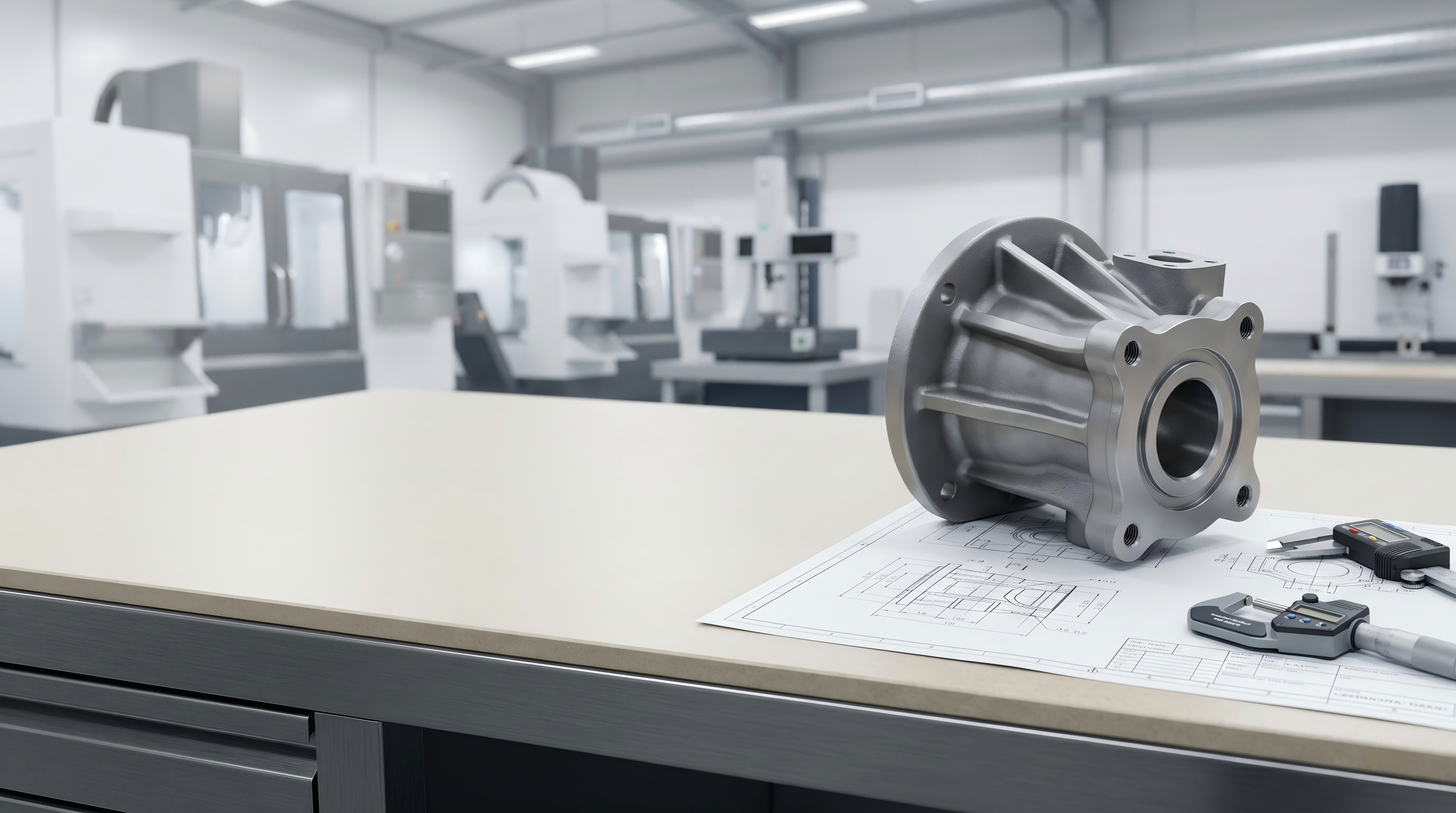
Send us your drawing, material specification, working temperature, application environment, and estimated quantity. Our team will review material suitability, casting feasibility, machining requirements, and quotation details.
Custom heat-resistant steel casting with engineering drawing and measuring tools for project quotation