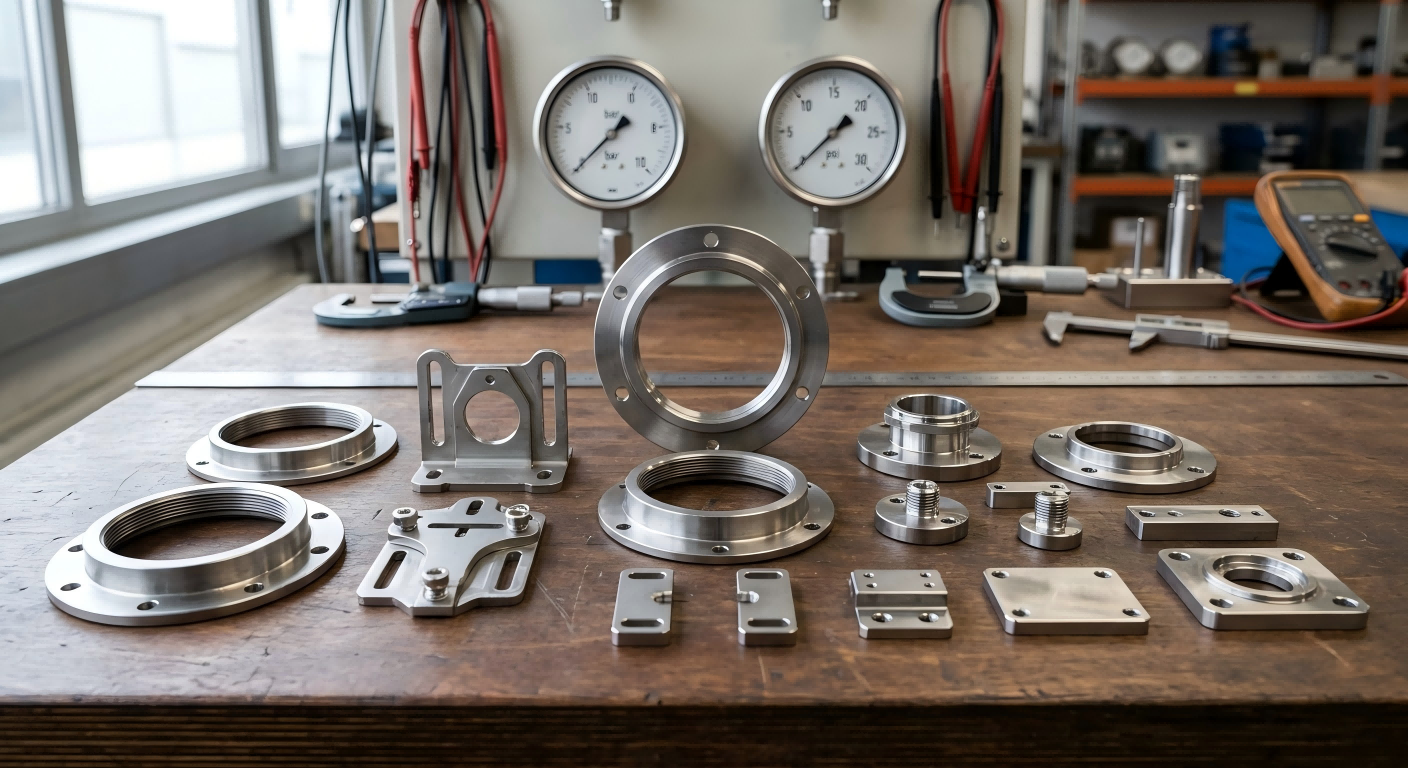
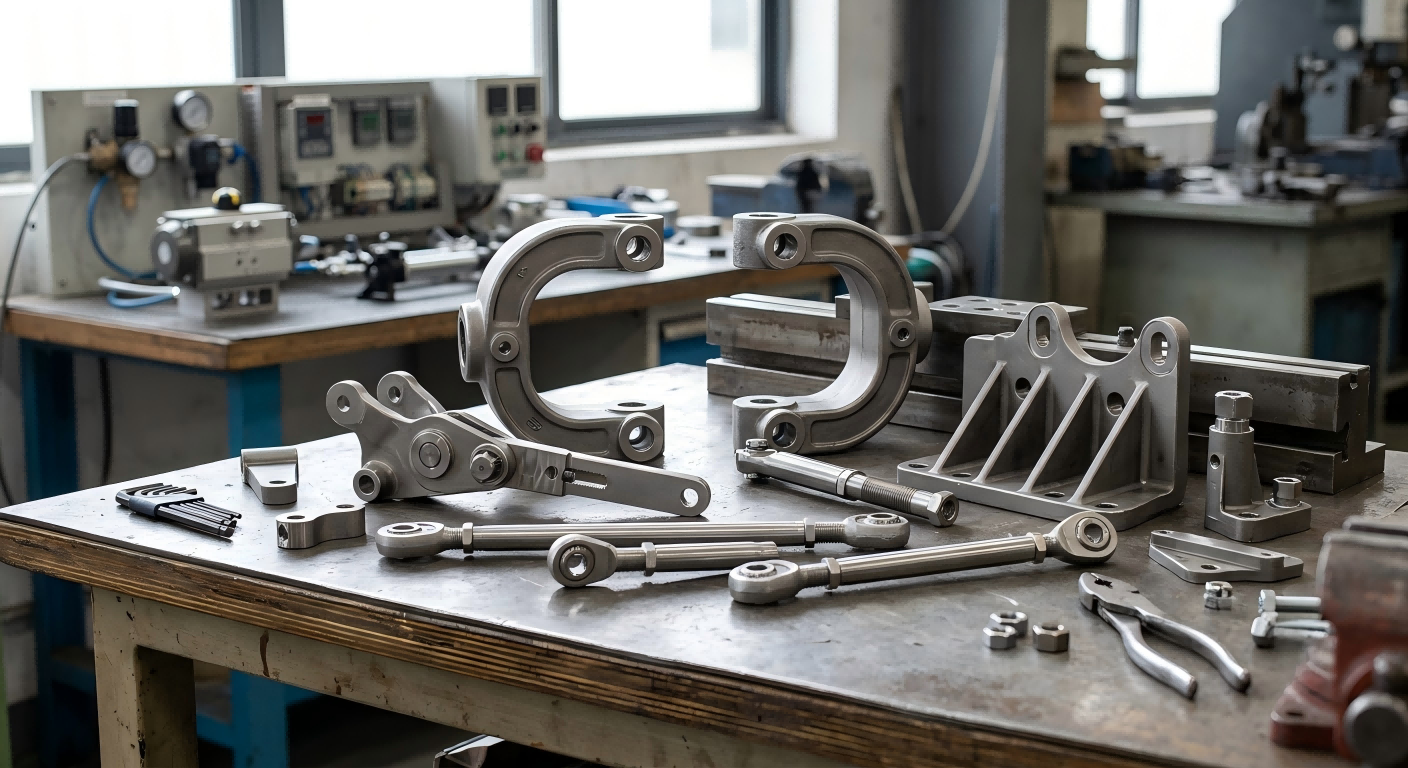
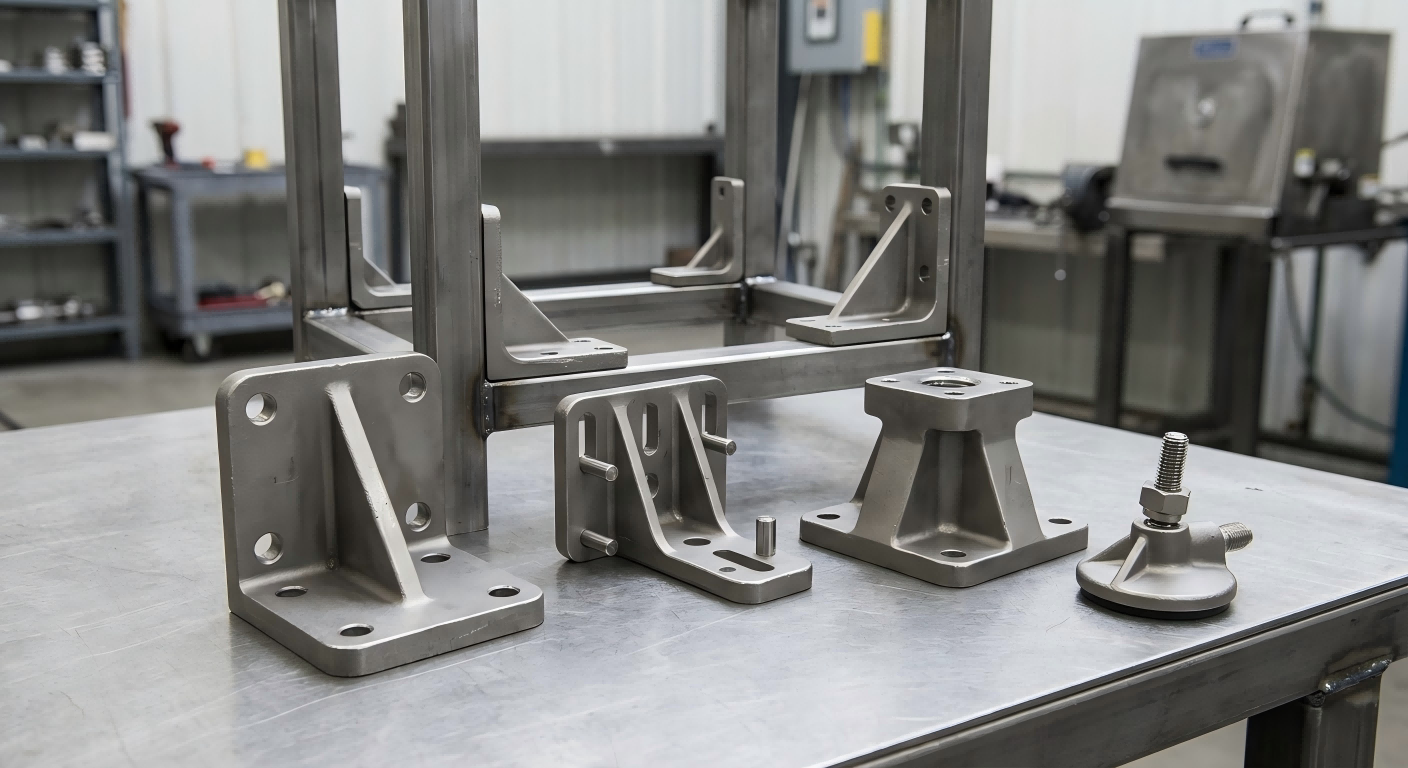
Custom Power & Instrumentation Parts


Zeren manufactures precision investment cast and CNC-machined steel components for power equipment, industrial instruments, sensing devices and control systems.


From compact housings and threaded interfaces to mounting components and actuator parts, we support customized production based on your drawings and application requirements.


Custom OEM Parts · No Standard Stock · Quotation Based on Drawings
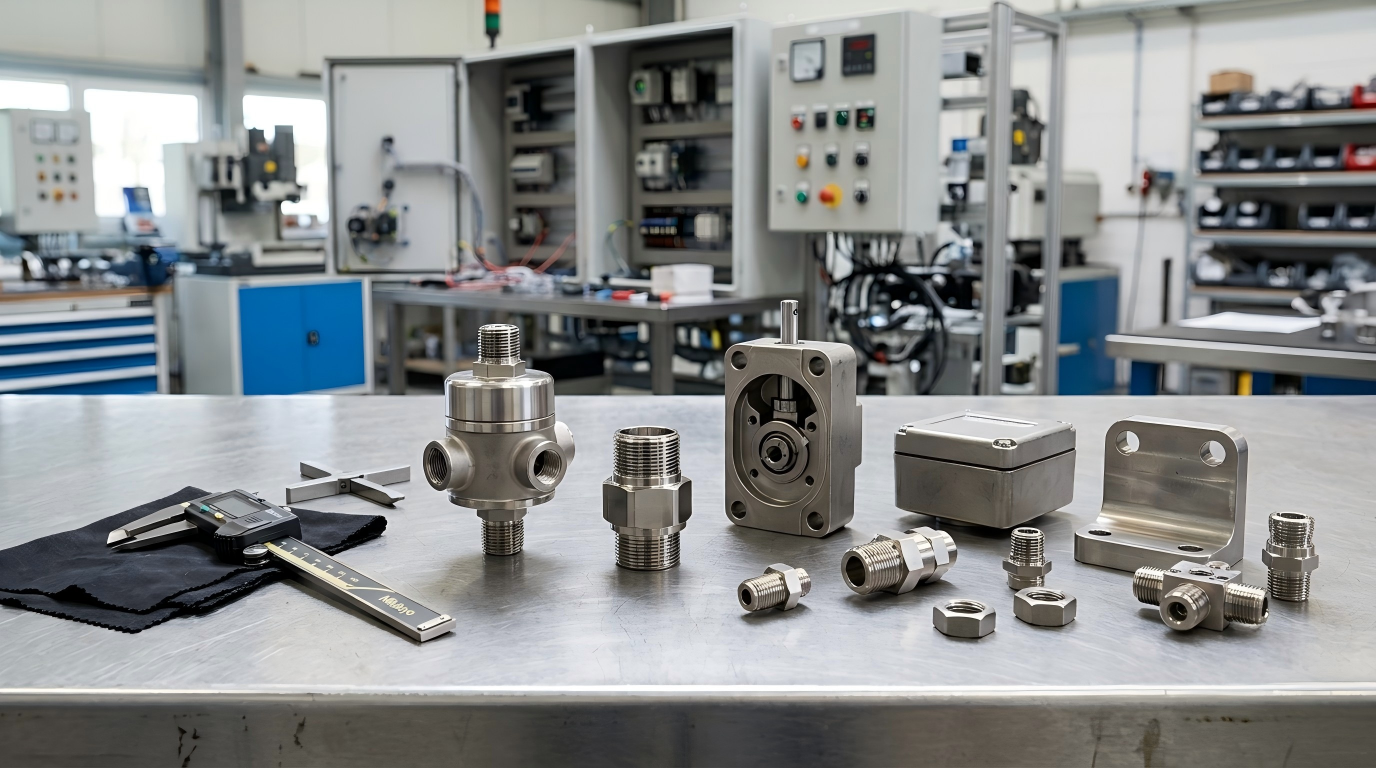
Custom power and instrumentation parts including sensor housings, actuator components, mounting brackets and threaded connectors

Representative Power & Instrumentation Component Categories

Power and instrumentation systems often require compact metal components with complex geometries, accurate interfaces and reliable mechanical performance. We manufacture customized steel castings for equipment protection, sensing, measurement, mounting, connection and mechanical control applications.
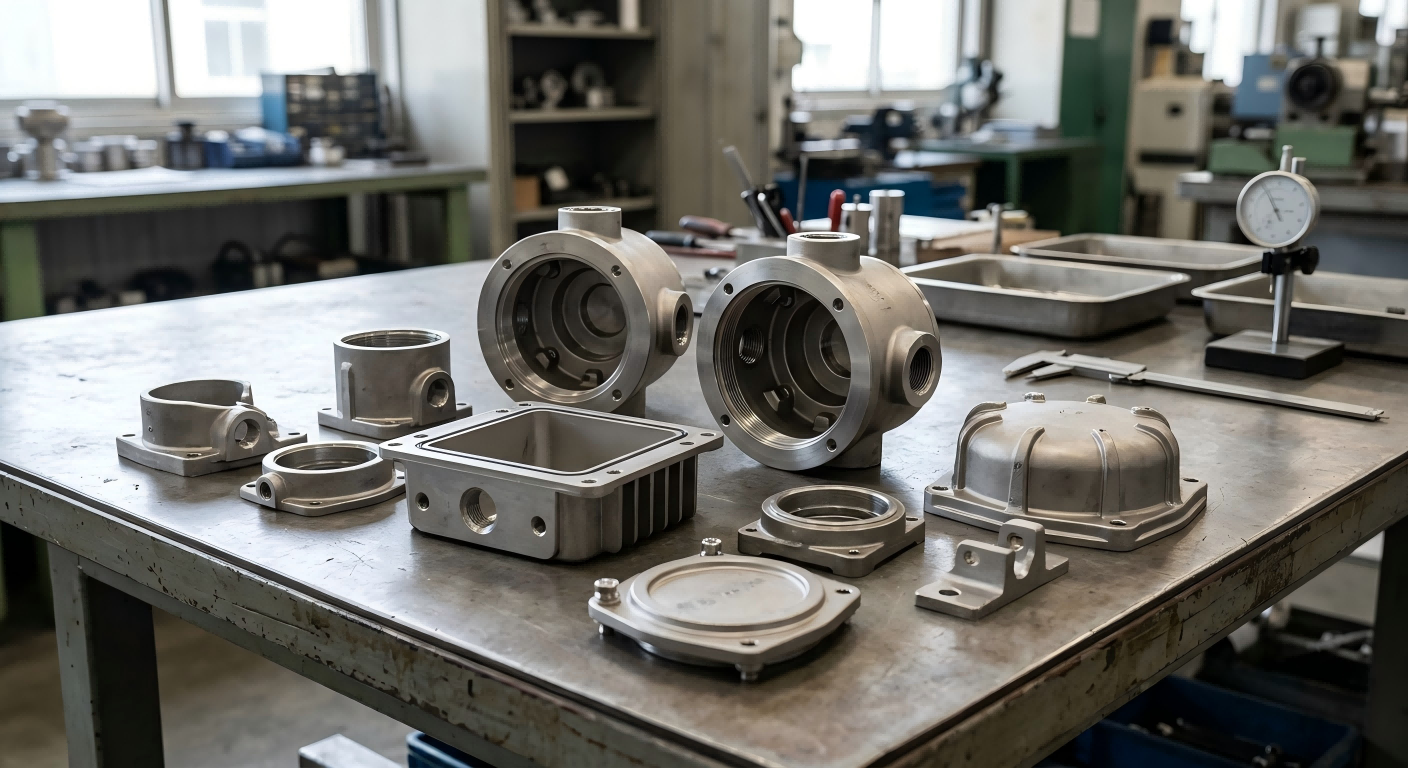
Stainless steel instrument housings and protective covers for industrial equipment
Instrument Housings & Protective Covers
Compact cast housings, protective bodies and cover components used to protect internal instrument assemblies from mechanical impact, contamination and demanding operating environments.
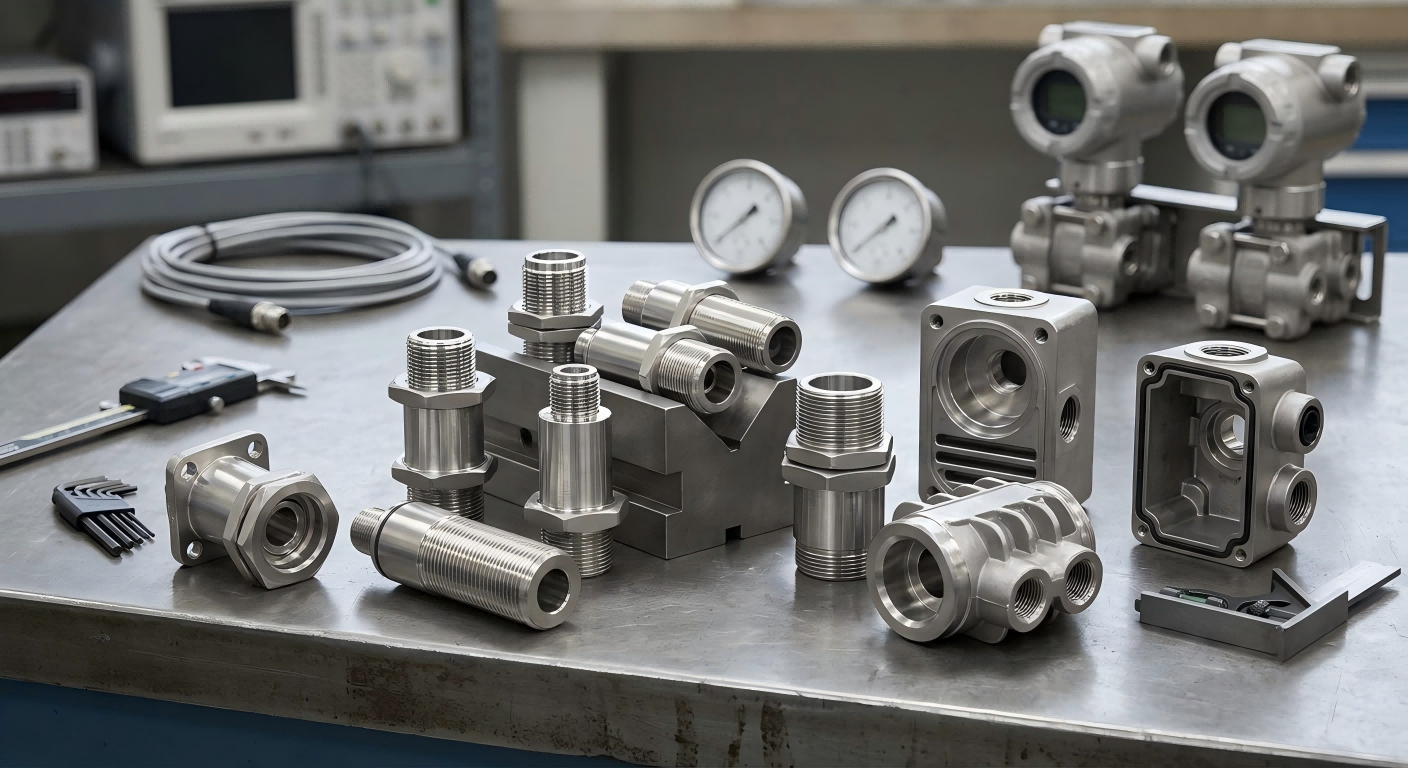
Precision steel sensor and transmitter housings with threaded interfaces and machined features

Sensor & Transmitter Housings

Precision housings and body components designed for industrial sensors, pressure transmitters, temperature monitoring devices and other measurement equipment.
Steel meter, gauge and indicator components including brackets, frames and mounting parts

Meter, Gauge & Indicator Components

Cast and machined components used to support, connect or protect mechanical and electromechanical measuring instruments.
Alloy steel actuator and control mechanism parts with machined holes and structural features
Actuator & Control Mechanism Parts
Mechanically loaded components used in actuators, adjustment mechanisms, control assemblies and equipment operating systems.
Steel mounting brackets and structural supports for power and instrumentation equipment

Mounting Brackets & Structural Supports
Custom brackets, mounting bases and support components used to position instruments, sensors and auxiliary equipment accurately and securely.
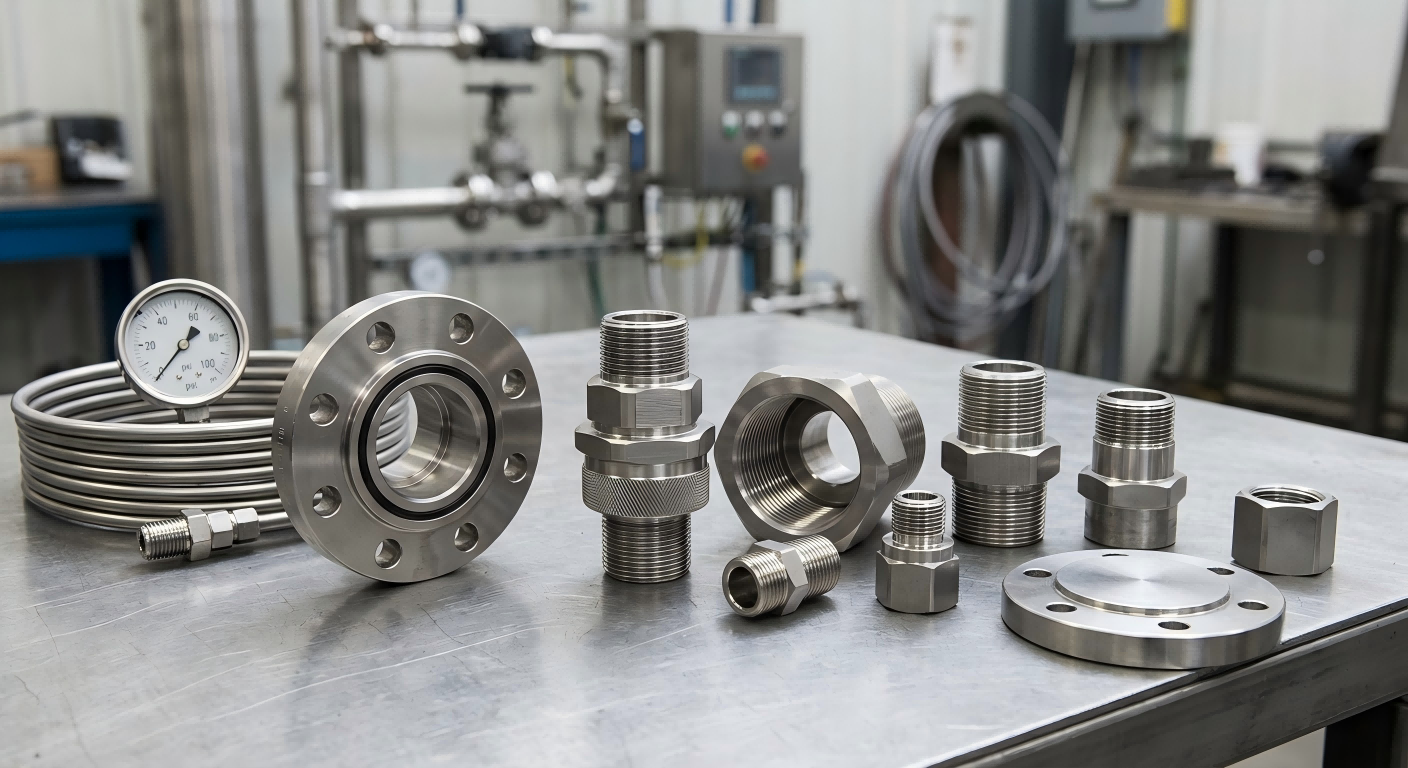
Steel connectors, couplings and interface components with threads, flanges and machined sealing surfaces

Connectors, Couplings & Interface Components

Precision interface parts used to connect instruments, pipes, probes, actuators and mechanical assemblies within power and control equipment.

Selected Power & Instrumentation Part Examples

The following examples illustrate the types of compact housings, control components, mounting parts and precision interfaces that can be manufactured through investment casting, heat treatment, CNC machining and surface finishing.
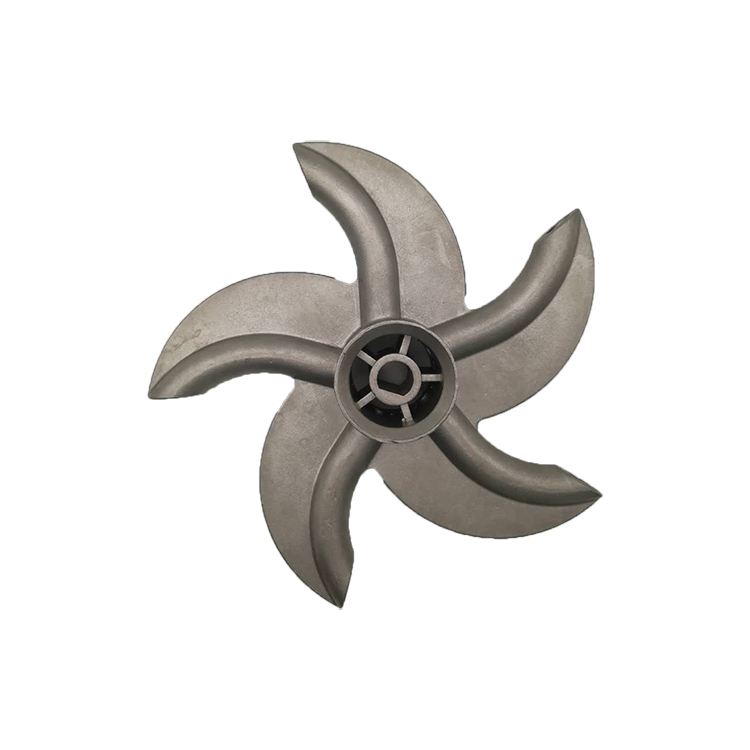
TB001 3

Power Equipment Cooling Impeller


Material: Carbon Steel

Manufacturing: Silica Sol Investment Casting + CNC Machining

Features: Curved five-blade profile, integrated central hub, machined center bore and compact one-piece structure for power equipment cooling assemblies.

ME021 5

Actuator Drive Gear Component


Material: Alloy Steel

Manufacturing: Silica Sol Investment Casting + CNC Machining

Features: Compact geared drive structure with integrated shaft body, machined bore and precise external tooth profile for actuator and mechanical control assemblies.
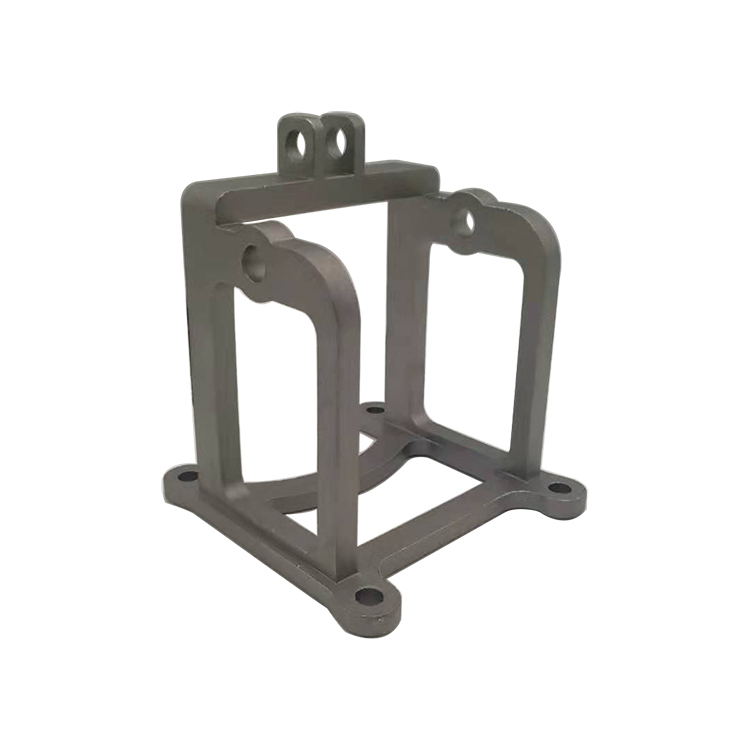
ME022 1

Instrument Equipment Mounting Frame


Material: Stainless Steel

Manufacturing: Silica Sol Investment Casting + CNC Machining

Features: Open-frame structure with integrated mounting feet, multiple connection points and machined assembly interfaces for accurate equipment positioning.
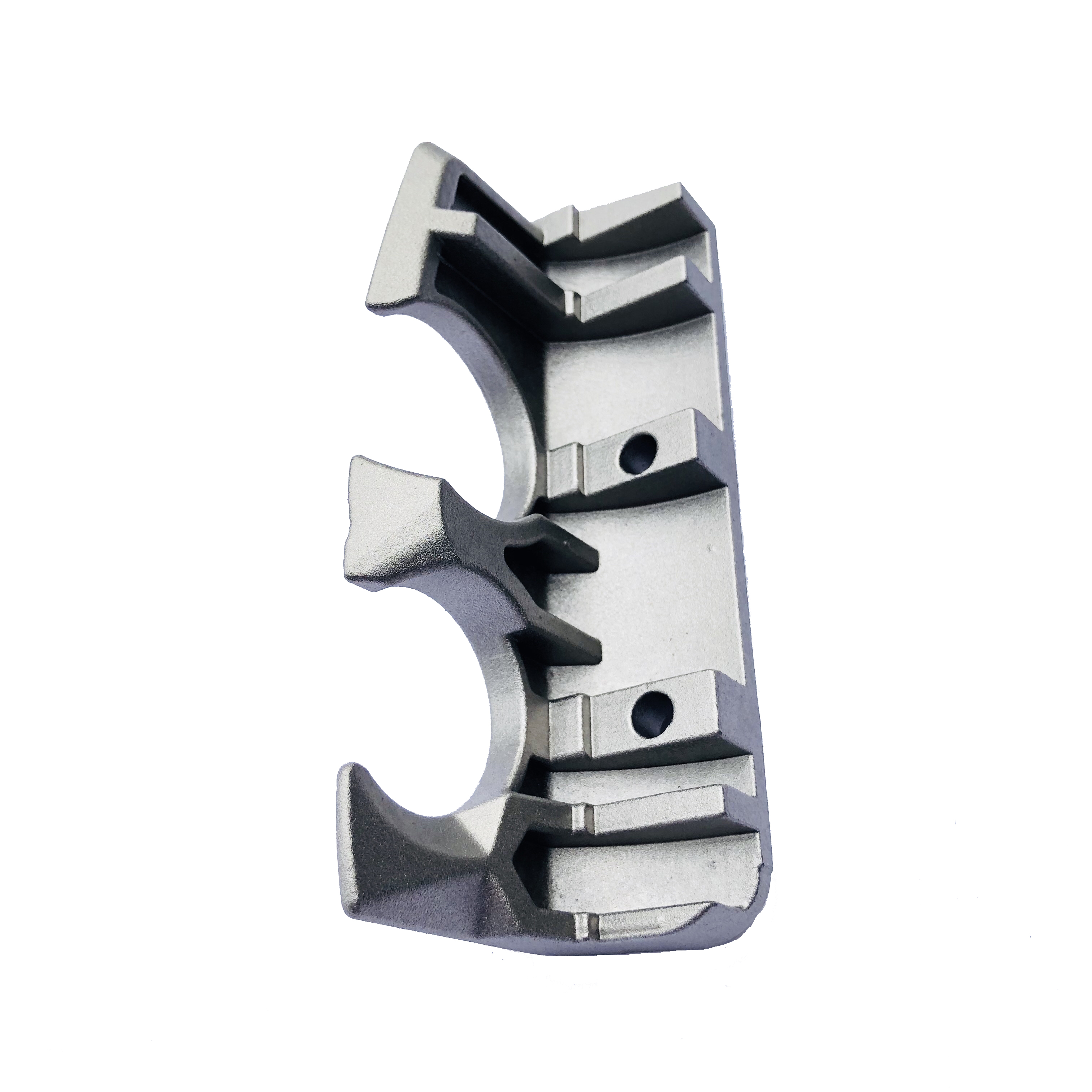
2

Reinforced Curved Support Housing


Material: Carbon Steel

Manufacturing: Silica Sol Investment Casting + CNC Machining

Features: Curved housing profile, multiple reinforcing ribs, integrated mounting bosses and machined interfaces for stable equipment assembly.

These components demonstrate how investment casting can integrate curved blade profiles, mounting features, reinforcing ribs and complex structural details into near-net-shape steel parts. Combined with CNC machining and inspection, this approach supports reliable assembly, stable mechanical performance and consistent dimensional accuracy.

Casting and Machining Features for Instrumentation Components

Power equipment and industrial instruments often require compact components with several functional features integrated into a single part. Investment casting helps reduce welded or assembled structures while CNC machining provides accuracy at critical interfaces.
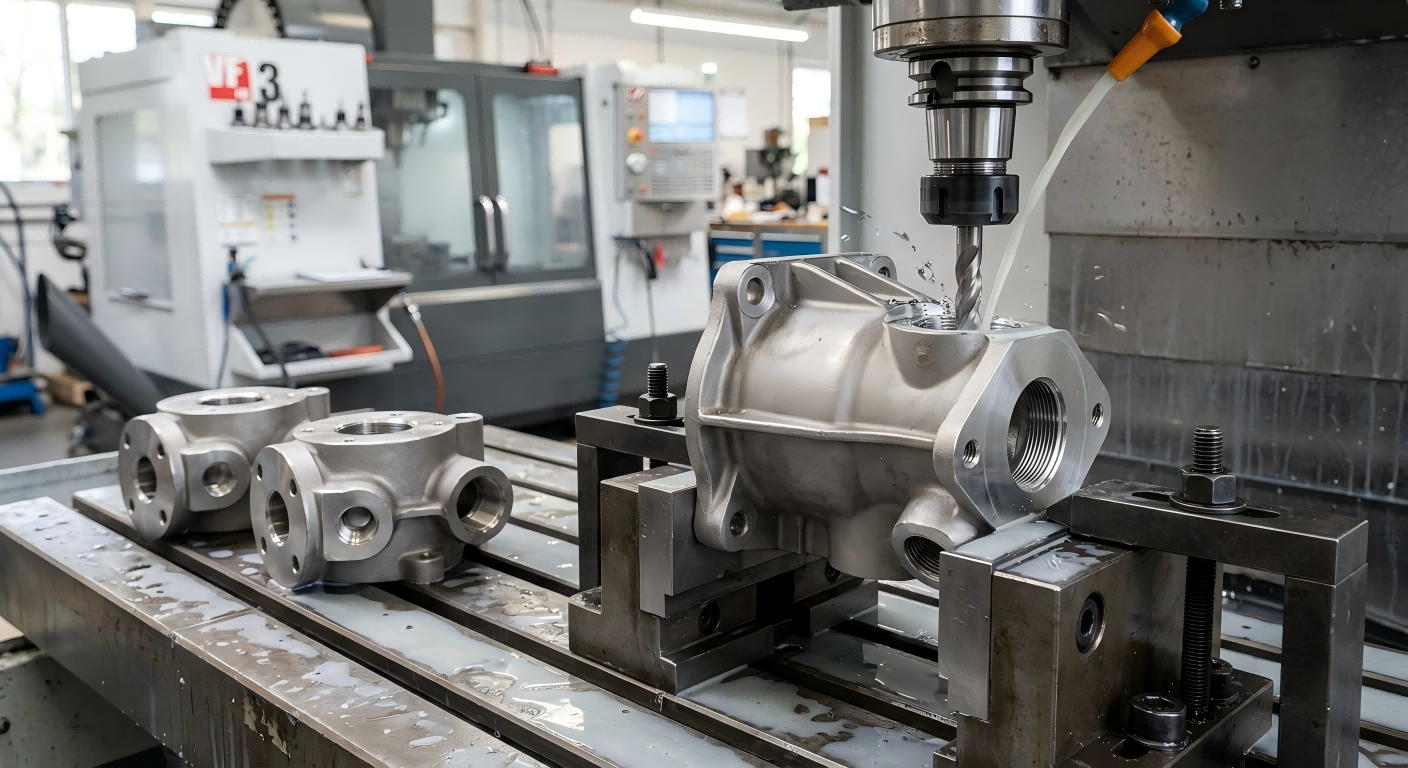
CNC machining of investment cast sensor housing with threaded ports, bores and mounting interfaces

Complex Compact Geometries

Produce compact components with curved profiles, mounting arms, ribs and integrated structural details.
Internal Cavities and Passages
Form internal cavities, channels and functional openings that may be difficult to manufacture entirely from solid material.
Threaded Ports and Connections
Machine internal and external threads for sensors, instruments, probes and mechanical interfaces.
Precision Bores and Mounting Holes
Control bore diameter, hole position and mounting alignment through secondary CNC machining.
Machined Sealing and Contact Surfaces
Finish sealing faces, mounting surfaces and assembly interfaces according to drawing requirements.

Integrated Mounting Features

Combine brackets, bosses, flanges and positioning structures into one casting to reduce welding and assembly operations.

From Drawing to Finished Instrumentation Components

Each project is evaluated according to component geometry, material, operating conditions, machining requirements and inspection criteria before production begins.
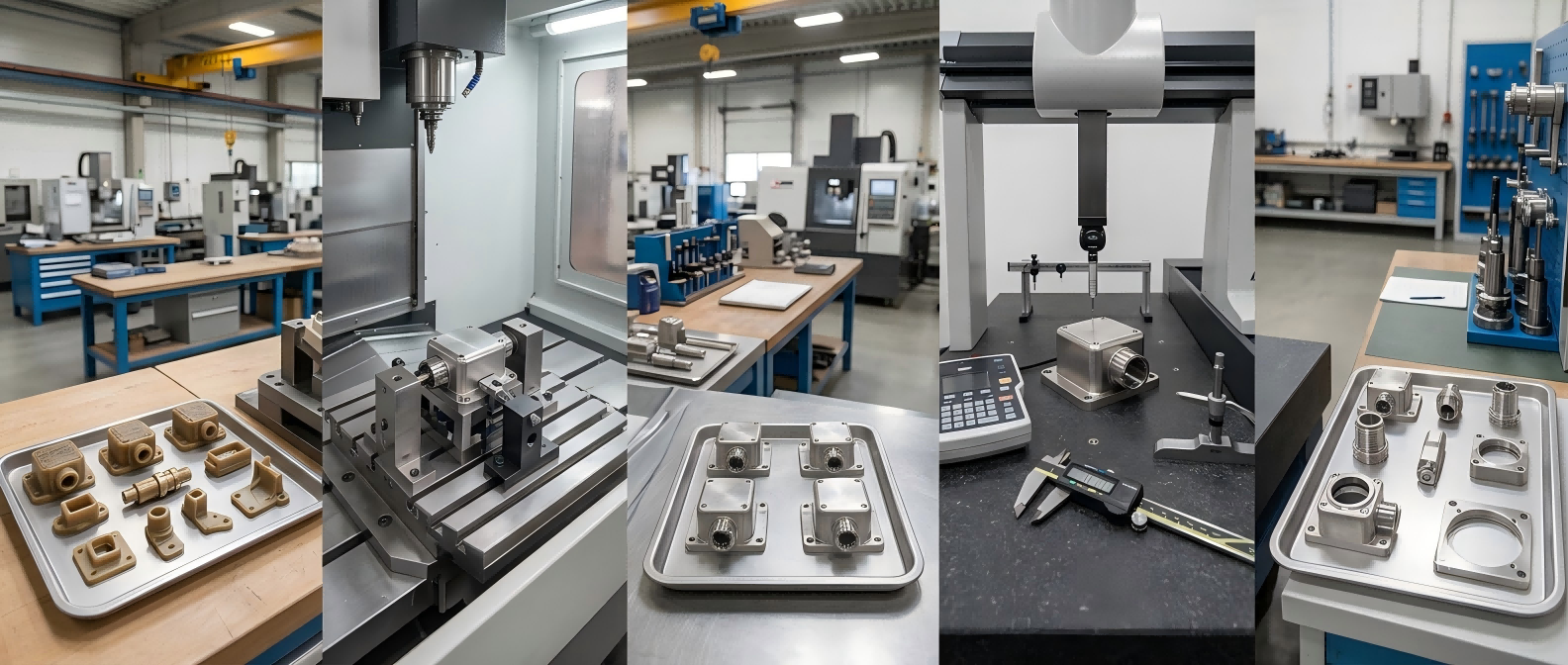
Investment casting and machining production process for power and instrumentation steel components
Step 1:Drawing and Requirement Review
Review dimensions, material grades, tolerances, machining areas and functional interfaces.
Step 2:Casting Design and Tooling
Evaluate wall thickness, fillets, draft considerations, shrinkage allowances and machining stock.

Step 3:Wax Pattern and Ceramic Shell

Produce wax patterns and build ceramic shells through controlled dipping and drying processes.

Step 4:Melting, Pouring and Cleaning

Cast the selected steel grade, remove the ceramic shell and complete cutting, grinding and initial inspection.

Step 5:Heat Treatment and CNC Machining

Perform heat treatment where required, followed by machining of threads, bores, holes, sealing faces and mounting surfaces.

Step 6:Inspection and Final Finishing

Verify material and dimensions before completing the specified surface treatment, marking and packaging.

Steel Materials for Power and Instrumentation Parts

Material selection depends on mechanical loads, corrosion exposure, operating temperature, wear conditions and the required surface finish. Zeren manufactures customized components using a range of steel materials based on customer drawings and technical specifications.
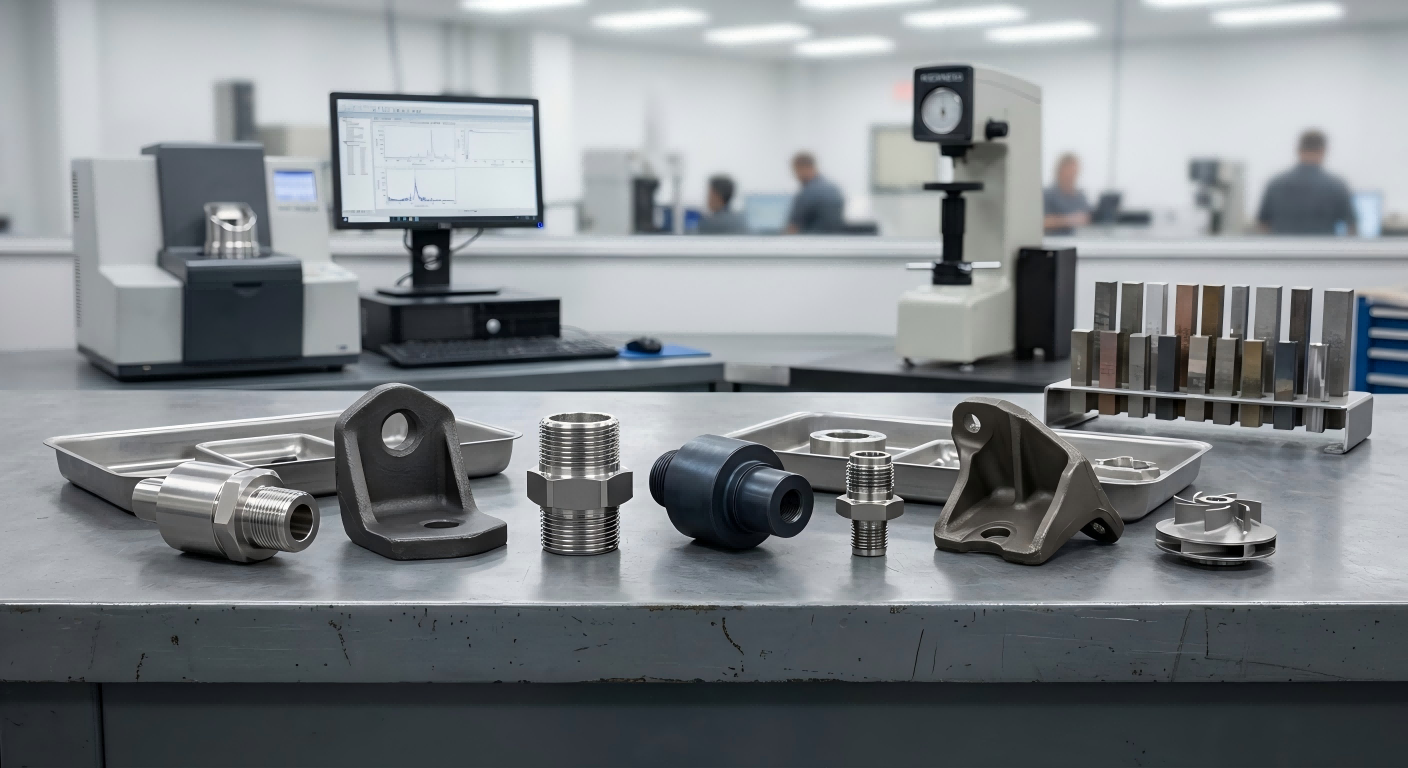
Stainless steel, carbon steel and alloy steel power and instrumentation components on a material inspection table
Stainless Steel
Suitable for sensor housings, instrument connectors and components requiring corrosion resistance and a clean surface.
Carbon Steel
A practical option for structural brackets, mounting components and general mechanical parts.
Alloy Steel
Used for actuator components, control mechanisms and parts requiring enhanced strength or heat-treatment performance.
Duplex Stainless Steel
Suitable for components exposed to aggressive industrial, marine or chemical operating environments.
Heat-Resistant Steel
Used for components operating near heat sources or under elevated-temperature conditions.
Wear-Resistant Steel
Suitable for selected mechanical control or contact components exposed to repeated friction and wear.
Final material grades are confirmed according to customer drawings, mechanical requirements, service conditions and applicable material standards.

Inspection for Critical Dimensions and Interfaces

Power and instrumentation components may include closely positioned holes, threaded ports, sealing faces and assembly interfaces. Inspection is therefore focused on material verification, dimensional consistency and the accuracy of critical machined features.
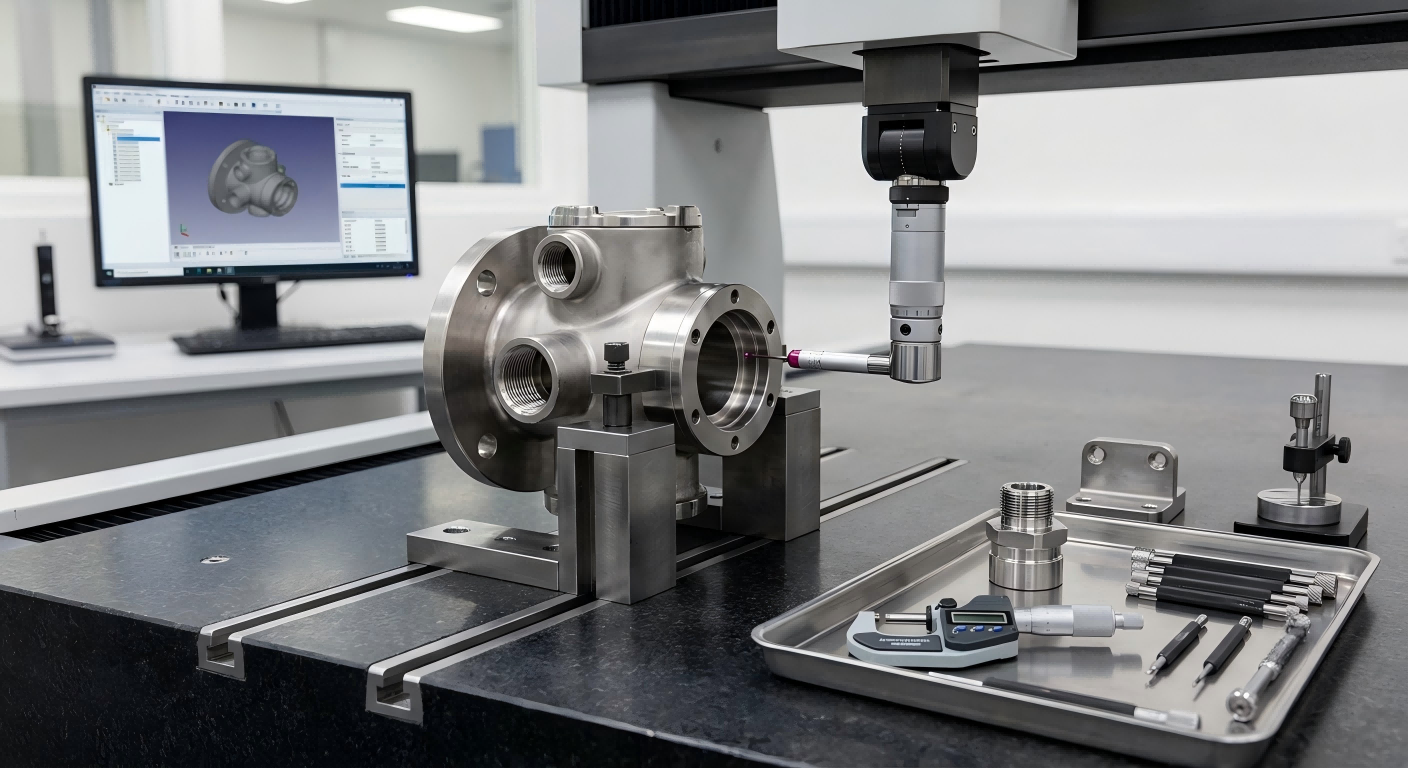
CMM inspection of precision sensor housing and machined interfaces for instrumentation components

Material Verification

Chemical composition can be verified using spectrometer testing according to the specified steel grade.
Dimensional Inspection
CMM, gauges and conventional measuring equipment are used to inspect critical dimensions and geometric relationships.
3D Scanning
Complex profiles and cast geometries can be compared with the original CAD model where required.
Hardness Testing
Heat-treated components can be checked to confirm that specified hardness requirements have been achieved.
Thread and Bore Inspection
Threaded connections, precision bores and mounting holes are checked using suitable gauges and measuring tools.

Surface and Visual Inspection

Cast surfaces, machined interfaces and finished components are visually inspected before shipment.

Frequently Asked Questions

Q1. What types of power and instrumentation parts can Zeren manufacture?


We manufacture customized steel components such as instrument housings, sensor and transmitter bodies, actuator parts, mounting brackets, connector bodies, couplings and other mechanical components based on customer drawings.
Q2. Can you manufacture housings with threaded ports and internal cavities?


Yes. Investment casting can form complex outer profiles and internal cavities, while CNC machining is used to complete critical threads, bores, sealing faces and mounting interfaces.

Q3. Which materials are commonly used for instrumentation components?


Common options include stainless steel, carbon steel and alloy steel. Duplex stainless steel, heat-resistant steel and wear-resistant steel can also be considered for specific operating conditions.
Q4. Can casting and CNC machining be supplied as one complete service?


Yes. We can support casting, heat treatment, CNC machining, surface finishing, dimensional inspection and final packaging according to the drawing requirements.

Q5. How are critical holes and threaded interfaces controlled?


Critical holes, bores and threads are completed through CNC machining and inspected using CMM, gauges and other appropriate measuring equipment.
Q6. Can you produce parts for outdoor or corrosive environments?


Yes. The appropriate stainless steel or duplex stainless steel grade can be selected according to the corrosion environment, mechanical requirements and customer specifications.

Need Custom Parts for Power or Instrumentation Equipment?
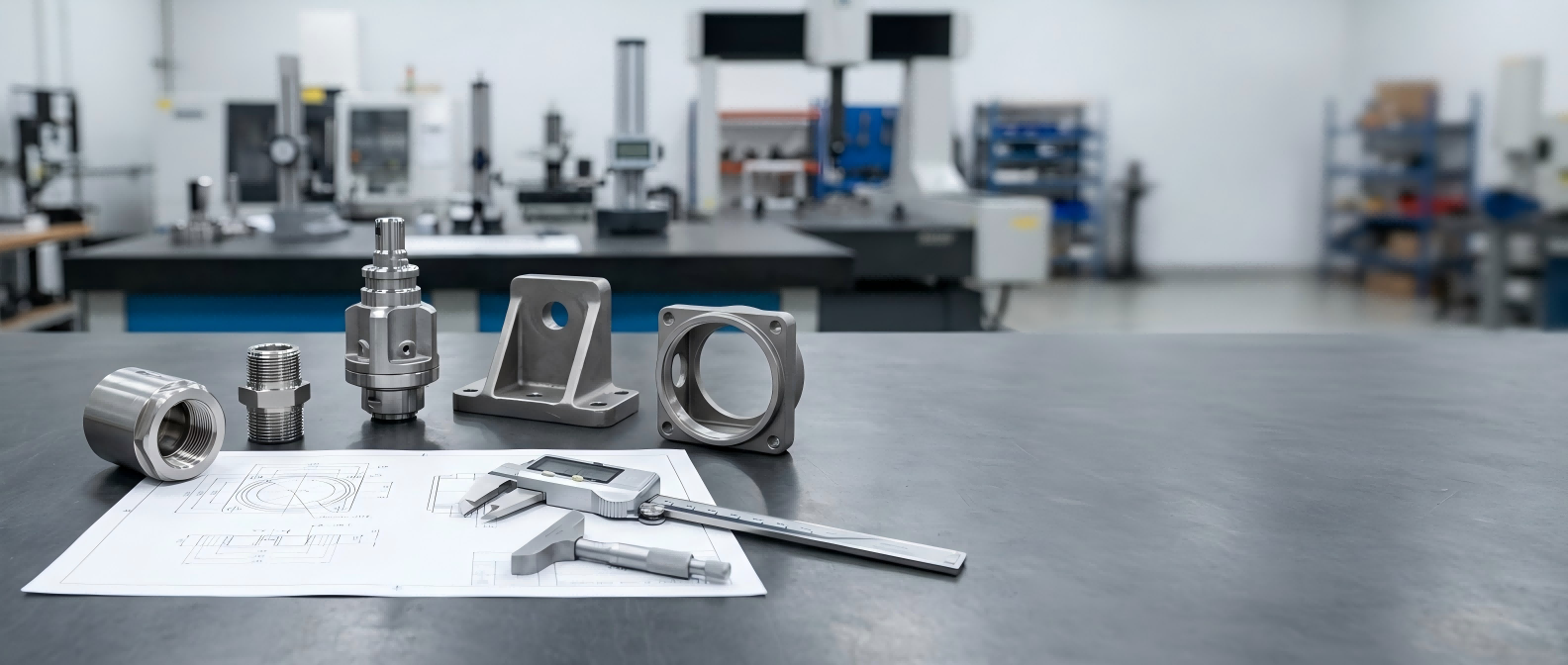
Send us your drawings, material requirements, target quantities and machining specifications. Our team will review the component design and provide recommendations for casting feasibility, machining allowances and production planning.
Finished custom steel power and instrumentation parts with engineering drawing and inspection tools