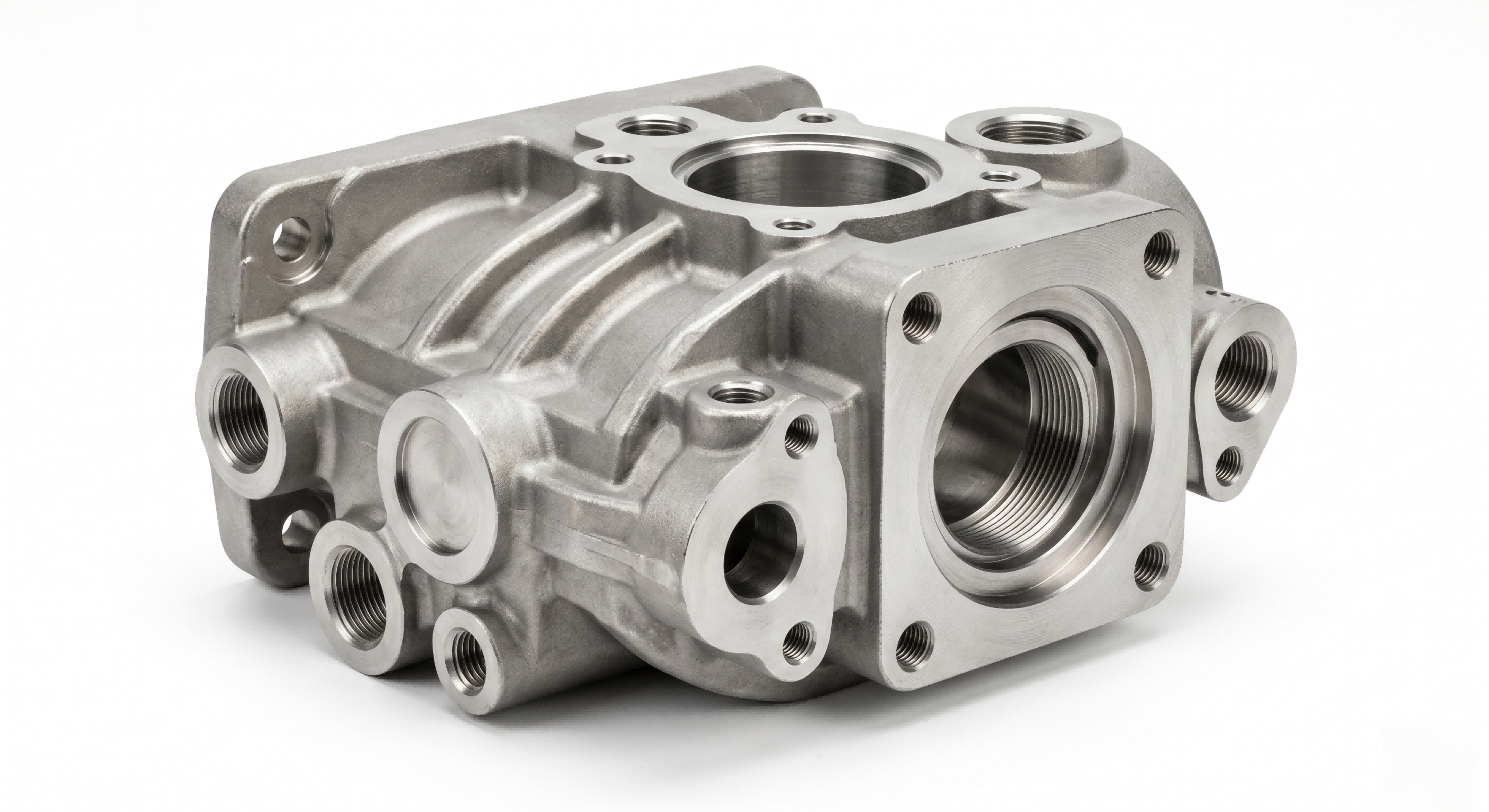
Power Engineering & Instrumentation Investment Casting Solutions


Precision cast and CNC machined metal components for power equipment, control systems, measuring instruments, and industrial instrumentation assemblies.


Zeren provides investment casting, CNC machining, heat treatment, and surface finishing support for customized metal parts used in power engineering and instrumentation applications. We help customers produce small and medium-sized precision components based on drawings, samples, or specific material requirements.
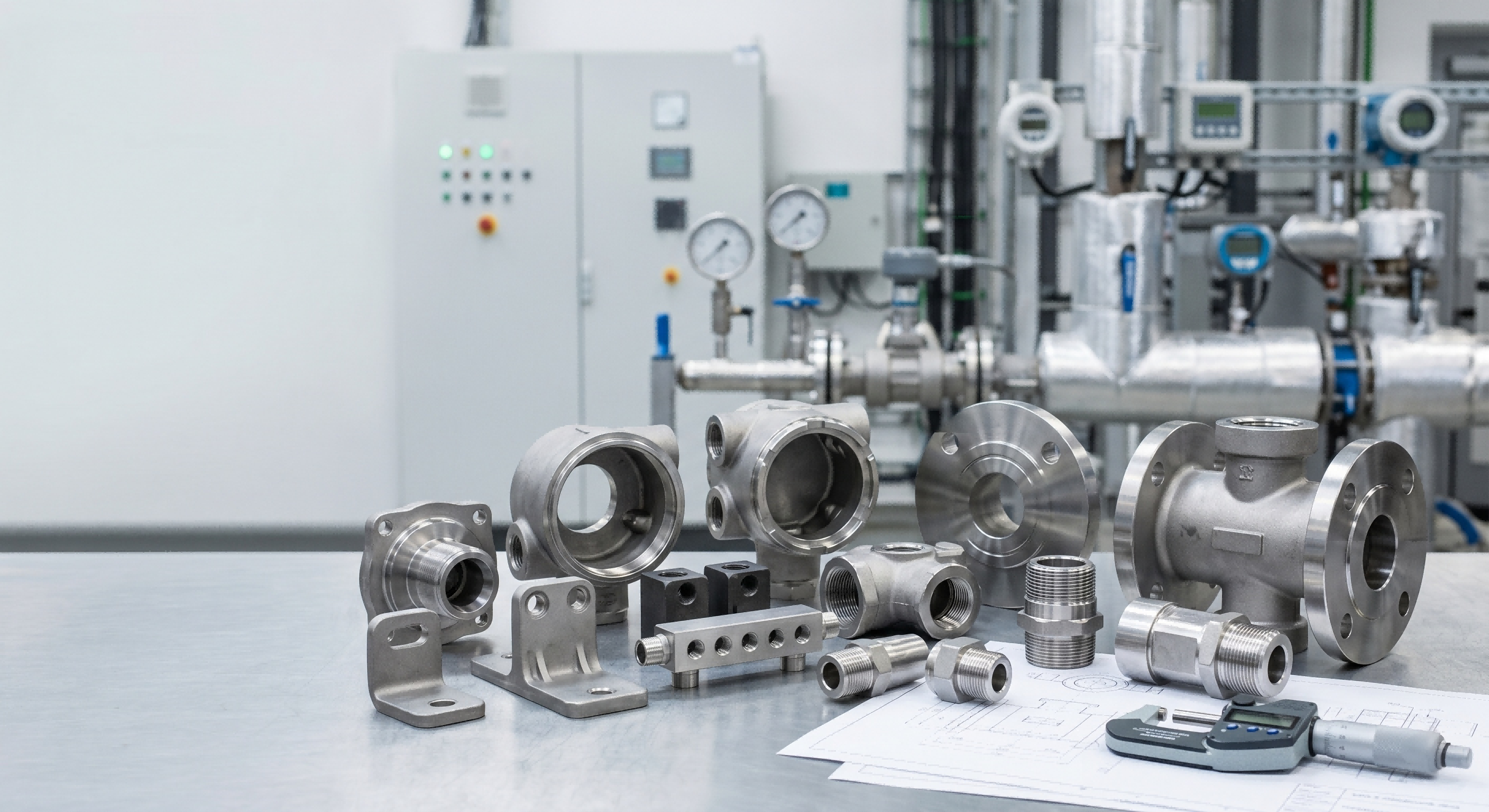
Precision cast and CNC machined metal components for power engineering and instrumentation applications

Application Areas We Support

Power engineering and instrumentation components often require stable materials, accurate dimensions, clean surfaces, and reliable machining. Our investment casting process is suitable for customized metal parts used in different power-related and measurement-control systems.


In power engineering and instrumentation projects, many cast components are used not only as structural parts, but also as functional housings, mounting supports, connector parts, and machined bodies for measuring, controlling, or protecting equipment. These parts often require stable material performance, accurate mounting dimensions, clean machined surfaces, and reliable inspection records.

Power Equipment Components
For customized cast metal parts used in power generation, power transmission, auxiliary equipment, and related industrial systems.
Electrical System Hardware
Precision cast and machined brackets, connectors, housings, and mounting parts used in electrical equipment and control assemblies.
Measuring Instrument Parts
Custom metal bodies, covers, adapters, and structural parts for measuring instruments and monitoring devices.
Control and Monitoring Assemblies
Investment cast parts for industrial control systems, sensor installation structures, and monitoring equipment.
Flow, Pressure and Temperature Instrumentation
Cast and machined components used in flow meters, pressure-related devices, temperature monitoring systems, and fluid control instruments.
Custom OEM Engineering Parts
Drawing-based investment casting and machining support for non-standard power and instrumentation components.

Representative Power Engineering & Instrumentation Component Types

We manufacture customized components based on customer drawings or samples. The parts below represent common types of cast and machined components used in power engineering and instrumentation projects.


Typical parts include instrument housings, sensor mounting brackets, threaded connector bodies, mounting bases, support frames, small equipment housings, and flow, pressure, or temperature-related instrument components. Depending on the design, these castings may require CNC machining for sealing faces, threaded holes, mounting surfaces, grooves, and positioning features.
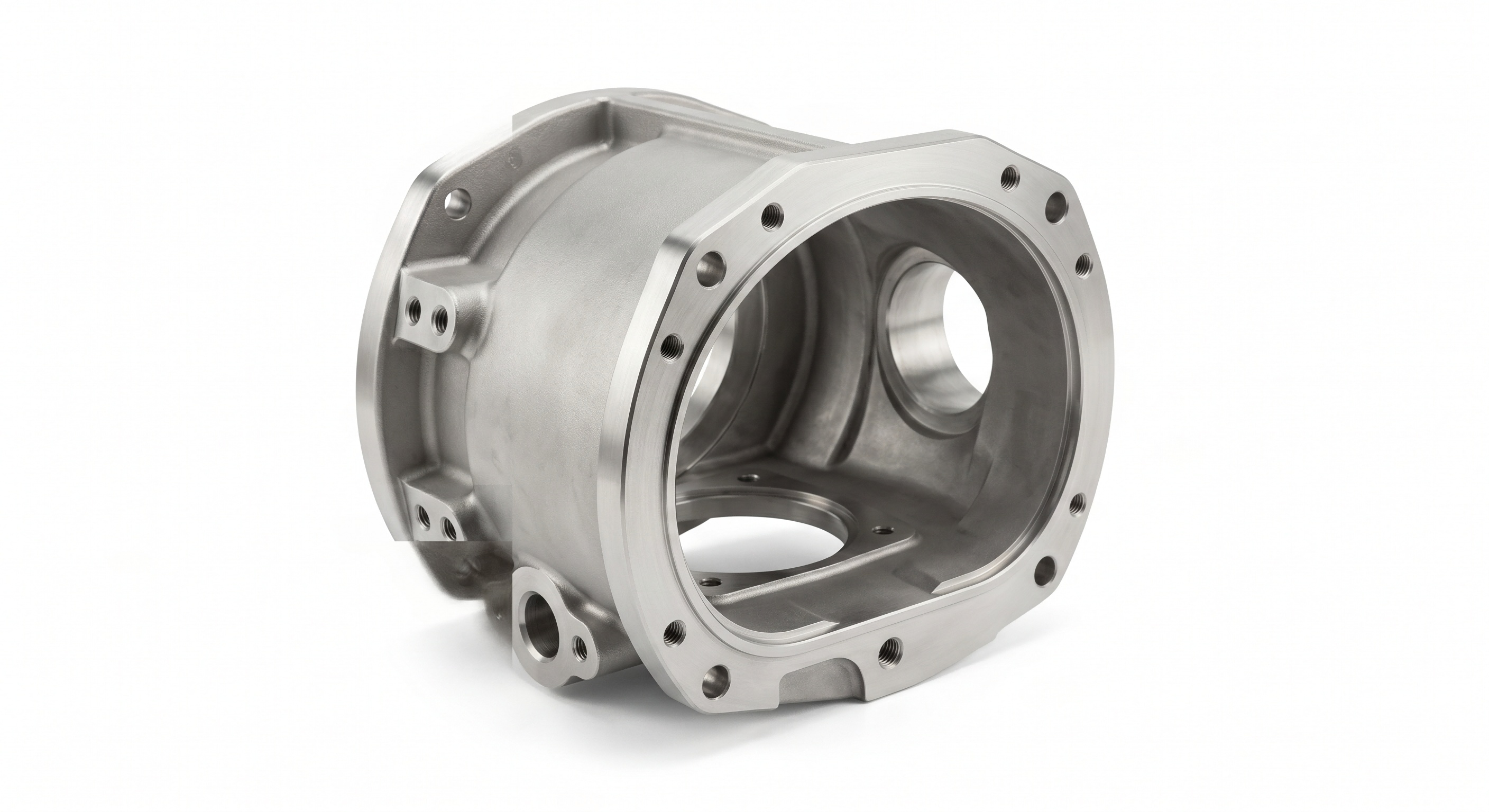
Investment cast instrument housing for power engineering and instrumentation applications
Instrument Housings
Investment cast housings and covers for measuring instruments, monitoring devices, and industrial control equipment.
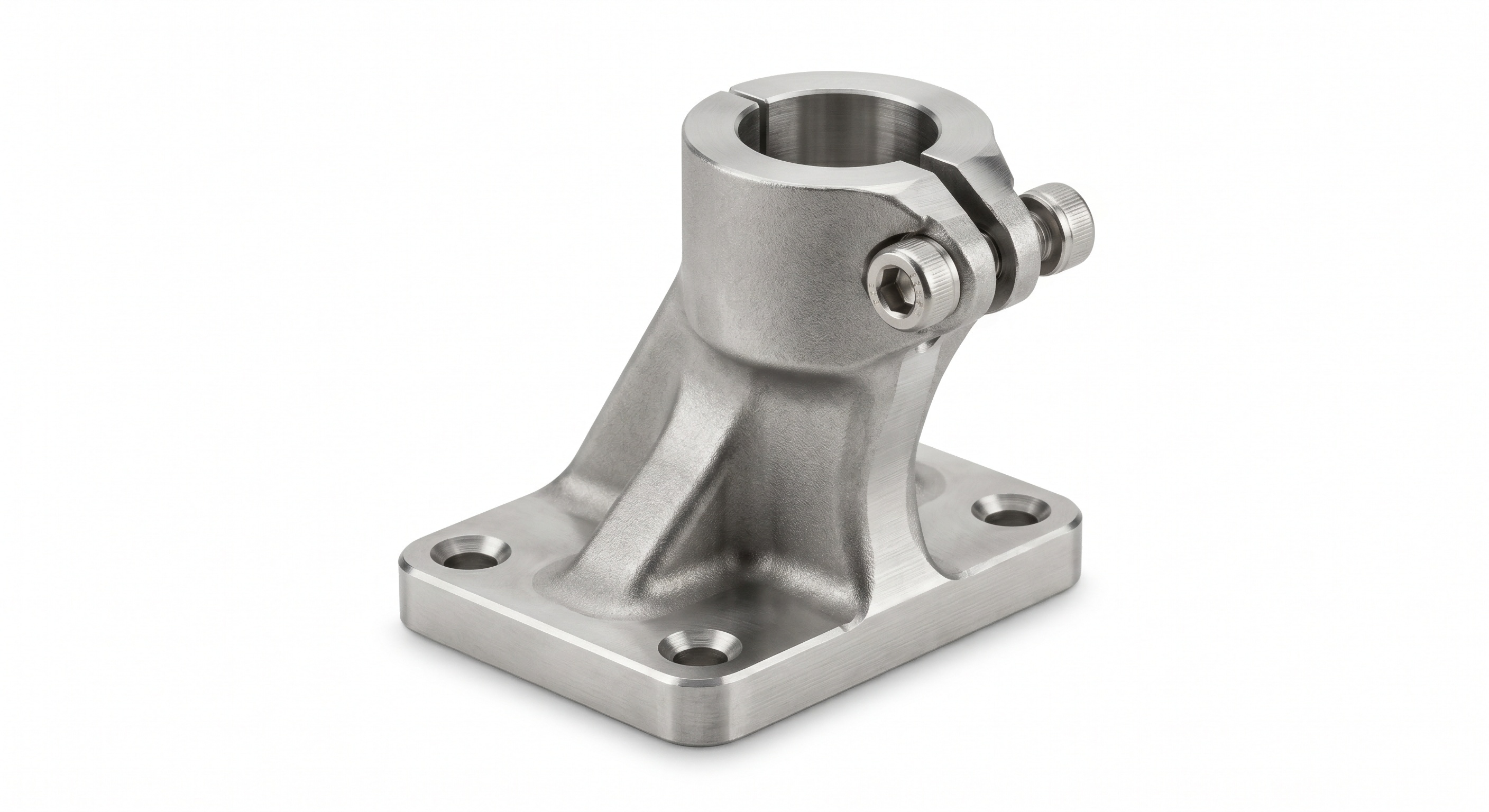
Precision cast sensor mounting part for industrial instrumentation equipment

Sensor Mounting Parts

Custom cast and machined structures used to position, protect, or connect sensors in industrial equipment.
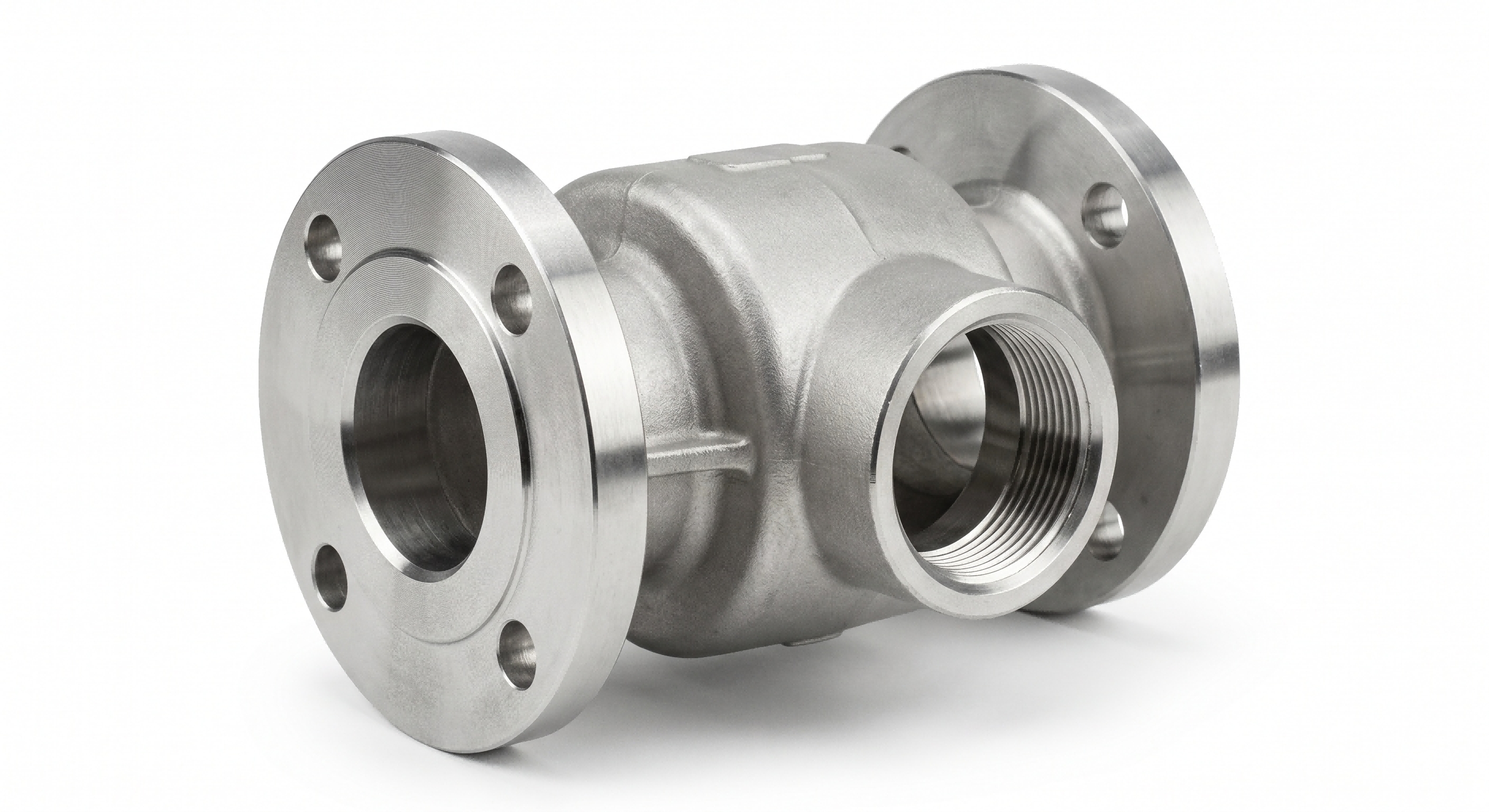
Stainless steel investment cast flow meter body for instrumentation applications

Flow Meter Bodies

Precision cast bodies and related metal parts for flow measurement and fluid monitoring applications.
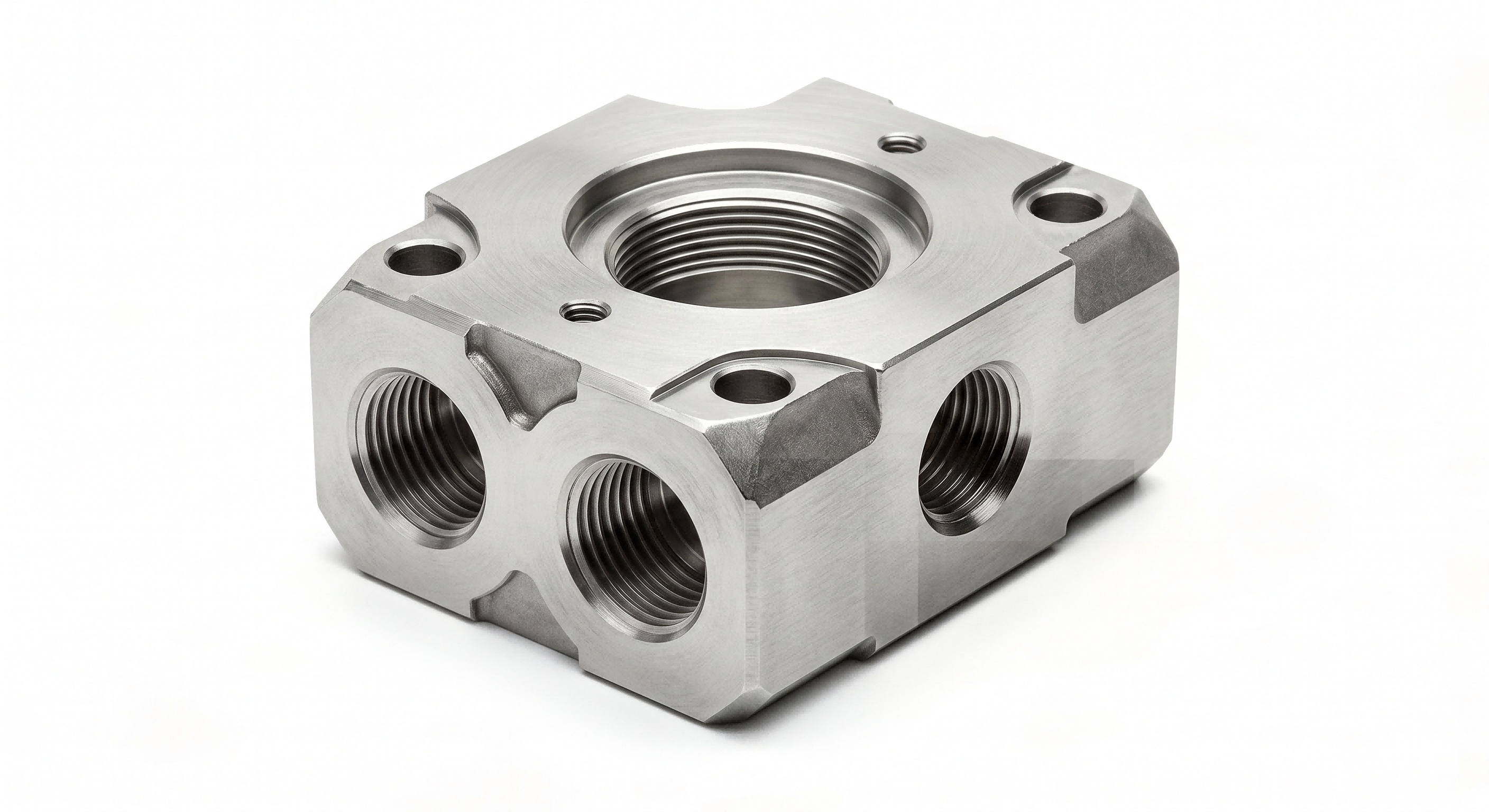
CNC machined investment cast connector block and adapter for instrumentation assemblies
Connector Blocks and Adapters
Casting and machining support for customized connection blocks, threaded adapters, and transition components.
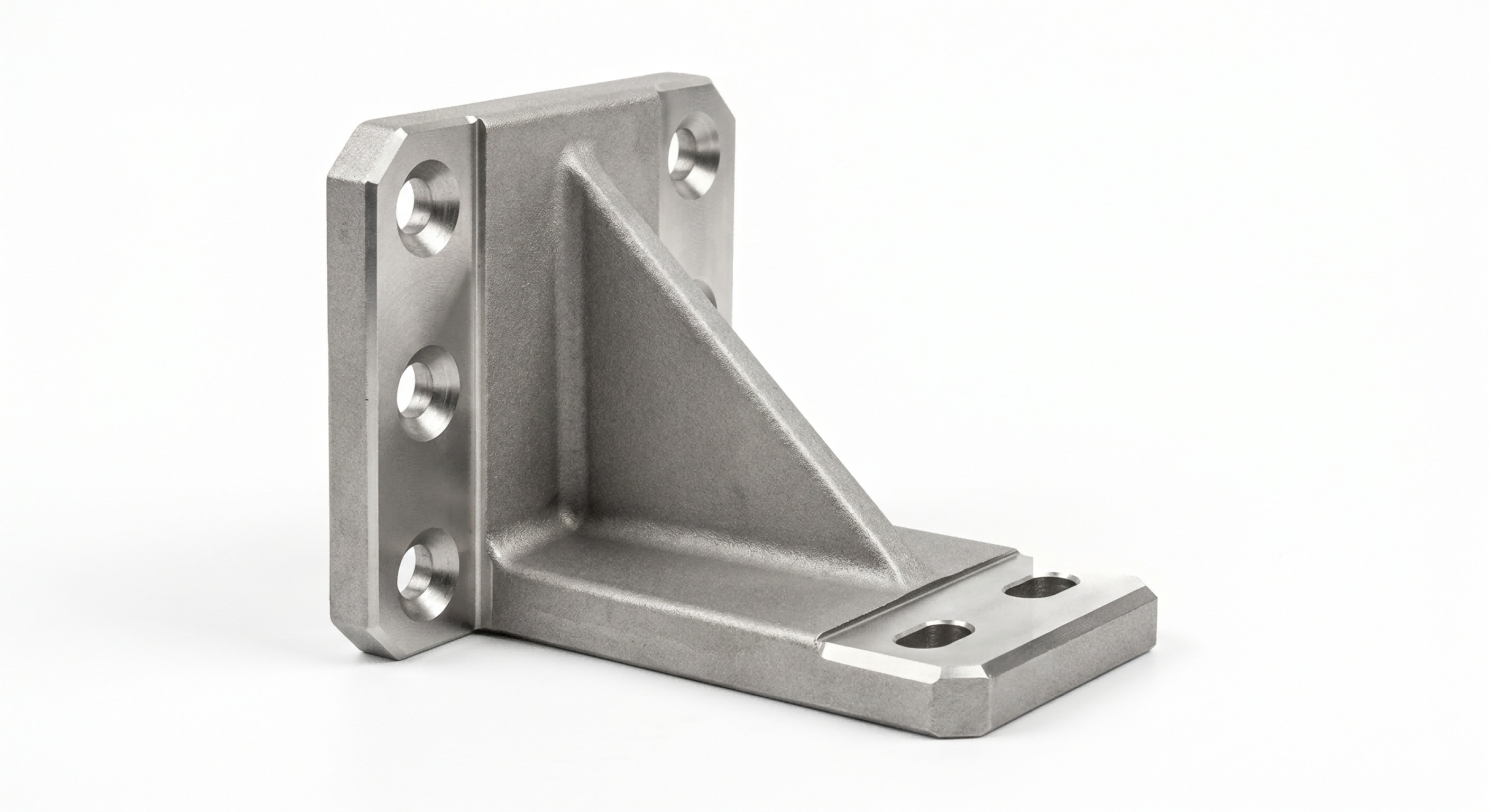
Custom investment cast bracket and support arm for power engineering equipment

Brackets and Support Arms

Strong and dimensionally stable brackets, arms, and mounting parts for power and instrumentation assemblies.
Precision cast metal component for industrial control system applications

Control System Metal Parts

Custom metal components used in control panels, monitoring units, actuator systems, and equipment assemblies.
Why Investment Casting Works Well for Power and Instrumentation Components

Power engineering and instrumentation parts often combine complex shapes, mounting features, sealing areas, threads, thin sections, and machining requirements. Investment casting provides a flexible manufacturing route for producing these customized parts with stable quality and efficient post-processing.
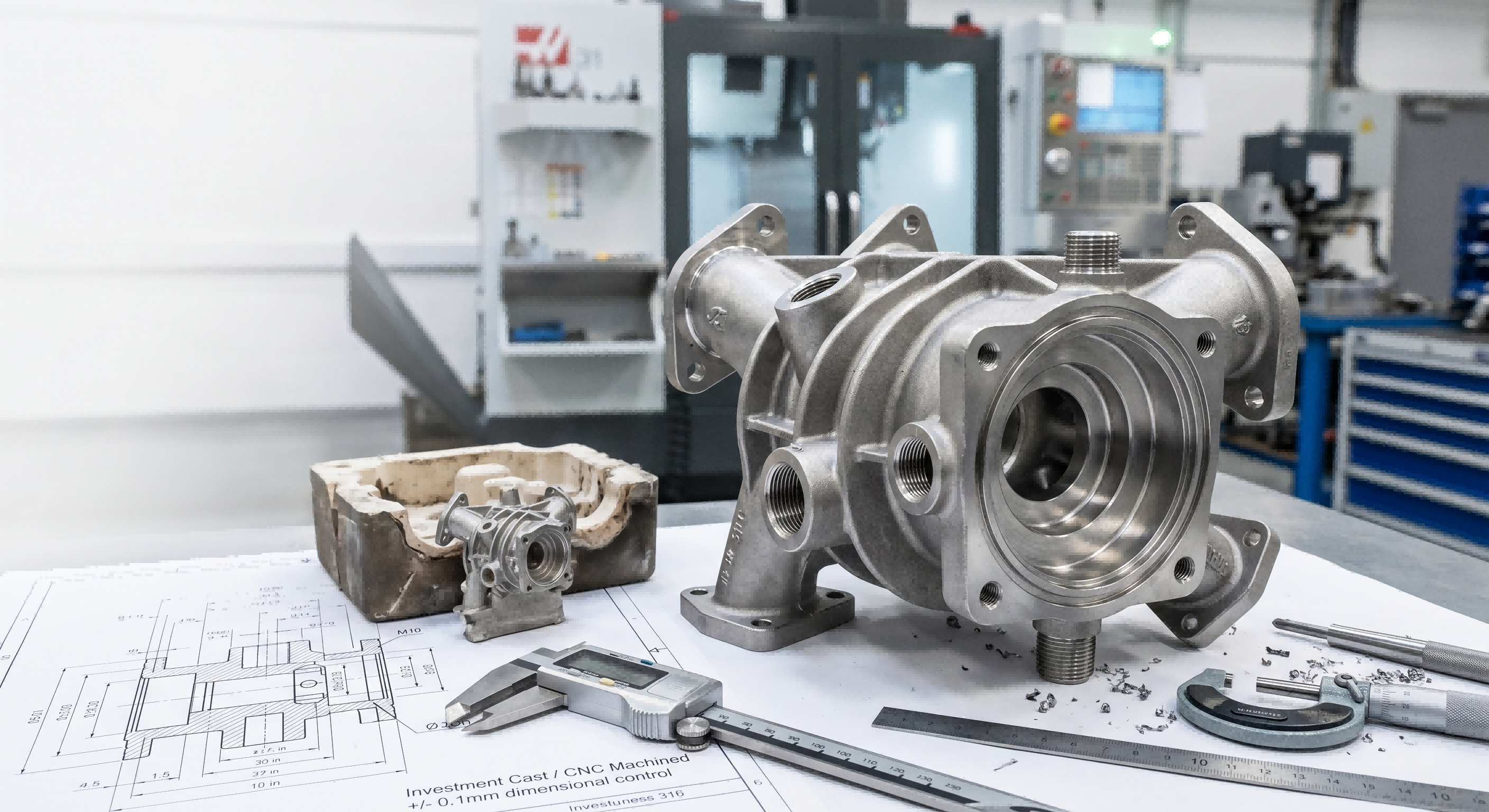
Investment casting advantages for power engineering and instrumentation components
Complex Geometry Capability
Investment casting can produce complex shapes, integrated mounting features, ribs, bosses, and curved surfaces that may be difficult or costly to machine from solid material.
Good Surface Finish
The silica sol investment casting process can achieve a smoother as-cast surface compared with many traditional casting methods, reducing unnecessary surface preparation.
Flexible Material Selection
Different stainless steels, carbon steels, alloy steels, and duplex stainless steels can be evaluated according to strength, corrosion resistance, wear resistance, machining, and service environment requirements.
Reduced Machining Work
Near-net-shape casting helps reduce material waste and machining time, especially for parts with irregular profiles or multiple external features.
Suitable for Custom OEM Projects
Investment casting is suitable for drawing-based production, small to medium batches, and customized parts used in industrial equipment.
Material Options for Power Engineering and Instrumentation Parts

Material selection is important for power engineering and instrumentation components because these parts may need to meet requirements for strength, corrosion resistance, wear resistance, heat resistance, machining accuracy, and long-term service stability. Zeren mainly supports stainless steel, carbon steel, alloy steel, and duplex stainless steel investment casting projects for these applications.

Stainless Steel
Stainless steel is commonly used for instrument housings, adapters, covers, connector parts, and components exposed to moisture, industrial environments, or mild corrosive conditions.
Common material options include 304, 316, 316L, 420, 430, and 17-4PH stainless steel.
Carbon Steel
Carbon steel can be used for brackets, support arms, mounting parts, structural connectors, and general engineering components where strength and cost control are important.
Common material options include WCB, Q235, and 1045 carbon steel.
Alloy Steel
Alloy steel is suitable for parts requiring higher strength, wear resistance, or improved mechanical performance after heat treatment.
Common material options include 4140, 4340, and other project-specific alloy steel grades.
Duplex Stainless Steel
Duplex stainless steel can be considered for components used in more demanding corrosion environments, especially where both strength and corrosion resistance are required.
Common material options include 2205 and 2507 duplex stainless steel.
Final material selection should be confirmed according to the drawing, working environment, mechanical requirements, heat treatment needs, machining requirements, and customer specifications.
Manufacturing Support from Casting to Finished Parts

Zeren supports not only investment casting, but also machining, heat treatment, surface finishing, and inspection. This allows customers to receive more complete components instead of only raw castings.


For instrumentation-related components, we can support both investment casting blanks and CNC-machined finished parts. Common machining areas include sealing faces, threaded holes, flange surfaces, mounting holes, positioning steps, grooves, and other functional areas that affect assembly accuracy or sealing performance.
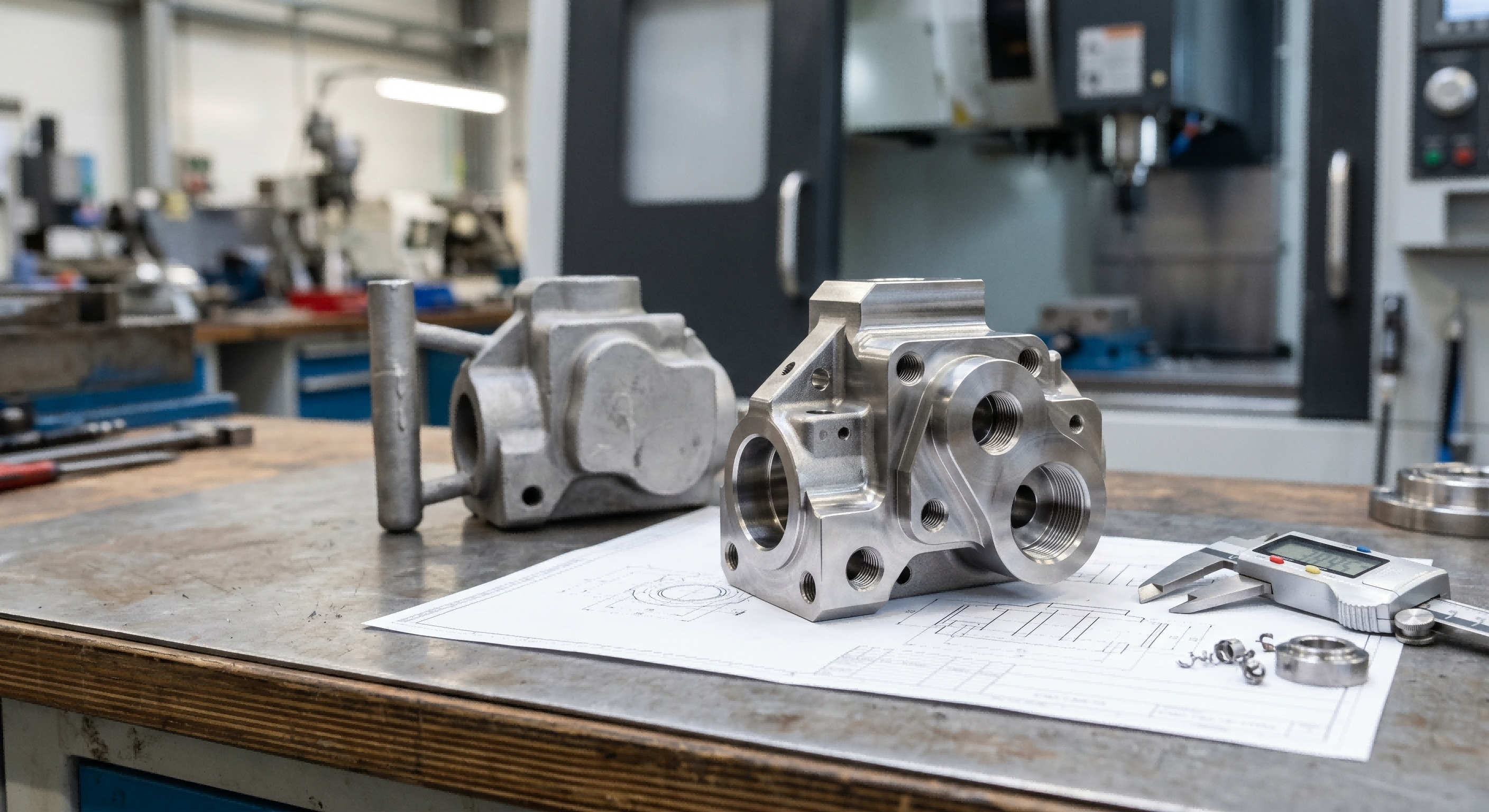
Manufacturing support from investment casting to finished steel components
Drawing Review
We review drawings, tolerances, material requirements, and key functional areas before production.
Mold and Pattern Making
Tooling or 3D printed patterns can be selected depending on quantity, structure, and project stage.
Investment Casting
Silica sol investment casting is used for precision metal components with complex shapes and stable surface quality.
Heat Treatment
Heat treatment can be arranged according to material grade and mechanical property requirements.
CNC Machining
Critical dimensions, threads, sealing surfaces, holes, and assembly areas can be CNC machined after casting.
Surface Finishing
Shot blasting, polishing, passivation, plating, black oxide, powder coating, or anodizing can be selected according to the part and material.
Inspection and Packing
Dimensional inspection, material verification, hardness testing, and protective packaging can be arranged before shipment.

Quality Control for Power Engineering & Instrumentation Casting Projects


For power engineering and instrumentation components, quality control focuses not only on casting appearance, but also on material reliability, machining accuracy, assembly-related dimensions, and functional surfaces. We inspect key areas according to drawings, samples, or customer-defined requirements before shipment.
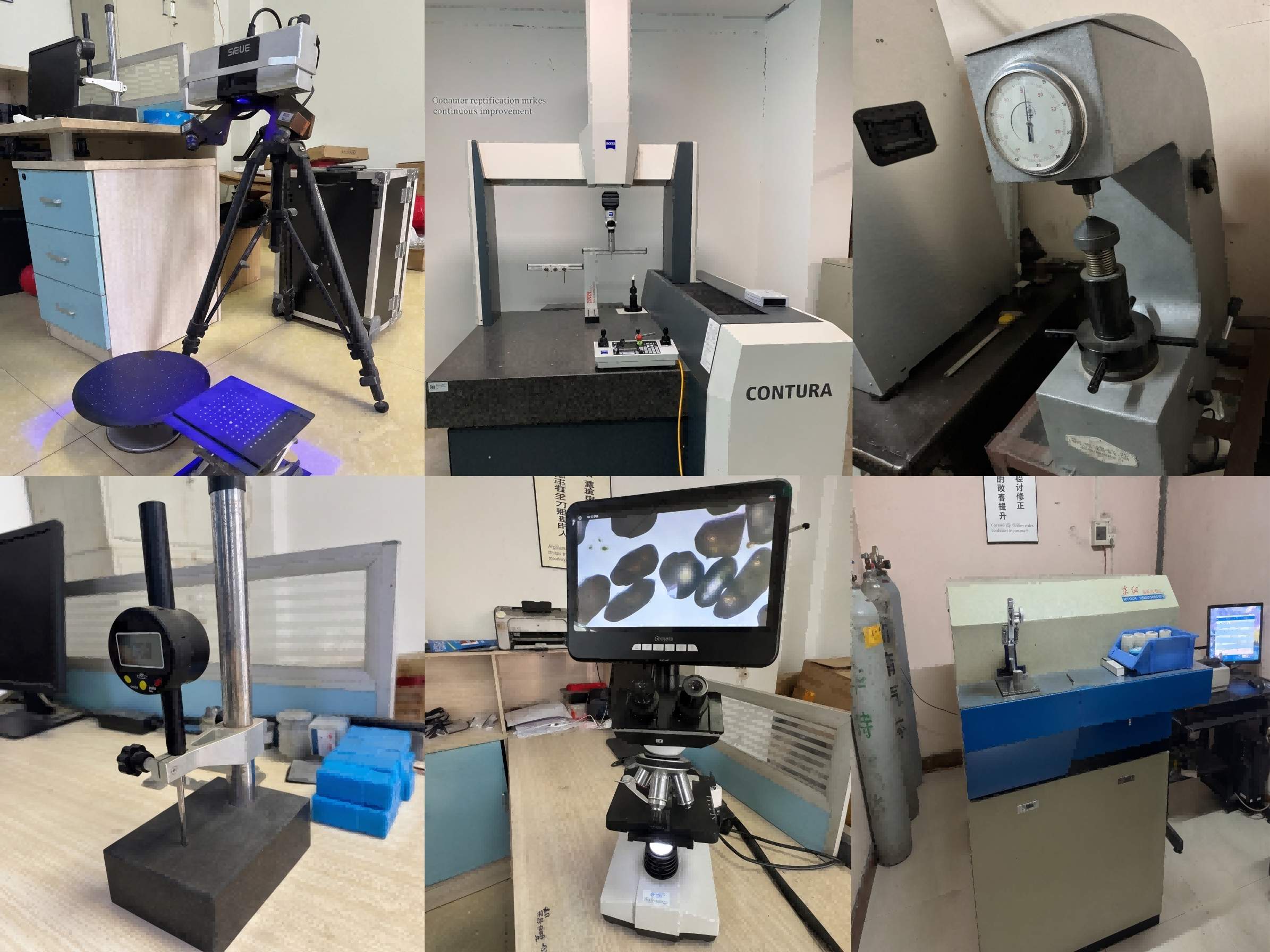
Quality inspection for power engineering and instrumentation investment casting components
Dimensional Inspection
We check critical dimensions such as machined holes, mounting hole positions, threaded areas, flange surfaces, sealing faces, grooves, and other assembly-related features. For parts requiring higher accuracy, CMM inspection or 3D measurement can be arranged.
Material Verification
Material grades can be verified by chemical composition testing. Common materials for these projects include stainless steel, carbon steel, alloy steel, and duplex stainless steel. Material reports can be provided when required by the customer.
Machining Quality Inspection
For CNC-machined casting parts, we inspect key machined surfaces, hole positions, threads, flatness, and fit-related areas. This is especially important for instrument housings, connector bodies, mounting bases, and components with sealing or positioning requirements.
Surface and Visual Inspection
We check casting surfaces, machined areas, edges, burrs, surface defects, and finishing quality before shipment. Surface treatment such as polishing, passivation, plating, black oxide, or protective packaging can also be inspected according to project requirements.
Inspection Reports and Project Records
According to the project requirements, we can provide dimensional inspection reports, material reports, hardness test reports, photos, and other inspection records to support customer approval and repeat production.
Information Needed for Quotation

To provide an accurate quotation, please share drawings, material requirements, quantity, and key working conditions when available.


Drawings or Samples
2D drawings, 3D models, or physical samples help us evaluate casting feasibility, machining areas, tolerances, and tooling requirements.
Material Requirements
Please specify the required material grade or working environment, such as corrosion resistance, strength, wear resistance, or heat resistance.
Order Quantity
Sample quantity, trial order quantity, and expected batch quantity help us choose a suitable production method and quotation basis.
Critical Dimensions
Please mark important tolerances, threaded holes, sealing surfaces, mounting holes, flatness, and other functional areas.
Surface Finish
Please tell us if the part requires polishing, shot blasting, passivation, plating, black oxide, coating, or other finishing processes.
Inspection Requirements
Material reports, dimensional reports, hardness testing, and other inspection documents can be arranged according to project needs.

FAQ: Frequently Asked Questions About Power Engineering & Instrumentation Casting Components

Q1: Can you manufacture parts based on drawings?


Yes. We can manufacture customized power engineering and instrumentation components based on 2D drawings, 3D models, or samples.

Q2: Can you provide both casting and CNC machining?


Yes. We provide investment casting and CNC machining support for functional surfaces, threads, holes, sealing areas, and assembly dimensions.

Q3: What materials are suitable for instrumentation components?


Common options include stainless steel, carbon steel, alloy steel, duplex stainless steel, aluminum alloy, and copper alloy. The final material should be selected according to the working environment and customer requirements.

Q4: Can you make small batch customized parts?


Yes. Investment casting is suitable for customized small and medium batch production, especially for parts with complex shapes or multiple machining features.

Q5: Can you provide inspection reports?


Yes. We can provide dimensional reports, material verification, hardness testing, and other inspection documents according to project requirements.


Need Custom Cast Parts for Power Engineering or Instrumentation Projects?
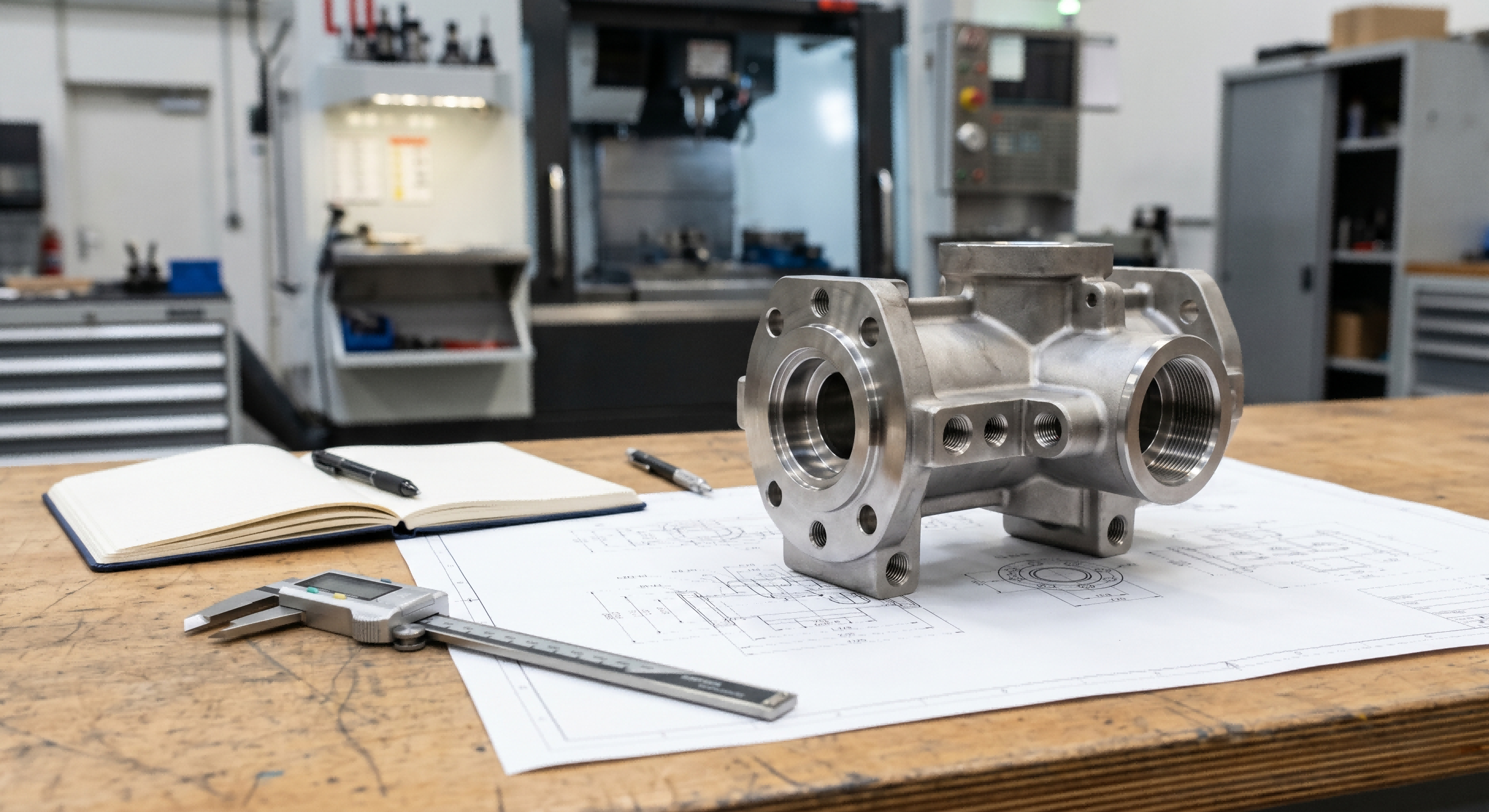
Send us your drawings, material requirements, quantity, and key working conditions. Our team can help evaluate the casting process, machining requirements, surface finishing options, and inspection needs for your project.
Custom steel investment casting parts for power engineering and instrumentation projects