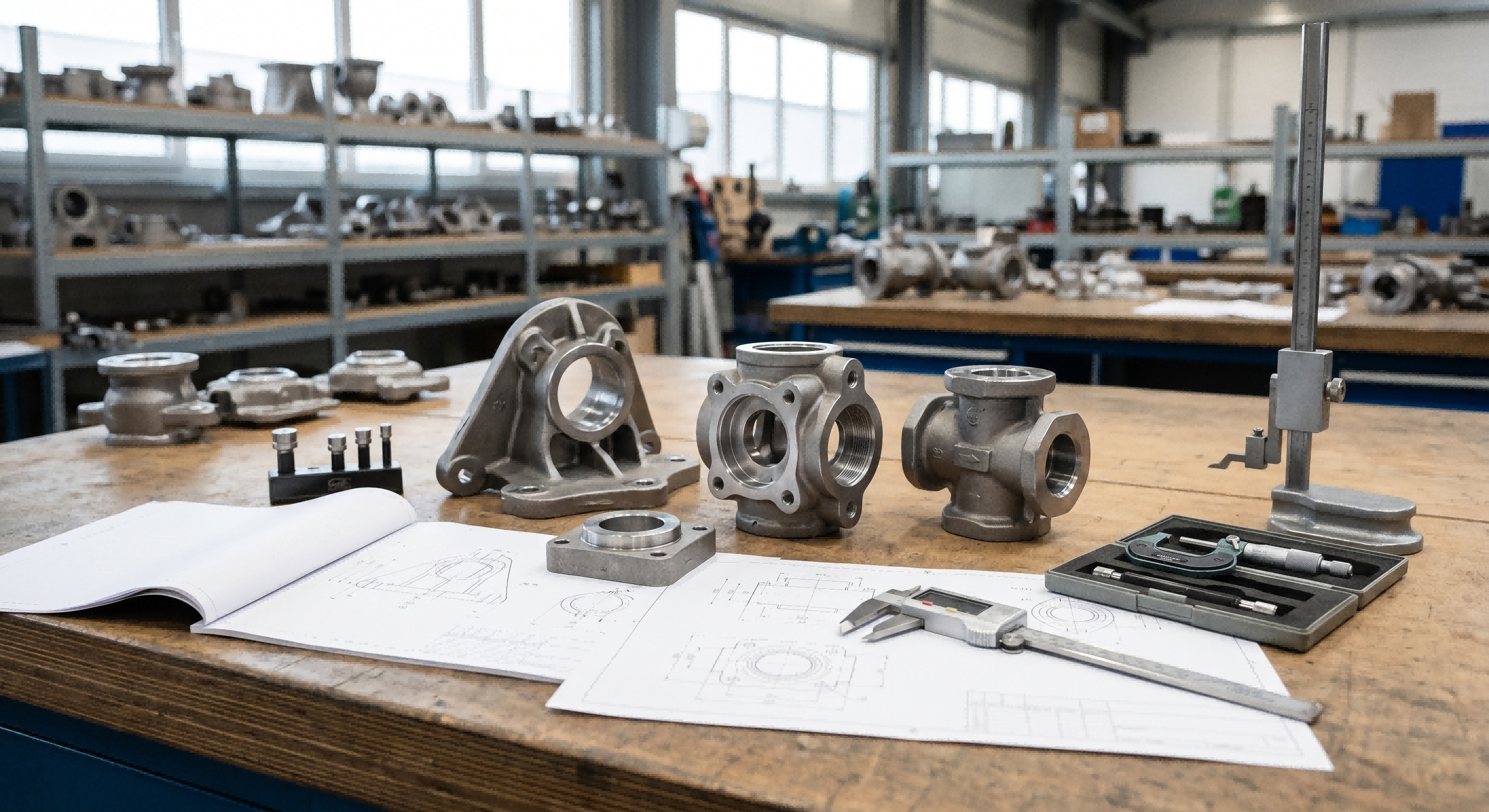
Alloy Steel Investment Casting for High-Strength Custom Parts
Custom lost wax alloy steel castings with CNC machining, heat treatment, and surface finishing support for demanding industrial applications.
Alloy steel is often selected when cast components require higher strength, toughness, wear resistance, or heat treatment response than general carbon steel. Zeren supports custom alloy steel investment casting for machinery, transportation, tooling, power engineering, and other demanding equipment applications.
What Is Alloy Steel Investment Casting?
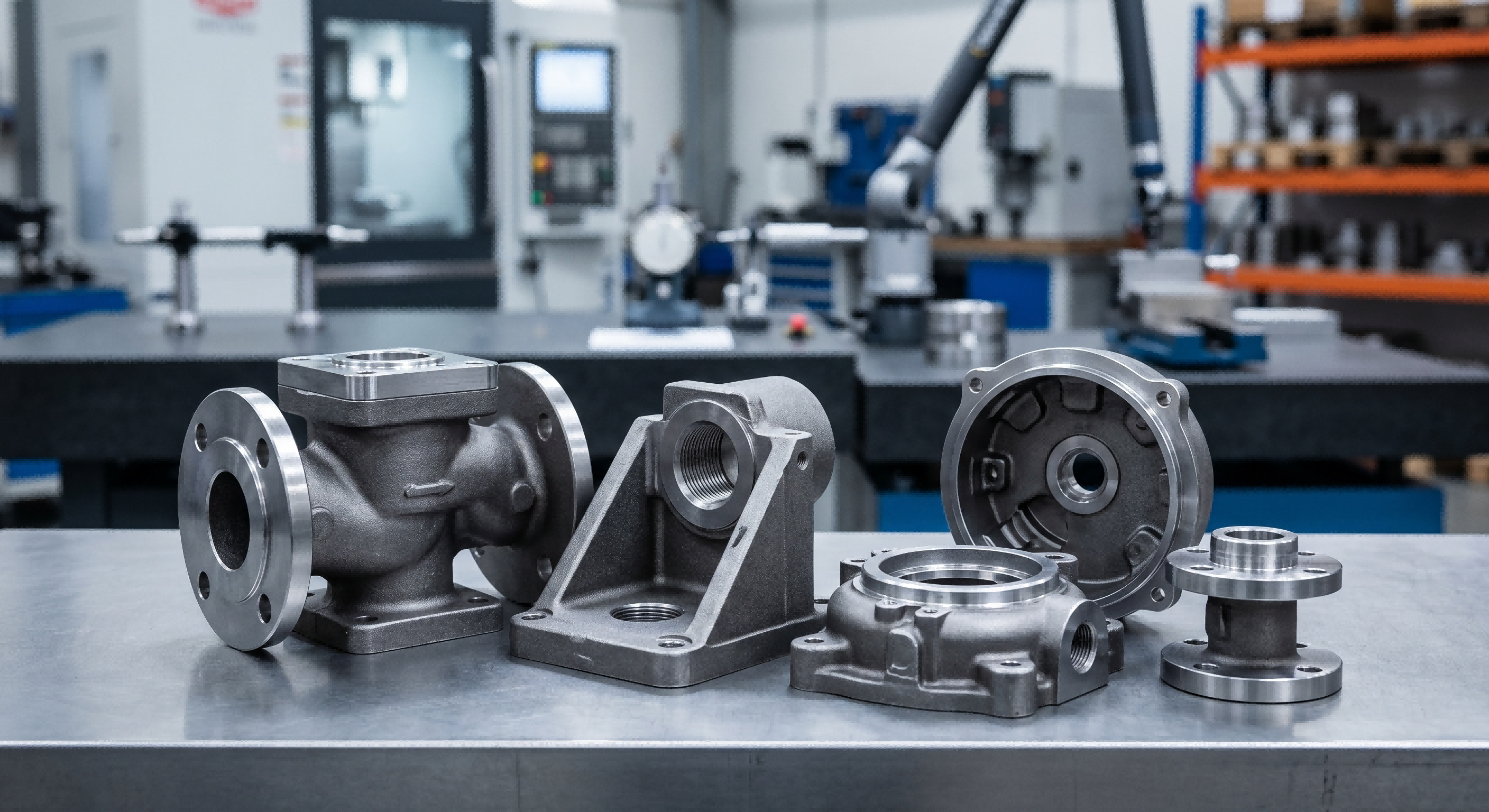
Alloy steel investment casting is a precision lost wax casting process used to produce complex steel components with improved mechanical properties. By adding alloying elements such as chromium, molybdenum, nickel, manganese, or vanadium, alloy steel can achieve better strength, hardenability, toughness, and wear resistance for functional cast parts.
Alloy steel investment casting is a lost wax casting process used to produce complex steel components with enhanced mechanical properties. Compared with general carbon steel, alloy steel contains additional alloying elements such as chromium, nickel, molybdenum, manganese, or vanadium to improve strength, toughness, hardenability, wear resistance, or service durability.
For custom cast parts, alloy steel is often considered when the component must withstand impact, load, wear, fatigue, or heat treatment requirements. With investment casting, alloy steel parts can be produced close to the final shape, reducing material waste and machining workload for complex geometries.
Common Alloy Steel Materials We Can Evaluate for Casting Projects
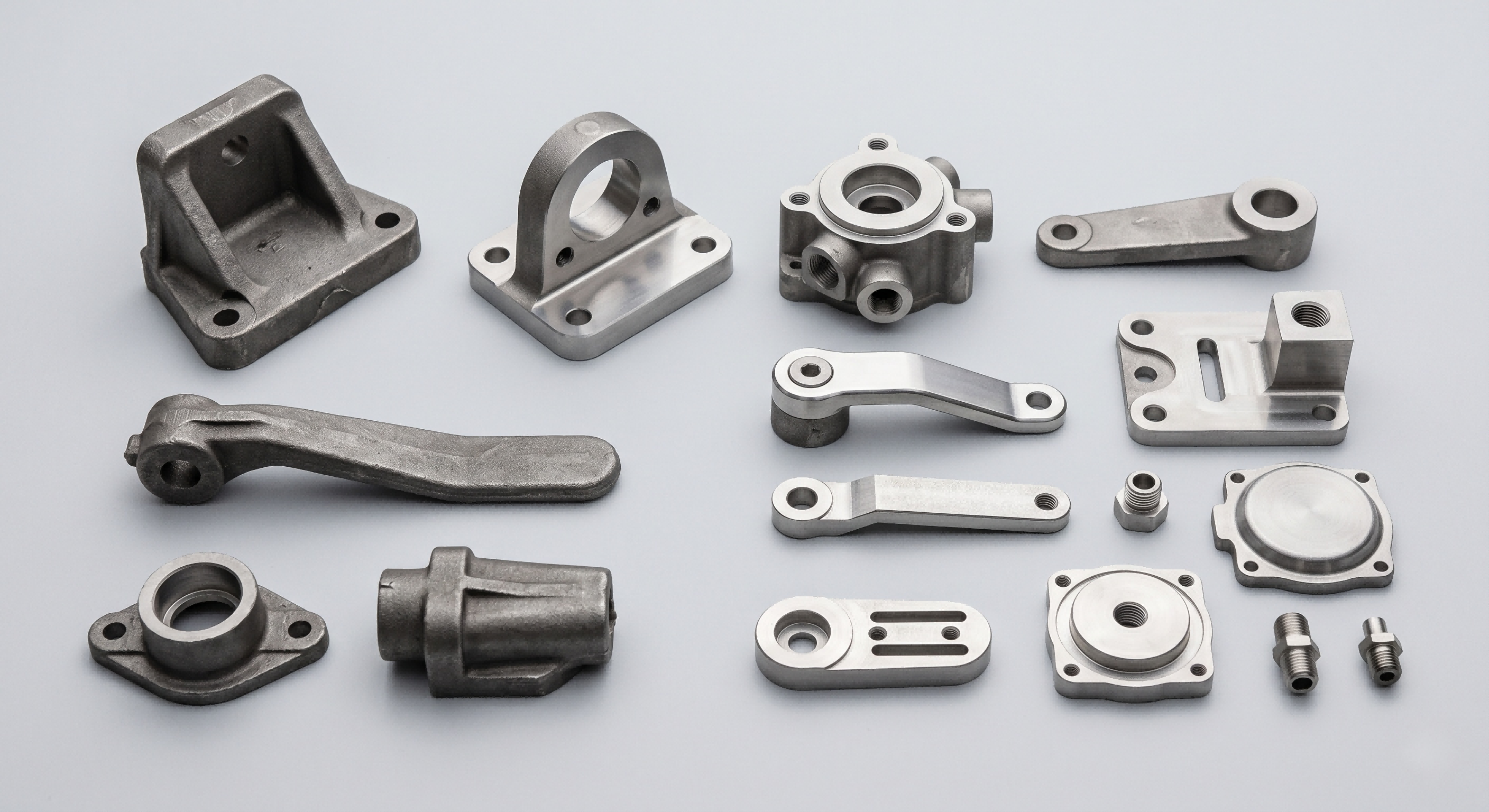
Different alloy steel grades offer different balances of strength, toughness, machinability, wear resistance, and heat treatment response. For custom casting projects, the final material selection should be reviewed together with the drawing, working condition, required hardness, machining allowance, and inspection standard.
| Material Grade | Typical Features | Common Application Direction |
| 4140 / 42CrMo | Good strength, toughness, and heat treatment response | Machinery parts, brackets, shafts, tooling components |
| 4340 | Higher strength and toughness after heat treatment | Heavy-duty parts, impact-loaded components, structural parts |
| 5160 | Good toughness and spring performance | Tool parts, wear parts, impact-resistant components |
| 8620 / 20CrNiMo | Suitable for carburizing and wear-resistant surface requirements | Gear-related parts, wear surfaces, mechanical transmission parts |
| Custom Alloy Steel Grades | Can be reviewed based on drawing and standard | OEM cast parts requiring specific mechanical performance |
Why Investment Casting Works Well for Alloy Steel Components
Investment casting is a practical manufacturing method for alloy steel parts with complex shapes, functional surfaces, and demanding mechanical requirements. It helps reduce excessive machining from solid material while allowing the component to be heat treated and finished according to the final application.
Complex Shape Capability
Reduced Machining Allowance
Heat Treatment Flexibility
Suitable for Functional Parts
Representative Alloy Steel Cast Components
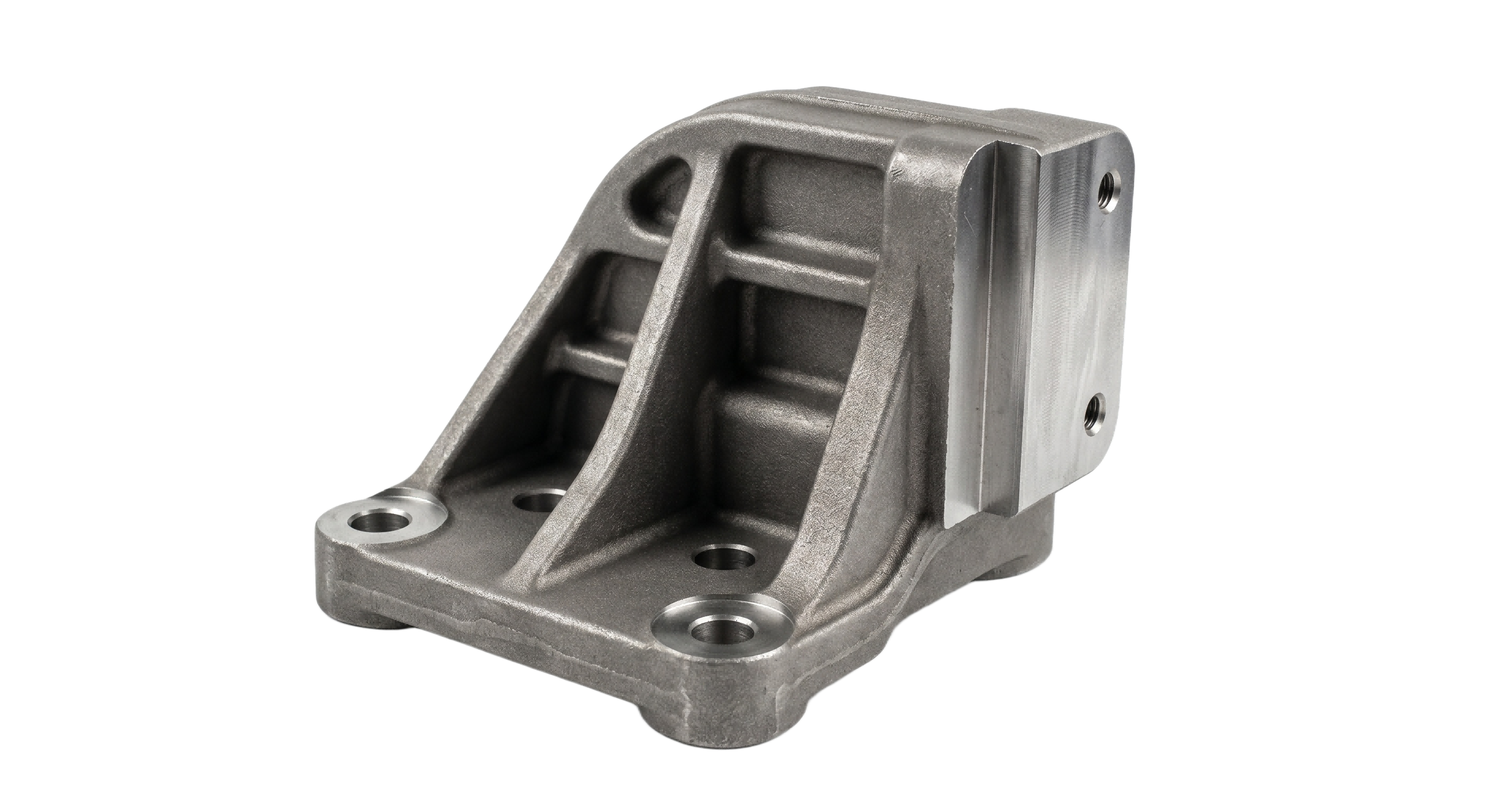
Alloy steel castings are commonly used for mechanical parts that need to withstand load, impact, friction, or repeated service stress. Depending on the grade and heat treatment condition, alloy steel can be suitable for machinery parts, tooling components, transportation parts, and custom CNC finished castings.
Machinery BracketsHousings
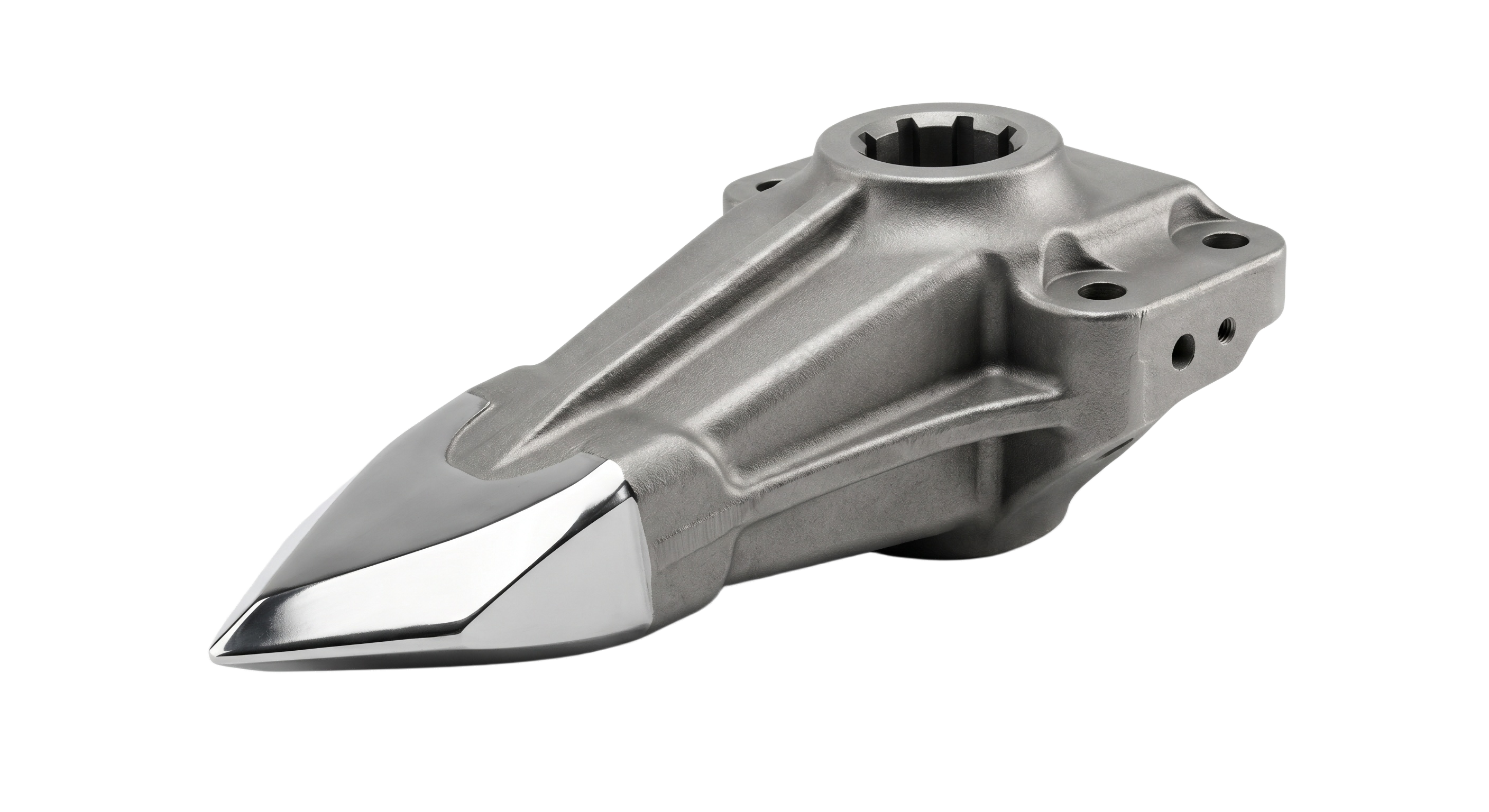
Tool / Axe / Hardware Parts
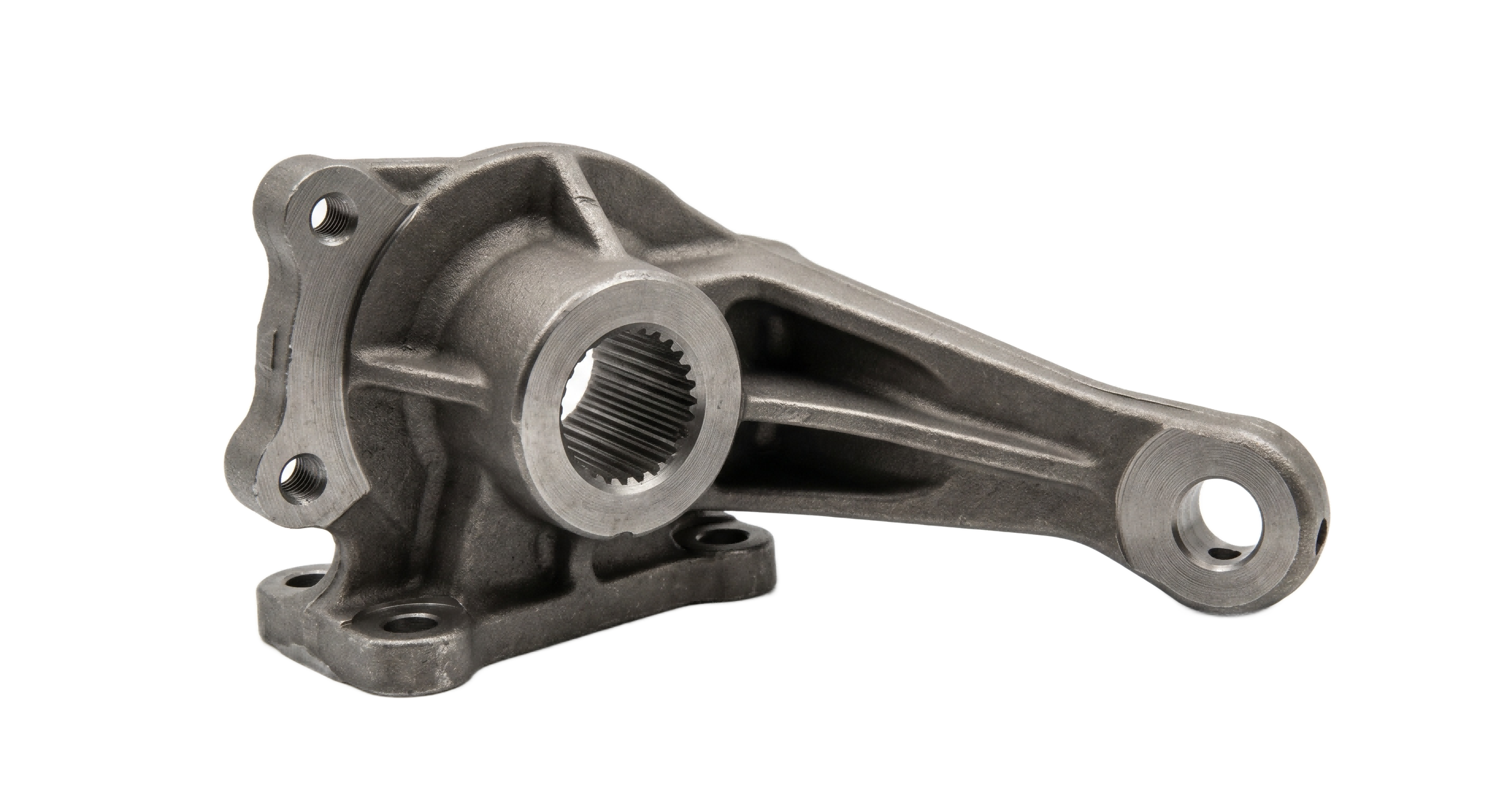
Gear / Transmission Parts
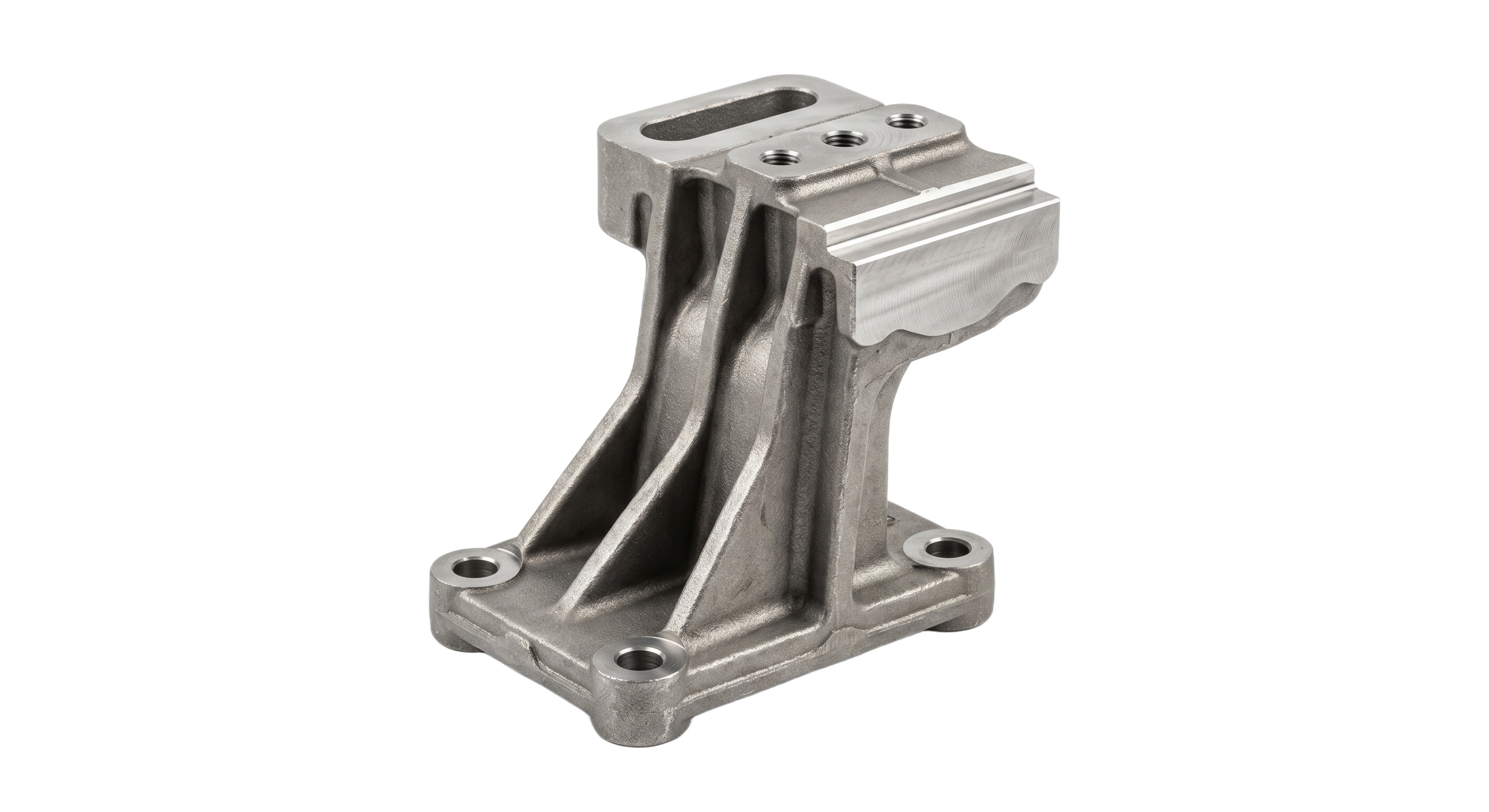
Transportation Components
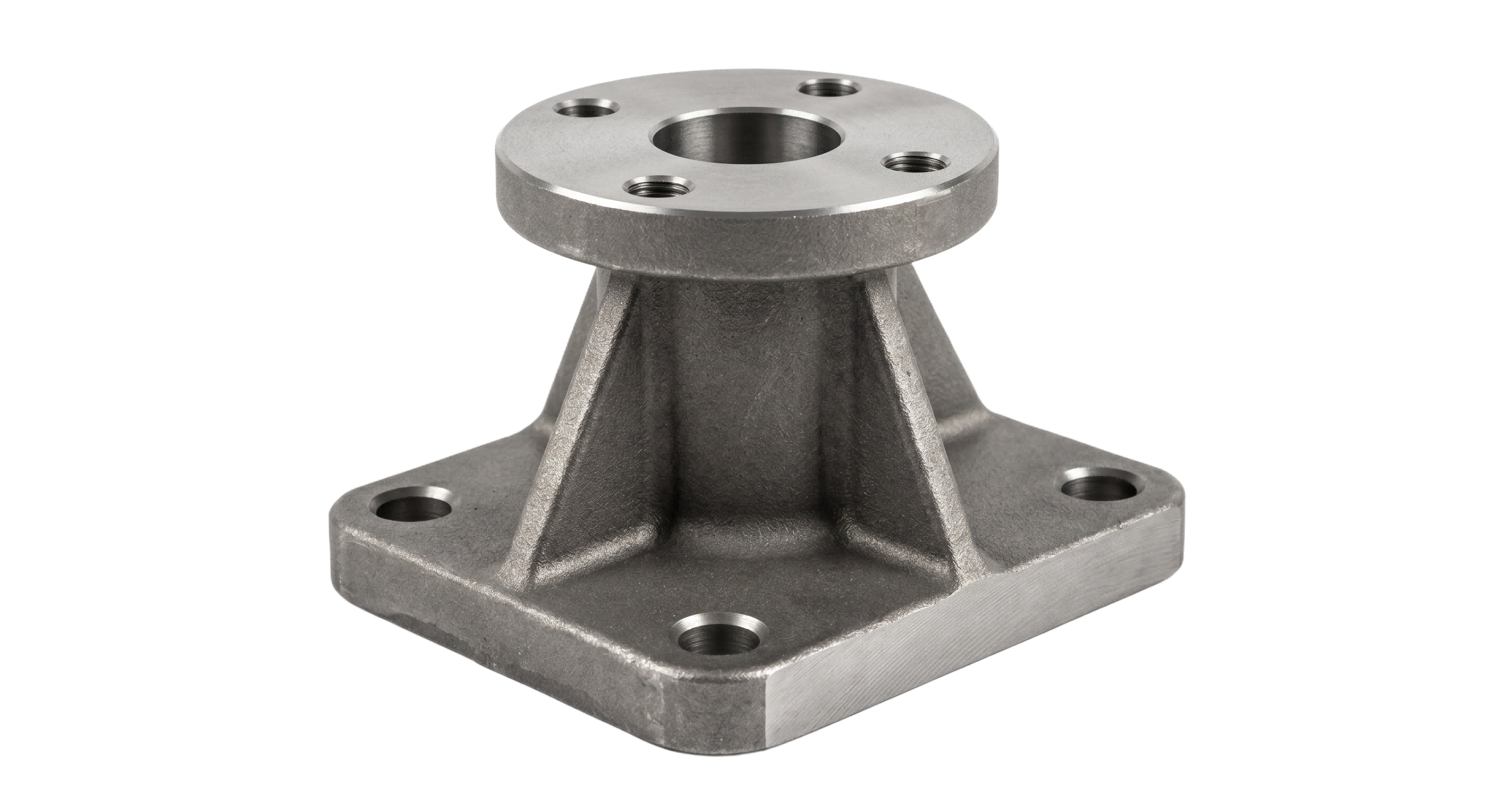
Pump / Valve / Engineering Parts
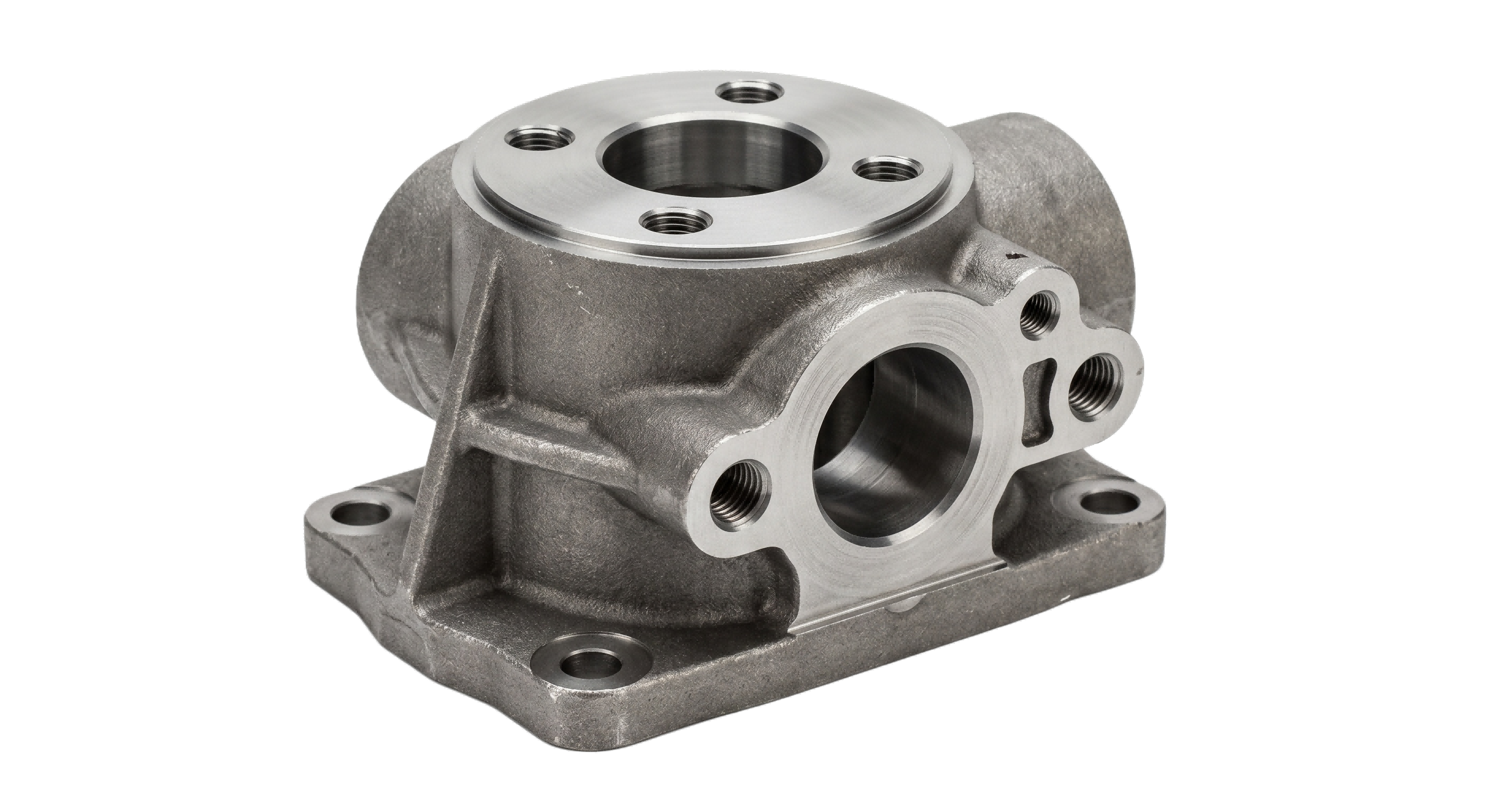
Custom CNC Finished Parts
Manufacturing Support from Casting to Finished Alloy Steel Parts
For alloy steel components, casting is only one part of the complete manufacturing process. Zeren supports customers from drawing review and material evaluation to casting, CNC machining, heat treatment, surface finishing, inspection, and protective packaging, helping custom parts move from design to finished components.
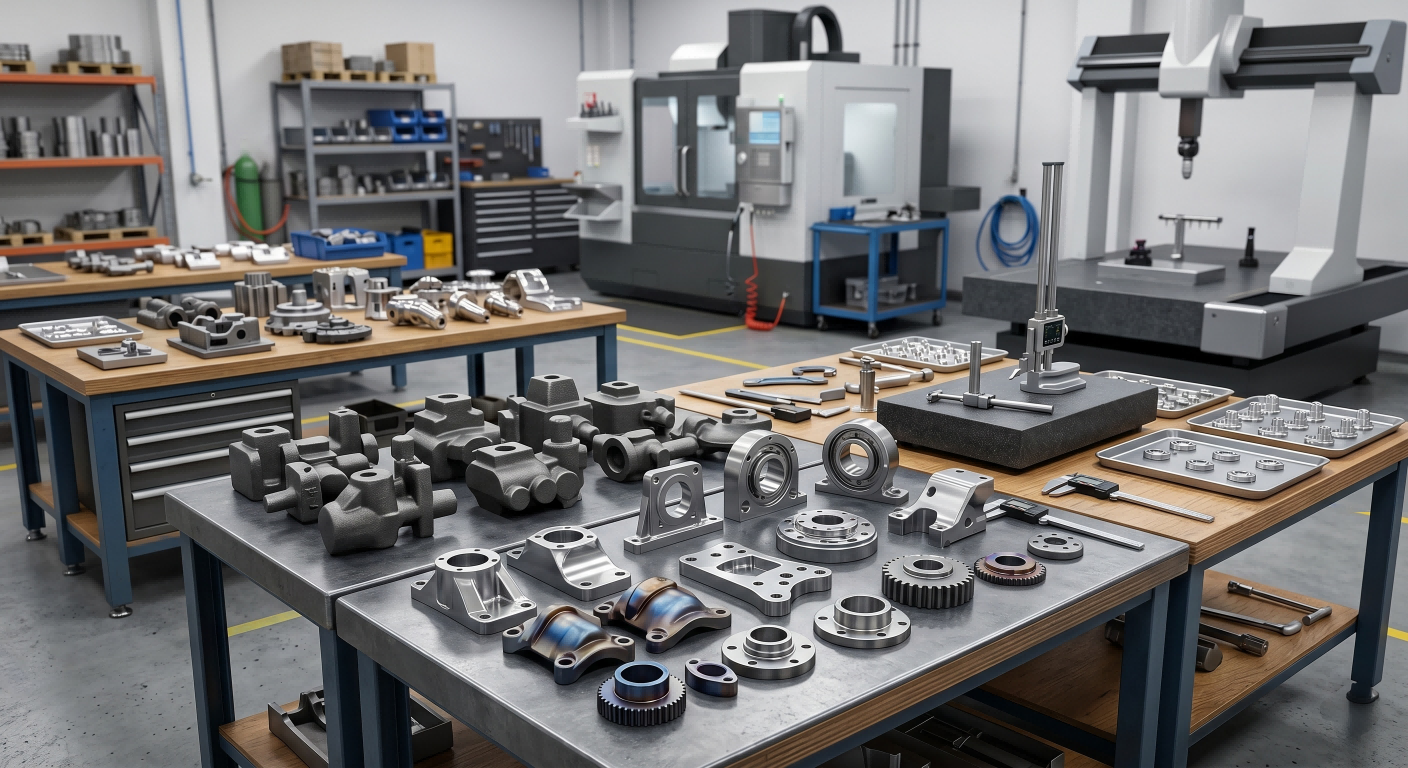
Drawing and Material Review
Tooling or Pattern Preparation
Lost Wax Investment Casting
CNC Machining
Heat Treatment
Surface Finishing and Packaging
Heat Treatment Options for Alloy Steel Investment Castings
Heat treatment is one of the key reasons why alloy steel is selected for many custom cast parts. According to the material grade and performance requirement, heat treatment can be used to improve hardness, strength, toughness, wear resistance, dimensional stability, or machinability.
| Heat Treatment Process | Purpose |
| Normalizing | Improve structure uniformity and mechanical stability |
| Quenching & Tempering | Improve strength, hardness, and toughness balance |
| Annealing | Improve machinability and reduce internal stress |
| Carburizing | Improve surface wear resistance while maintaining core toughness |
| Nitriding | Improve surface hardness and wear resistance for selected materials |
| Stress Relieving | Reduce stress after casting or machining |
Quality Control for Alloy Steel Castings
Alloy steel cast parts often have specific requirements for material composition, hardness, heat treatment condition, machining accuracy, and surface quality. Our quality control process focuses on both casting quality and final functional requirements to help ensure that the parts meet the agreed project specifications.
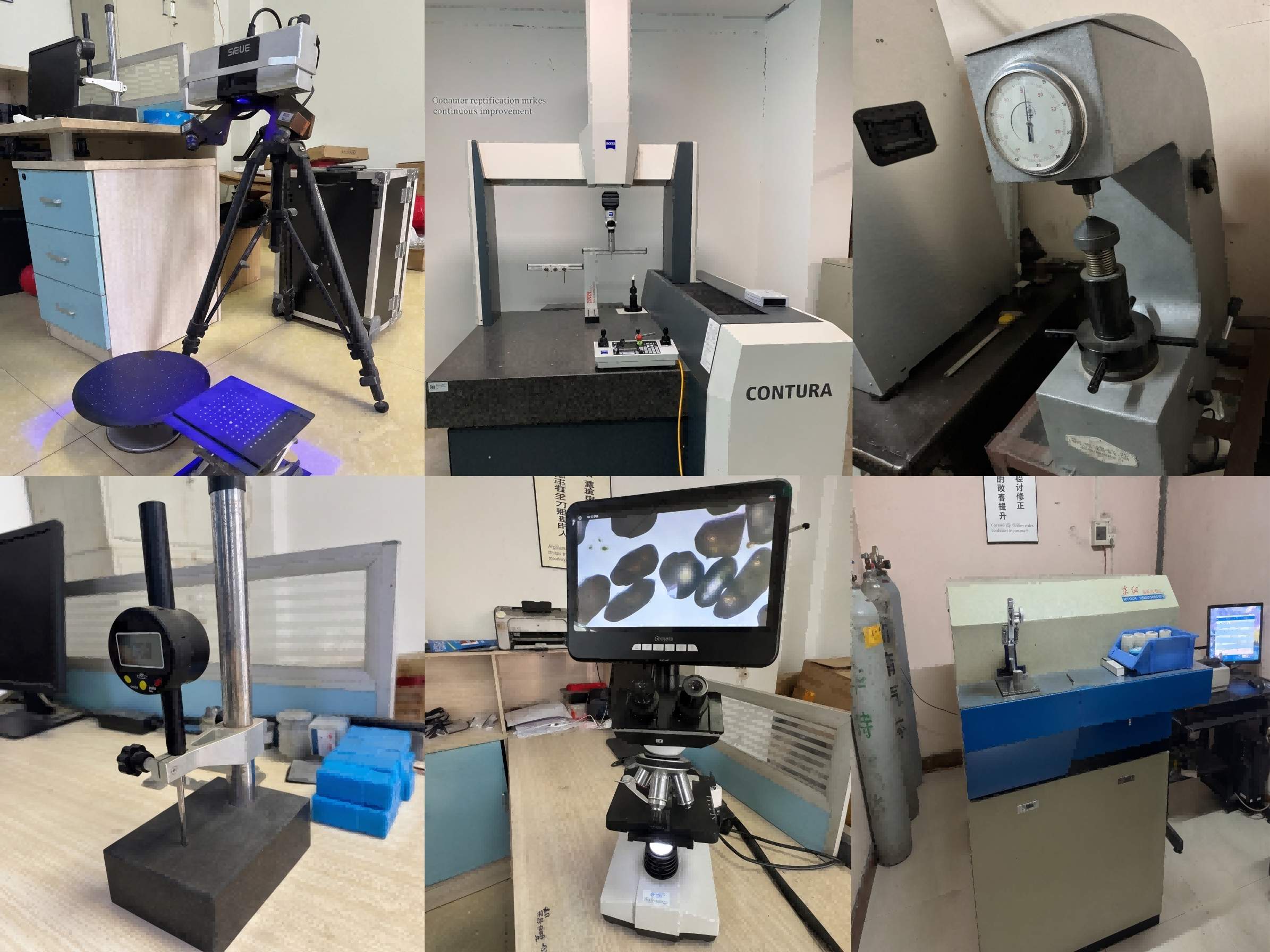
Material Verification
Dimensional Inspection
Hardness Testing
Surface and Visual Inspection
Inspection Reports
Typical Applications of Alloy Steel Investment Castings
Alloy steel investment castings are used in applications where ordinary carbon steel may not provide enough strength, toughness, wear resistance, or heat treatment response. These parts are often found in industrial machinery, transportation equipment, tools, engineering equipment, and selected pump or valve-related applications.
Industrial Machinery
Transportation Equipment
Tools and Hardware
Power and Engineering Equipment
Pump, Valve and Fluid Equipment
Project Information Needed for Alloy Steel Casting Quotation
To evaluate alloy steel investment casting projects accurately, please provide the following information:
2D drawing and 3D file
Material grade or standard
Quantity
Heat treatment requirement
Machining requirement
Surface finishing requirement
Working condition
FAQ About Alloy Steel Investment Casting
Q1. What alloy steel grades can be used for investment casting?
We can evaluate different alloy steel grades according to the drawing, standard, order quantity, and performance requirements. Common project materials may include 4140, 4340, 5160, 8620, and other custom alloy steel grades.
Q2. Can alloy steel castings be heat treated?
Q3. Can you provide CNC machining after casting?
Q4. Is alloy steel corrosion resistant?
Q5. What information is needed for quotation?
Need Custom Alloy Steel Investment Castings?